
Main Courses
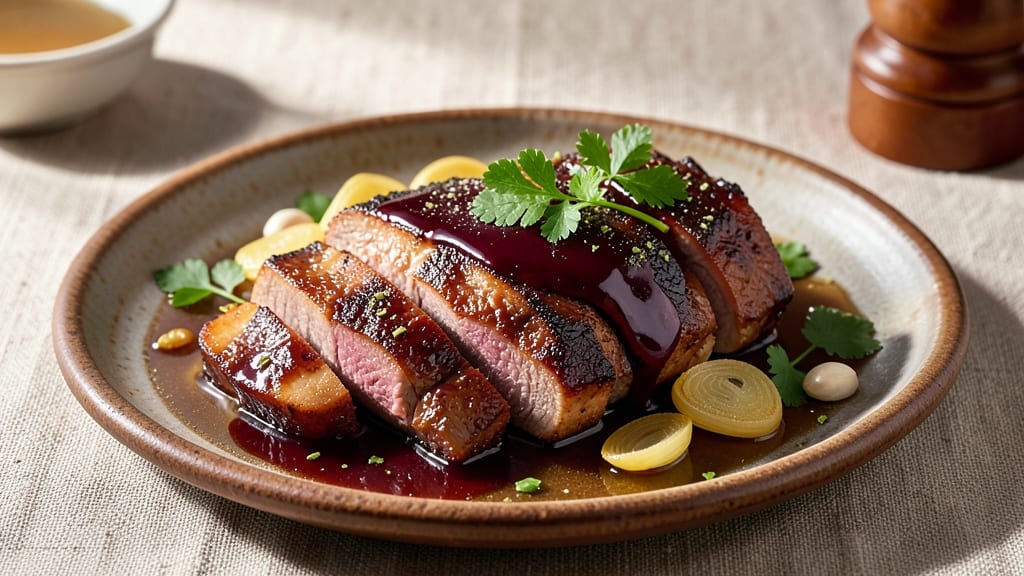
This braised pork medallions recipe transforms tough pork into melt-in-your-mouth perfection with a deep, rich sauce that clings to every tender bite. 🔥 After years of perfecting this French-inspired technique at The Smoky Pig, I've developed a method that delivers restaurant-quality results in your own kitchen—no fancy equipment required.
The secret lies in the sear, which creates a flavorful crust on the medallions before they're submerged in a slow-cooked liquid of red wine, aromatics, and herbs. This method tenderizes even the toughest cuts, resulting in meat that falls apart with just a fork.
The braising liquid reduces into a velvety sauce that's packed with depth from thyme, bay leaves, and a touch of mustard.
By the time you're done, you'll have succulent pork medallions swimming in a sauce so rich it deserves its own bowl. The texture is what makes this dish unforgettable—crisp edges on the medallions contrast perfectly with their tender centers, while the sauce coats everything in a luxurious, savory embrace.
This is the kind of meal that turns weeknight dinners into special occasions.
Serve with crusty bread to soak up every last drop of that incredible sauce, or pair it with roasted vegetables for a complete meal. The technique is straightforward, but the results are anything but—this is braising done right.
Let's get started with the recipe that's become a staple in my kitchen and a crowd-pleaser at every table.
Ingredients for braised pork medallions
French technique meets home kitchen—these ingredients deliver melt-in-your-mouth pork with velvety sauce.
| Ingredient | Amount | Notes |
|---|---|---|
| Pork Tenderloin 🐖 | 1 ½ lb | Center-cut, trimmed of fat |
| Extra-Virgin Olive Oil 🫒 | ½ cup | For searing medallions |
| Red Wine 🍷 | 1 cup | Bold dry variety like Cabernet |
| Beef Broth 🍲 | 1 cup | Low-sodium preferred |
| Shallots 🧅 | 2 whole | Minced, about 0.25 cup |
| Garlic Cloves 🧄 | 4 cloves | Minced, about 1 tbsp |
| Fresh Thyme 🌿 | 2 sprigs | Or 1 tsp dried thyme |
| Fresh Rosemary 🌿 | 1 sprig | For aromatic depth |
| Bay Leaves 🍃 | 2 whole | Standard dried leaves |
| Dijon Mustard 🌶️ | 1 tbsp | For sauce complexity |
| Tomato Paste 🍅 | 1 tbsp | Smooth, not chunky |
| All-Purpose Flour 🌾 | 1 tbsp | For sauce thickening |
| Salt 🧂 | 1 ½ tsp | Diamond Crystal preferred |
| Black Peppercorns 🌶️ | ½ tsp | Freshly cracked |
| Crusty Baguette 🥖 | 1 whole | For serving, optional |
The pork tenderloin is non-negotiable—look for center-cut with even thickness. Whole Foods or local butchers often carry the highest quality, but any reputable grocery store's pre-trimmed option works. For the red wine, bold dry varieties like Cabernet Sauvignon elevate the sauce—avoid sweet wines. Shallots add subtle sweetness; if unavailable, substitute with 3 minced yellow onions (they're more pungent). Fresh thyme and rosemary should smell vibrant—wilted sprigs indicate age. Bay leaves are standard, but California brand is most reliable for consistent quality.
No red wine? Substitute with additional beef broth (use 1.5 cups total). Fresh herbs can be swapped: dried thyme at one-third amount works, but texture differs. For mustard, Dijon is essential—it balances the richness. The tomato paste can be omitted if you prefer, but it adds umami depth. If your flour is low-protein, like cake flour, increase to 1.5 tbsp for proper thickening. The crusty baguette should be day-old for optimal texture—fresh bread gets soggy from the sauce.
Pork medallions keep 2 days refrigerated in their braising liquid. For longer storage, freeze the sauce separately—it reheats beautifully. The baguette? Toast slices before serving to maintain crispness. This dish tastes even better the next day as flavors meld. Portion into individual ramekins for elegant presentation, or serve family-style with extra sauce on the side.
Why You'll Love This Recipe
- Same recipe, different vibes: toss it over polenta for a cozy Tuesday or plate it with crusty bread and greens for guests. The medallions hold up perfectly, so I never stress about timing.
- Minimal Chopping Required: The only prep is slicing the pork into medallions and dicing shallots—no julienne, no brunoise. I swear, I’ve made this on nights when I was too tired to even measure spices.
- Rich Without Effort: That red wine and beef broth combo does all the heavy lifting—deep, savory flavor with almost no work. The pork stays juicy while the sauce caramelizes into something dangerously addictive.
- Weeknight to Dinner Party: Same recipe, different vibes: toss it over polenta for a cozy Tuesday or plate it with crusty bread and greens for guests. The medallions hold up perfectly, so I never stress about timing.
Step-by-step instructions for braised pork medallions
Perfectly tender pork with a rich, velvety sauce—this method delivers restaurant-quality results.
🔥 Step 1: Sear the Pork Medallions for Maximum Flavor
Slice the 1.5 lb pork tenderloin into ½-inch thick medallions and pat them completely dry with paper towels. Heat 0.25 cup of the extra-virgin olive oil in a heavy Dutch oven over medium-high heat until shimmering. Working in batches, add the medallions and sear for 2-3 minutes per side until deeply golden brown. This creates the Maillard reaction that builds flavor.
I press down gently on the medallions during the first minute—this prevents them from curling and ensures even contact with the pan. Once browned, transfer them to a plate and set aside. If the oil isn't hot enough, the pork will steam instead of sear. You want to see a crisp, golden crust form before moving them.
🍳 Step 2: Build the Aromatic Base for Deep Flavor
Reduce heat to medium and add the remaining 0.25 cup extra-virgin olive oil to the Dutch oven. Add the minced 2 whole shallots and cook for 3-4 minutes until softened and translucent. Stir in the minced 4 cloves garlic, 2 sprigs fresh thyme, 1 sprig fresh rosemary, and 2 whole bay leaves, cooking for 1 minute until fragrant—this is where the foundation of your sauce begins.
Next, add the 1 tbsp tomato paste and cook for 1 minute to deepen the color. Here's where it gets interesting: stir in the 1 tbsp Dijon mustard and let it bloom for 30 seconds. This adds complexity that balances the richness of the braise. The mustard should meld into the aromatics without burning—watch the pan closely as it can happen quickly.
🥘 Step 3: Deglaze and Simmer the Braise
Pour in the 1 cup red wine and scrape up all the browned bits from the bottom of the pan with a wooden spoon. This deglazing captures all the flavor you just built. Let the wine reduce by half (2-3 minutes) until it coats the back of a spoon. Then add the 1 cup beef broth and bring to a gentle simmer.
Return the pork medallions to the pot, spooning the sauce over them. Sprinkle with the 1.5 tsp salt and 0.5 tsp black peppercorns. The liquid should come about halfway up the medallions. Cover the pot and transfer to a 325°F oven for 45-50 minutes, or until the pork reaches 203°F internally and is fork-tender. This low-and-slow cooking transforms tough muscle into melt-in-your-mouth perfection.
🔪 Step 4: Thicken the Sauce and Serve
Remove the pork from the pot and set it aside. Place the pot over medium heat and whisk in the 1 tbsp all-purpose flour to thicken the sauce. Simmer for 2-3 minutes until it coats a spoon and reaches your desired consistency. If it's too thick, whisk in 1-2 tablespoons of the braising liquid to loosen it.
Slice the pork medallions against the grain and arrange them on a platter. Ladle the rich sauce over the top and serve immediately with the whole crusty baguette on the side. The sauce should cling beautifully to the tender pork, creating each bite's perfect balance of texture and flavor. The baguette soaks up any remaining sauce, ensuring no drop is wasted.
Pro Tips For Making Braised Pork Medallions
- SEAR THE MEDALLIONS HARD: Pork tenderloin is lean, so don’t be shy with the olive oil—use enough to coat the pan (about 2 tablespoons) and crank the heat to medium-high. I learned this the hard way: rushing the sear makes the meat turn out gray and dry instead of caramelized and juicy. Let those medallions develop a deep brown crust before you even think about moving them.
- DEGLAZE WITH WINE IMMEDIATELY: As soon as you remove the pork, pour in that red wine right away—don’t let the fond burn. Scrape up every last bit with a wooden spoon; those bits are pure flavor. If you wait, you’ll end up with a bitter, wine-scented sludge instead of a rich, silky sauce. (Yes, even if you’re impatient like me.)
- SKIP THE SHALLOT PEELING: Minced shallots are a pain to peel, and honestly, you don’t need to. Just trim the root ends, slice them in half, and peel only the dark green tops—no one’s judging. The skins stay intact while cooking, so you get all the sweetness without the extra work. I was skeptical until I tried it; the flavor’s just as good.
- BRAISE LOW AND LONG: Cover the pot and simmer on low heat—think a gentle bubble, not a rolling boil. Pork tenderloin is small and cooks fast, but braising too aggressively turns the broth cloudy and the meat tough. Aim for 20-25 minutes total, checking occasionally to keep the liquid just shy of a simmer. (Your future self will thank you.)
Serving suggestions for this dish
Classic Pairings
Serve these braised pork medallions with crusty baguette slices toasted in the oven until golden—perfect for soaking up every last drop of that rich sauce. I always keep a baguette on hand at The Smoky Pig because it's the ideal vehicle for braising liquids.
For a lighter touch, pair with roasted fingerling potatoes tossed in olive oil, rosemary, and sea salt—their crispy edges contrast beautifully with the tender pork. 🥖
Seasonal Vegetable Sides
In summer, I love grilled zucchini and yellow squash with a sprinkle of fresh basil and lemon zest—the bright acidity cuts through the richness. For fall, braised red cabbage with apples, cinnamon, and a splash of balsamic vinegar adds sweet-tart complexity.
Winter calls for creamy mashed potatoes with crispy bacon bits and chives—simple but always satisfying.
Elegant Garnishes
A final touch elevates this dish from homey to restaurant-worthy. Freshly cracked black pepper and chopped parsley add color and freshness, while toasted pine nuts or pumpkin seeds bring crunch. For a luxurious finish, drizzle with truffle oil—just ½ teaspoon—or a sprinkle of aged Parmesan.
I keep a small bowl of parsley on my prep table for quick garnishes after plating.
Wine and Beer Pairings
A bold red wine like Cabernet Sauvignon or Syrah mirrors the braising liquid's depth, while a Pinot Noir offers lighter acidity that complements the dish's richness. For beer lovers, a Belgian-style witbier with its citrus and spice notes works beautifully.
I often serve this with a local Georgia red when cooking for friends—it's a crowd-pleaser that pairs perfectly with the dish's savory profile. 🍷
Make-Ahead Serving
This dish tastes even better the next day, so I always make extra for leftovers. Store the pork and sauce in an airtight container in the fridge for up to 3 days. Reheat gently on the stove with a splash of water to loosen the sauce.
For a special presentation, serve in individual ramekins with extra sauce on the side—guests will love the restaurant-style plating. A sprig of fresh thyme on top adds a final aromatic touch. 💫
Regional Twists
In the Southeast, we often serve this with cornbread for a Southern twist. For a French bistro vibe, add buttery escarole salad with anchovies and lemon. In Charleston, I've seen it paired with she-crab soup for a coastal-inspired meal.
The key is balancing textures—crispy, creamy, or chewy sides all work beautifully with the tender pork. 🗺️
Nutrition facts
Frequently asked questions about braised pork medallions
Can I use pork shoulder instead of tenderloin for this recipe?
Yes, but you'll need to adjust the cooking time. Pork shoulder is more forgiving and flavorful, but it requires 2-3 hours of braising at 300°F to become tender. Cut it into 1-inch thick slices and increase the braising liquid by 1 cup to prevent drying. The texture will be more rustic but equally delicious!
What's the best way to reheat leftover braised pork medallions?
Gently reheat in the same Dutch oven over low heat with 1-2 tablespoons of water or broth to loosen the sauce. Cover and simmer for 5-7 minutes—never microwave, as it makes the pork rubbery. For extra flavor, add a splash of red wine or a sprig of fresh thyme while reheating. The sauce will thicken again as it warms.
Why did my pork medallions turn out dry instead of tender?
This usually happens when the oven temperature is too high or the cooking time is insufficient. Always use a meat thermometer—pork should reach 203°F internally. If your oven runs hot, reduce the temperature to 300°F and add 15-20 minutes to the cooking time. Also ensure your Dutch oven has a tight-fitting lid to trap steam and keep the pork moist.
Can I make this recipe in a slow cooker instead of the oven?
Sear the medallions as directed, then transfer everything to a 6-quart slow cooker. Cook on low for 6-8 hours or high for 3-4 hours until the pork is fork-tender. The sauce may be thinner, so reduce it on the stovetop afterward. This method is perfect for busy weeknights—just add the pork and walk away!
What's the secret to getting a rich, flavorful sauce?
The key is proper deglazing and reducing. Always scrape up those browned bits from the Dutch oven when adding wine—this captures the Maillard reaction flavors. For extra depth, add 1 teaspoon of fish sauce or ½ teaspoon of smoked paprika to the braising liquid. Let the sauce reduce uncovered on the stove for 5-7 minutes after removing the pork to concentrate the flavors. Patience is everything!