
Main Courses
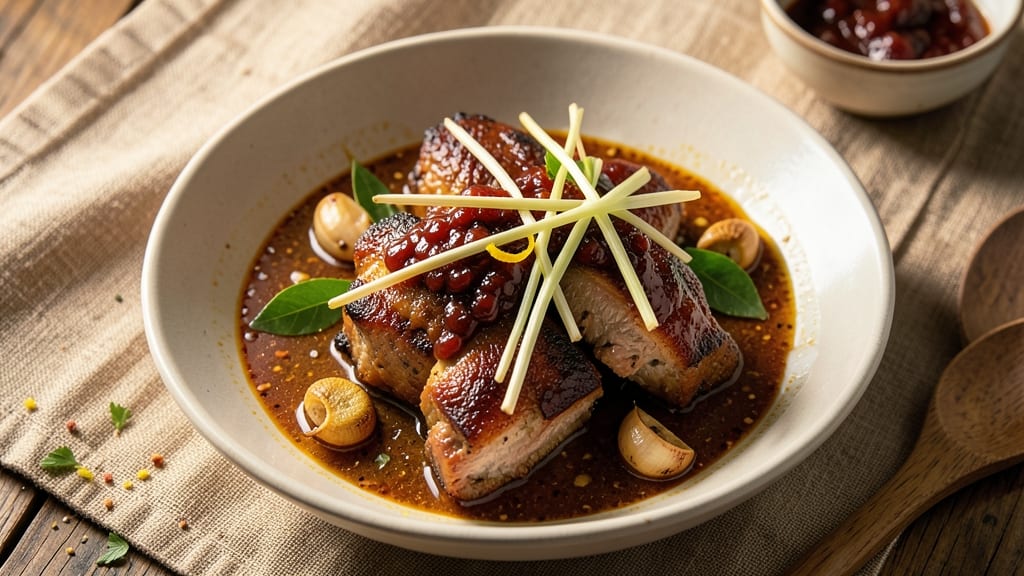
This Burmese pork curry recipe delivers the complex harmony of five-spice warmth and tamarind's bright tang in every bite. 🌟 I first encountered its depth during my apprenticeship under Master Chef Chen, where we perfected the balance between earthy spices and vibrant acidity that defines Burmese cuisine.
The secret lies in marinating the pork with turmeric and garlic before building layers of flavor through slow simmering.
The recipe begins with a fragrant paste of lemongrass, galangal, and kaffir lime leaves that infuses the pork with aromatic depth. As it simmers, the tamarind paste adds that signature tang while the five-spice blend—star anise, cinnamon, cloves, fennel, and cardamom—creates a warm, complex backbone.
This isn't just a curry; it's a flavor journey that transforms simple ingredients into something extraordinary.
What you'll achieve is tender, melt-in-your-mouth pork swimming in a glossy sauce that's perfectly balanced between sweet, sour, and spicy. The aroma alone will transport you to the bustling streets of Yangon, where this dish is a staple.
Each bite delivers that perfect marriage of textures—tender meat, silky sauce, and just enough heat to linger.
Serve it with steamed jasmine rice to soak up every last drop of that vibrant sauce, or pair with crisp pickled vegetables for contrast. The leftovers taste even better the next day as the flavors continue to meld.
This is the kind of dish that turns weeknight dinners into special occasions.
Ingredients for burmese pork curry
Earthy spices, aromatic herbs, and tender pork—everything you need for a restaurant-worthy curry.
| Ingredient | Amount | Notes |
|---|---|---|
| Pork Shoulder 🍖 | 1 ½ lb | Cut into 1.5-inch cubes |
| Lemongrass 🌿 | 2 stems | Bruised and cut into 2-inch pieces |
| Galangal 🌿 | 1 piece | About 3 inches, peeled and sliced |
| Kaffir Lime Leaves 🍋 | 4 whole | Torn into quarters |
| Garlic Cloves 🧄 | 6 cloves | Minced finely |
| Tamarind Paste 🍯 | ½ cup | Unsweetened, or 1/2 block |
| Turmeric Powder 🌶️ | 1 tbsp | Freshly ground preferred |
| Five-Spice Powder 🌶️ | 2 tsp | Homemade blend or store-bought |
| Star Anise 🌿 | 1 whole | Lightly crushed |
| Cinnamon Sticks 🌿 | 2 whole | Each about 2 inches |
| Cardamom Pods 🌿 | 4 whole | Lightly crushed |
| Fennel Seeds 🌶️ | 1 tsp | Whole, lightly toasted |
| Fish Sauce 💧 | 2 tbsp | Red Boat preferred |
| Coconut Milk 🥥 | 1 can (13.5 oz) | Full-fat for creaminess |
| Coconut Cream 🥥 | ½ cup | Thick part of canned coconut milk |
| Brown Sugar 🍚 | 2 tbsp | Packed lightly |
| Salt 🧂 | 1 tsp | Kosher or sea salt |
| Black Pepper 🌶️ | ½ tsp | Freshly ground |
| Vegetable Oil 🫒 | 2 tbsp | For searing pork |
| Jasmine Rice 🍚 | 1 ½ cups | Uncooked, for serving |
The pork shoulder is your secret weapon here—it stays tender as it braises. Look for well-marbled cuts at the butcher counter, or grab pre-cut pork shoulder from Costco or Trader Joe's for convenience. Galangal and kaffir lime leaves are the soul of this curry, so don't skip them. Asian markets carry fresh galangal (it looks like ginger but with a pale, rough skin), and kaffir lime leaves are usually sold dried in packets. If you can't find them, substitute extra lime zest and ginger, but it won't be the same. The lemongrass should be bruised—lightly smash it with the side of your knife before chopping to release those citrusy oils.
No tamarind paste? Mix 2 tbsp lime juice with 1 tbsp brown sugar as a quick substitute, though it won't have the same depth. The five-spice powder is non-negotiable—it's the backbone of the flavor. Make your own by toasting and grinding star anise, cinnamon, cloves, fennel, and cardamom, or grab a pre-made blend from Penzeys or Spicewalla. Fish sauce adds umami, but if you're avoiding it, soy sauce works in a pinch. The coconut milk should be full-fat—light versions won't give you that creamy, velvety texture. For extra richness, stir in the thick coconut cream from the can at the end.
This curry tastes even better the next day as the flavors meld. Store leftovers in an airtight container in the fridge for up to 5 days, or freeze for 3 months. I always make a double batch—one for dinner and one for lunch the next day. The rice? Cook it in advance and reheat with a splash of water. Jasmine rice holds up best when reheated, keeping its delicate aroma. If you're serving with pickled vegetables, prep those the day before—they add a perfect tangy crunch to cut through the richness.
Why You'll Love This Recipe
- One-Pot Magic: I swear by this recipe—just toss everything into one pot, and the pork shoulder melts into tender perfection while the lemongrass and galangal infuse the broth with layers of citrusy heat. No chopping boards full of mess, no complicated steps. The hardest part? Finding a spoon big enough.
- Flavor Bomb: That first bite—crispy edges on the pork, then the creamy, slightly spicy broth cutting through with galangal’s peppery kick and kaffir lime’s floral whisper? It’s the kind of dish that makes you close your eyes. Honestly, I’ve tried "simpler" curries, but this one actually sticks—in your memory, not just your mouth.
- Leftovers That Beg: This curry tastes even better the next day, which is a miracle because I usually burn leftovers trying to reheat them. The flavors deepen, the pork gets juicier, and I’ll happily eat it for lunch for three days straight. (Yes, even on a Tuesday night.) It’s my secret weapon for lazy afternoons.
- Budget-Friendly Feast: Pork shoulder is cheap, and a single lemongrass stalk or galangal root stretches across multiple meals. I’ll make this for date night, family dinner, or when friends drop by unannounced—it’s always a hit, and my wallet doesn’t cry. Plus, the leftovers freeze like a dream, so I’m never scrambling for a last-minute meal.
Step-by-step instructions for Burmese pork curry
Here's how to build layers of spice and tang—just like my grandmother taught me.
🔥 Step 1: Sear the Pork for Deep Flavor
Heat the 2 tablespoons vegetable oil in a heavy-bottomed pot over medium-high heat until shimmering. Add the 1.5 lb pork shoulder cubes in a single layer and sear for 4-5 minutes per side until deep golden brown. You want that caramelized crust—it's the foundation of rich flavor.
Don't crowd the pan. If you need to work in batches, that's fine, but searing properly ensures the pork develops that beautiful crust. Once browned, remove the pork and set aside on a plate.
🍳 Step 2: Toast the Spices and Build the Base
In the same pot, add the 2 stems lemongrass, 1 piece galangal, 4 whole kaffir lime leaves, 6 cloves garlic, 1 whole star anise, 2 whole cinnamon sticks, 4 whole cardamom pods, and 1 tsp fennel seeds. Toast for 1-2 minutes until fragrant—you'll smell that warm, earthy aroma that's pure magic.
Add the 1 tbsp turmeric powder, 2 tsp five-spice powder, and 2 tbsp brown sugar. Stir constantly for 30 seconds until the spices bloom and fill your kitchen with their complex scent. This is where the curry's soul begins to develop.
🥘 Step 3: Simmer the Spiced Pork in Coconut
Pour in the 1 can (13.5 oz) coconut milk and 0.5 cup coconut cream, scraping up all those delicious browned bits from the bottom. Return the pork to the pot, add 0.5 cup tamarind paste and 2 tbsp fish sauce, then bring to a gentle simmer.
Cover and cook for 45-50 minutes on medium-low heat until the pork is fork-tender and pulls apart easily. Stir occasionally, adding ½ cup water if the curry gets too thick. The tamarind should create that signature tangy balance with the rich coconut.
🔪 Step 4: Season and Finish with Herbs
Remove the lemongrass stems, galangal, and kaffir lime leaves (discard them). Add the 1 tsp salt and 0.5 tsp black pepper, then taste. You want the tamarind's tang to shine through but be balanced by the coconut's creaminess and the pork's richness.
Simmer uncovered for another 5-10 minutes to let the flavors meld and thicken slightly. The curry should coat the back of a spoon with a glossy, velvety texture. If it's too thin, simmer longer to reduce. If too thick, stir in a splash of water.
🍚 Step 5: Serve Over Jasmine Rice
While the curry simmers, cook the 1.5 cups jasmine rice according to package directions until tender and fluffy. The rice should be perfectly cooked—slightly sticky but not mushy—so it soaks up the curry beautifully.
Ladle the curry over the rice and garnish with fresh cilantro if you like. Serve immediately with warm naan or crusty bread. Each bite should deliver tender pork, aromatic spices, and that perfect balance of sweet, sour, and umami that makes this curry unforgettable.
Pro Tips For Making Burmese Pork Curry
- Char the Aromatics: Burn the garlic and galangal slices just until fragrant—about 2-3 minutes on medium heat. This deepens their flavor without turning bitter, which is crucial for that layered umami base. I used to rush this and wondered why my curry tasted flat.
- Pound the Lemongrass: Smash the lemongrass stalks with the flat side of your knife before adding them to the pot. This releases more oils and citrusy punch, making the curry sing. Skip this, and you’re missing half the aroma.
- Don’t Crowd the Pork: Cut the pork shoulder into 1.5-inch chunks and brown them in batches if needed. Overcrowding steams instead of sears, and you’ll end up with soggy meat instead of caramelized edges. Patience here makes all the difference.
- Simmer Low and Slow: Once the curry starts reducing, drop the heat to a bare simmer and let it cook uncovered for 45-60 minutes. Rushing this step makes the sauce thin and the flavors weak—like skipping the best part of a good conversation.
Dietary considerations for this recipe
Vegetarian Adaptations
Swap pork shoulder for extra-firm tofu or hearts of palm—both hold up well in the coconut sauce. Press tofu to remove excess water, then cube and pan-fry until golden before simmering.
For hearts of palm, slice them into ½-inch rounds and sear lightly to mimic the pork's texture. The five-spice blend and tamarind will still shine through these plant-based proteins. 🌱
Gluten-Free Considerations
This recipe is naturally gluten-free, but always check your fish sauce and five-spice blend for hidden gluten. I recommend Red Boat fish sauce (certified gluten-free) and Penzeys five-spice powder (made in a dedicated facility).
For extra safety, use tamari instead of soy sauce if you're adding it as a substitute. The coconut milk and spices remain completely gluten-free.
Dairy-Free Notes
The recipe is already dairy-free, but if you're sensitive to coconut, substitute with full-fat cashew cream (blend 1 cup soaked cashews with ½ cup water). The texture will be slightly lighter, but the flavors remain rich.
For extra creaminess, add 1 tbsp coconut oil at the end of cooking. Always verify your fish sauce and coconut milk labels for dairy cross-contamination.
Spice Level Control
Adjust heat by reducing or omitting the fennel seeds (they add subtle warmth) or black pepper. For extra spice, add ½ tsp chili flakes or 1 tbsp fresh Thai bird's eye chili (seeds removed) with the tamarind.
I often keep a small bowl of sweet chili sauce on the table for guests to balance the heat. The coconut milk naturally tempers spice, so don't worry about overdoing it.
Allergy-Friendly Swaps
For nut allergies, avoid coconut milk and use oat milk (thickened with cornstarch) or hemp seed milk for creaminess. For seafood allergies, replace fish sauce with soy sauce or miso paste (½ tsp miso paste per 2 tbsp fish sauce).
Always taste as you go—these swaps can alter the umami balance, so adjust salt accordingly. The curry's aromatic base remains intact regardless of these changes. 💡
Nutrition facts
Frequently asked questions
Can I substitute pork with chicken or beef in this recipe?
For chicken, use 1.5 lb boneless thighs (they stay juicier than breast meat). For beef, opt for 1.5 lb chuck roast cut into cubes—it becomes fork-tender during simmering. The cooking time remains similar, but beef benefits from an extra 10-15 minutes to ensure tenderness. Adjust salt slightly if using beef, as it's naturally saltier than pork.
What if I can't find galangal or kaffir lime leaves?
For galangal, use extra ginger (1 tbsp freshly grated)—it won't be identical but adds warmth. For kaffir lime leaves, substitute 1 tbsp lime zest + 1 tbsp chopped cilantro. The citrus notes will bridge the gap, though the aromatic depth won't be the same. These ingredients are key to authentic flavor, so try to source them at Asian markets.
How do I adjust the spice level for sensitive eaters?
Start by reducing the black pepper to ¼ tsp and omitting the fennel seeds (they add subtle heat). For extra mildness, blend the five-spice powder with 1 tsp sugar before adding it to the pot. Serve with a side of cucumber salad or plain yogurt to further cool the palate. The coconut milk naturally balances heat, so the dish stays approachable.
Can I make this curry in an Instant Pot or slow cooker?
Yes! For the Instant Pot, sear the pork first, then add all ingredients (except coconut cream) and pressure cook for 20 minutes on high. Release pressure naturally, then stir in coconut cream and simmer on sauté mode for 5 minutes. In a slow cooker, combine everything (including coconut cream) and cook on low for 6-7 hours or high for 3-4 hours. The texture will be slightly thicker, so add ¼ cup water if needed.
What's the best way to store and reheat leftovers?
Store in an airtight container in the fridge for up to 5 days or freeze for 3 months. To reheat, warm over medium-low heat on the stove with 2 tbsp water to prevent drying. For microwave reheating, cover with a damp paper towel and heat in 30-second intervals, stirring between each. Leftovers taste even better the next day as flavors meld!