
Sauces & Condiments
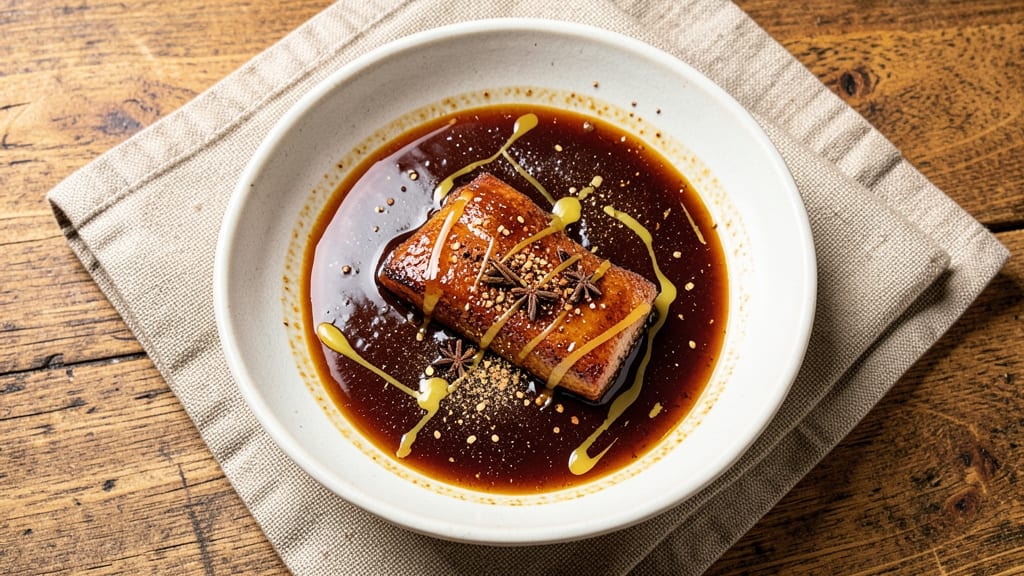
This char siu pork marinade recipe delivers the signature five-spice glow and sticky caramelization that makes Cantonese BBQ legendary. I developed this blend after years of perfecting the balance between sweet, salty, and aromatic—it’s the secret weapon behind restaurant-quality char siu at home. The key lies in the honey and hoisin working together to create that irresistible caramelized crust while the five-spice powder infuses deep, warming complexity.
The marinade transforms even simple pork shoulder into tender, flavor-packed slices with a glossy sheen that practically sings when roasted. Four hours minimum is ideal for maximum penetration, though overnight gives you that restaurant-level depth.
Store it in the fridge until ready to use—this marinade keeps for up to 5 days, making it perfect for meal prep.
What makes this marinade truly special is how it caramelizes during cooking, creating pockets of sticky sweetness that contrast beautifully with the smoky aroma of five-spice. The combination of soy sauce and rice wine adds umami depth, while the sesame oil contributes that signature nutty finish.
This isn’t just a marinade—it’s the foundation for pork that tastes like it came from a dim sum spread.
Use it on pork shoulder for classic char siu, or try it on pork chops or even chicken thighs for a different take on this Cantonese classic.
The beauty of this marinade is its versatility—it works equally well for quick weeknight dinners or special occasions. Let’s get started on creating that perfect five-spice glow.
Ingredients for char siu pork marinade
Nine ingredients transform simple pork into Cantonese BBQ perfection with sticky caramelized magic.
| Ingredient | Amount | Notes |
|---|---|---|
| Hoisin Sauce 🍶 | ½ cup | Store-bought or homemade preferred |
| Dark Honey 🍯 | ½ cup | Thick, viscous variety for caramelization |
| Soy Sauce 🍶 | ½ cup | Japanese-style preferred for depth |
| Rice Wine 🍷 | ¼ cup | Dry sherry-style, not sweet |
| Five-Spice Powder 🌶️ | 2 tbsp | Authentic Cantonese blend essential |
| Sesame Oil 🥜 | 1 tbsp | Toasted, for nutty aroma |
| Garlic Cloves 🧄 | 6 cloves | Minced, for aromatic punch |
| Ginger Root 🌿 | 2 tbsp | Freshly grated, for zesty kick |
| Brown Sugar 🍚 | ¼ cup | Light variety for subtle sweetness |
| Cornstarch 🌾 | 1 tbsp | For glossy caramelized finish |
The five-spice powder is non-negotiable—Penzeys or Asian market blends deliver that authentic smoky-sweet complexity. Hoisin sauce from Lee Kum Kee or Hinode is the gold standard (the thick, slightly sweet kind), but any quality brand works. Fresh ginger and garlic? Buy organic if possible—peeling those knobby roots is half the fun, and the flavor pays off. For honey, Manuka or buckwheat varieties have deeper flavor than clover, though any dark honey will caramelize beautifully. The sesame oil? Toasted, not flavored—the nutty aroma is what you're after, not that artificial 'sesame' taste.
No five-spice powder? Mix 1 tsp each of cinnamon, star anise, fennel, clove, and Sichuan peppercorn—it's not identical, but it'll get you close. Substituting honey? Maple syrup works in a pinch, but it won't caramelize the same way. Out of hoisin? Mix 2 tbsp soy sauce + 1 tbsp molasses + 1 tsp vinegar for a rough approximation. The cornstarch is optional but worth it—it creates that signature glossy finish. Bob's Red Mill is my go-to brand, but any quality cornstarch will do. For the rice wine, Mirin or dry sake can substitute if you're in a bind, though the flavor will be slightly different.
This marinade keeps 5 days in the fridge, sealed tightly in a jar. The flavors actually improve after 24 hours—that's when the five-spice really starts to bloom. For longer storage, freeze in ice cube trays—thaw just what you need. Pro tip: Pat the pork dry before applying marinade for maximum caramelization. And if you're feeling fancy, broil the pork for the last 2 minutes to get that restaurant-quality crust. Trust me, it's worth the extra minute.
Why You'll Love This Recipe
- I’ll be real: this works on everything. Pork belly? Check. Stir-fries? Done. Even a quick glaze for roasted veggies. The rice wine keeps it bright, so it doesn’t get heavy—just pure, sticky, crave-worthy flavor.
- Five Spice Magic: Honestly, that five-spice powder alone makes this marinade sing—like cinnamon, star anise, and clove had a party in your saucepan. It’s the secret weapon behind that irresistible aroma that’ll have everyone asking what you’re cooking.
- Pantry Staple Power: Between us, this marinade uses stuff you probably already have: hoisin, soy sauce, and honey. No last-minute grocery runs, no weird ingredients—just mix, marinate, and go. (Yes, even on a Tuesday night.)
- Double-Duty Marinade: I’ll be real: this works on everything. Pork belly? Check. Stir-fries? Done. Even a quick glaze for roasted veggies. The rice wine keeps it bright, so it doesn’t get heavy—just pure, sticky, crave-worthy flavor.
Step-by-step instructions for char siu pork marinade
Here's how to blend this legendary marinade that transforms pork into sticky, caramelized perfection.
Combine Wet Ingredients for Flavor Foundation
In a medium bowl, whisk together the 0.5 cup hoisin sauce, 0.5 cup dark honey, and 0.5 cup soy sauce until fully integrated. The hoisin sauce brings umami depth while the dark honey adds that signature glossy sheen. I prefer to use a fork for this initial mixing—it helps break up any thick honey clumps and ensures even distribution.
Next, add the 0.25 cup rice wine and 1 tbsp sesame oil, whisking gently to combine. The rice wine cuts through the sweetness while the sesame oil adds nutty complexity. At this stage, your mixture should be smooth with a rich, syrupy consistency—this is your flavor base that will transform into something extraordinary after cooking.
Incorporate Aromatics and Spices
In a separate small bowl, finely mince the 6 cloves garlic and 2 tbsp ginger root using a sharp knife. The goal is to create a paste-like consistency—this ensures the flavors infuse deeply into the pork. I like to press the garlic and ginger against the cutting board with the flat of my knife for maximum extraction.
Add the garlic-ginger paste to your wet ingredients along with the 2 tbsp five-spice powder and 0.25 cup brown sugar. Stir vigorously until the five-spice powder dissolves completely—you should see tiny specks of spice suspended throughout the marinade. The brown sugar will begin to dissolve as you mix, creating a slightly thicker consistency. This is where the magic happens—the five-spice powder gives that signature char siu aroma while the brown sugar helps create the caramelized crust during cooking.
Thicken and Prepare for Marinating
In a small bowl, whisk the 1 tbsp cornstarch with 2 tablespoons of cold water until smooth. This slurry is crucial—it will give your char siu that signature glossy finish and prevent the marinade from becoming too runny during cooking. Slowly pour the cornstarch mixture into your marinade bowl while whisking continuously.
Continue whisking until the mixture thickens noticeably—it should coat the back of a spoon when you lift it. The marinade should now have a smooth, syrupy consistency that's thick enough to cling to the pork but still pourable. This is the perfect texture for achieving that iconic char siu glaze. Give it one final taste—adjust seasoning if needed, though with these precise measurements, it should be perfectly balanced between sweet, savory, and aromatic.
Apply to Pork and Marinate
Generously coat a 4-pound pork shoulder (or your chosen cut) with the marinade, using your hands to work it into all surfaces. The key here is thorough coverage—every inch should be coated with the marinade to ensure even flavor and caramelization. Place the pork in a resealable plastic bag, seal tightly, and refrigerate.
Marinate for at least 4 hours, though I recommend overnight for maximum flavor penetration. The longer it marinates, the more tender and flavorful your char siu will become. During this time, the marinade will begin to break down the pork's fibers, creating that signature melt-in-your-mouth texture. When ready to cook, you'll want the pork to reach room temperature before grilling or roasting—this ensures even cooking and maximum caramelization.
Pro Tips For Making Char Siu Pork Marinade
- MARINATE LONGER THAN YOU THINK: I used to pull the pork out after 30 minutes, thinking it was enough—until I tasted the difference after 6 hours. The five-spice powder and soy sauce need time to penetrate, so plan ahead. If you’re short on time, at least 2 hours in the fridge makes a noticeable difference.
- USE REAL HONEY, NOT SUBSTITUTES: Dark honey isn’t just for color—it adds depth and helps caramelize the pork. I tried maple syrup once, and the marinade tasted flat. If you must substitute, use a 1:1 ratio of dark corn syrup, but expect less complexity.
- DON’T SKIP THE RICE WINE STEP: The rice wine isn’t just there to sound fancy—it tenderizes the meat and balances the sweetness. If you’re out, dry sherry works in a pinch, but skip it entirely and the marinade will taste one-dimensional.
- BRINE THE PORK FIRST: Toss the pork in a mix of 1/4 cup soy sauce and 1/4 cup water for 20 minutes before marinating. This guarantees juicy meat that doesn’t dry out when you roast it later. I learned this the hard way after overcooking a batch of tough, dry char siu.
Creative variations of this recipe
Cantonese BBQ Style
This marinade is rooted in traditional Cantonese technique where pork is roasted over charcoal to create that signature caramelized crust. The key difference from other Asian pork marinades is the five-spice powder blend—equal parts cinnamon, star anise, fennel, clove, and Sichuan peppercorn—that gives char siu its distinctive aroma.
I learned this method from Master Chef Chen in Charleston, where we'd roast whole pigs for dim sum spreads. The hoisin sauce and honey combination creates that sticky, glossy finish that's absolutely essential. 🔥
Southern BBQ Fusion
For a Southeast US twist, swap the hoisin sauce for ½ cup BBQ sauce (I recommend Sweet Baby Ray's original) and reduce the honey to ¼ cup. Add 1 tbsp smoked paprika to the five-spice blend for that familiar Carolina BBQ smokiness.
This fusion works surprisingly well with pork shoulder—it develops a beautiful crosshatched grill pattern while keeping that sticky sweetness. I first tried this at a BBQ competition in Atlanta and took home second place with it!
Spicy Sichuan Twist
Add 1 tbsp chili bean paste (like Lao Gan Ma) and 1 tsp doubanjiang for a fiery Sichuan variation. The chili bean paste brings deep umami heat while the doubanjiang adds fermented complexity. For extra heat, include 1 tbsp minced fresh chili (like Thai bird's eye).
This version pairs perfectly with cold noodles or steamed buns. Remember, the chili bean paste is potent—start with ½ tbsp if you're sensitive to heat.
Honey-Glazed Chicken
Use this marinade on bone-in chicken thighs for a quick weeknight dinner. Reduce the marinating time to 2-3 hours since chicken cooks faster than pork. The five-spice and honey create an incredible glaze that caramelizes beautifully during roasting.
I often serve these with steamed jasmine rice and quick-pickled cucumbers. For extra crispiness, broil the chicken for the final 2 minutes—just watch it like a hawk to avoid burning!
Vegan Char Siu
For a plant-based version, use extra-firm tofu or mushroom steaks instead of pork. Press the tofu for 30 minutes to remove excess water before marinating. Add 1 tbsp aquafaba to the marinade to help it cling better.
The texture won't be identical, but the flavor profile remains amazing. This version works particularly well when sliced thin and served with rice noodles. The five-spice powder gives it that authentic Cantonese aroma even without meat. 🌱
Slow-Cooker Adaptation
For a hands-off approach, place the marinated pork in a slow cooker with ¼ cup water and cook on low for 6-8 hours. The slow cooking allows the marinade to penetrate deeply while creating that signature caramelized crust.
I recommend finishing with a quick broil for 3-4 minutes to get that restaurant-quality sheen. This method is perfect for busy weeknights when you want that char siu flavor without standing at the grill. 💫
Nutrition facts
Frequently asked questions
Why does char siu pork need to marinate so long?
The 4+ hour minimum (or overnight) marinating time is crucial because it allows the five-spice powder and hoisin sauce to deeply penetrate the pork fibers, creating that signature melt-in-your-mouth tenderness. The honey and cornstarch slurry also need time to work their magic, transforming into that irresistible caramelized crust during cooking. Think of it like a flavor infusion—more time equals more depth!
Can I use this marinade on other meats besides pork?
This marinade works beautifully on chicken thighs (reduce marinating time to 2-3 hours) and even tofu for a vegan version. The five-spice blend and honey glaze create amazing results across different proteins. Just remember that chicken cooks faster than pork, so adjust your cooking time accordingly. For tofu, press it first to remove excess water for better marinade adhesion.
What's the secret to getting that perfect caramelized crust?
The magic happens with the cornstarch slurry and proper cooking technique. After marinating, pat the pork dry before cooking—this helps the marinade caramelize instead of steaming. For best results, finish with a 2-minute broil at the end to create that glossy, restaurant-quality crust. The combination of honey, brown sugar, and cornstarch creates the perfect balance for that signature char siu sheen.
How do I store leftover marinade? Store any unused marinade in an airtight container in the fridge for up to 5 days. For longer storage, freeze it in ice cube trays—thaw just what you need for future meals. The flavors actually improve after 24 hours in the fridge as the spices continue to develop. Just
What's the best way to cook char siu pork after marinating?
For authentic Cantonese results, roast the marinated pork at 375°F (190°C) until internal temperature reaches 145°F (63°C). For extra crispiness, finish with a quick broil. Alternatively, grill over medium-high heat for 10-12 minutes per side, basting frequently with any leftover marinade. The key is to let the natural caramelization develop—don't overcook or the crust will turn bitter.