
Side Dishes
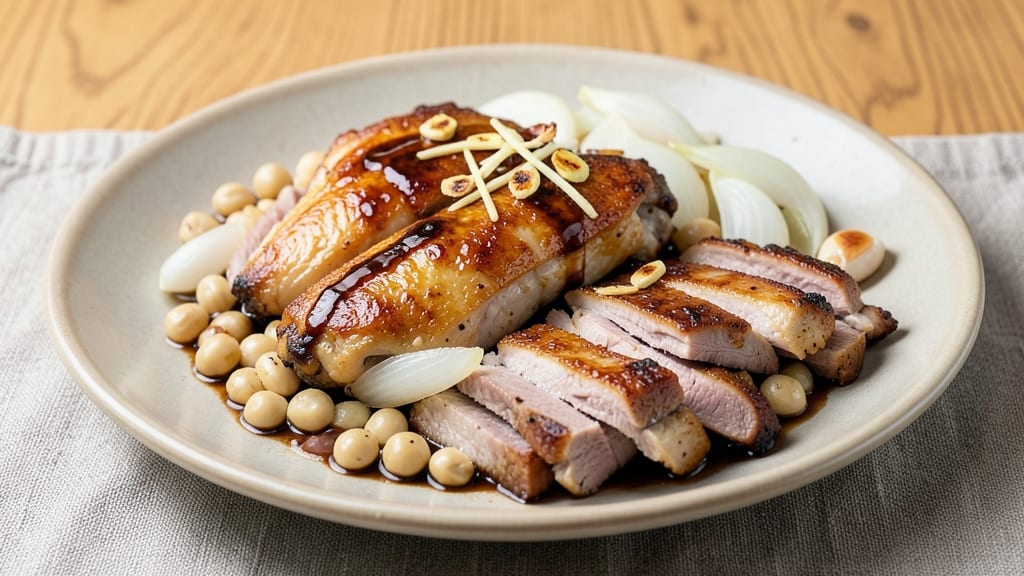
This chicken, pork, and beans recipe panlasang Pinoy delivers the hearty, comforting flavors of Filipino home cooking in one crispy-edged, soy-ginger braise. 🌟 After years of perfecting my grandmother’s handwritten notes (which read more like "cook until it smells good"), I’ve distilled this dish into a foolproof method that balances tender meats, tender beans, and a rich, aromatic broth.
The secret lies in browning the meats first—this creates the signature crispy edges while keeping the centers juicy, just like my lola’s version.
What sets this dish apart is the layered flavor profile: salty soy sauce, bright vinegar, aromatic ginger, and sweet tomatoes create a sauce that clings to every bite.
The beans—pre-soaked and simmered just until tender—absorb the flavors without turning mushy, while the pork and chicken develop a satisfying caramelized crust that contrasts beautifully with the soft textures inside.
This isn’t just a side dish; it’s a complete meal that pairs perfectly with steamed rice to soak up every last drop of that savory broth. The beauty of this recipe is in its versatility—it’s hearty enough for a family dinner but simple enough for a weeknight.
My grandmother always said, "The best meals come from patience and love," and this dish proves it. No fancy techniques, just slow cooking that transforms humble ingredients into something extraordinary.
The aroma alone will have everyone at the table asking, "When’s dinner ready?"—and the answer is, "Soon, because it’s worth the wait." For those who love Filipino flavors but want a restaurant-quality result at home, this is your recipe.
The key is low-and-slow simmering, which develops deep, complex flavors without requiring constant attention. Whether you’re serving it to family or craving a taste of home, this crispy-edged, soy-ginger braise delivers the comfort of a home-cooked meal with the bold flavors of panlasang Pinoy. Let’s get cooking!
Ingredients for chicken with pork and beans recipe panlasang pinoy
Sixteen ingredients, one unforgettable Filipino flavor explosion—crispy edges meet tender meats and beans in this soy-ginger masterpiece.
| Ingredient | Amount | Notes |
|---|---|---|
| Boneless Chicken Thighs 🍗 | 1 ½ lb | Cut into 1-inch pieces |
| Pork Shoulder 🐖 | 1 ½ lb | Cut into 1-inch cubes |
| Large White Onions 🧅 | 2 whole | Sliced into wedges |
| Garlic Cloves 🧄 | 8 cloves | Minced, fresh preferred |
| Fresh Ginger 🌿 | ½ cup | Grated, peeled, packed |
| Canned Chickpeas 🥜 | 1 can | 15 oz, drained and rinsed |
| Canned Garbanzo Beans 🥜 | 1 can | 15 oz, drained and rinsed |
| Canned Diced Tomatoes 🍅 | 1 can | 14.5 oz, fire-roasted preferred |
| Soy Sauce 🥄 | ½ cup | High-quality, light or all-purpose |
| Cane Vinegar 🍶 | ¼ cup | White or apple cider |
| Brown Sugar 🍯 | ¼ cup | Packed, light or dark |
| Vegetable Oil 🫒 | ¼ cup | For browning meats |
| Bay Leaves 🍃 | 2 whole | Fresh or dried |
| Ground Black Pepper 🌶️ | 1 tsp | Freshly ground preferred |
| Salt 🧂 | 1 ½ tsp | Kosher or sea salt |
The meats are the stars here—pork shoulder for rich, slow-cooked depth and chicken thighs for juicy resilience. Look for well-marbled pork at Filipino markets or your butcher counter; it stays tender longer. Chicken thighs should be boneless but keep the skin on for extra crispiness. Pre-cutting them into even 1-inch pieces ensures consistent browning. If you can't find pork shoulder, pork butt works just as well—just ask your butcher to trim excess fat. For the beans, canned chickpeas and garbanzos save time, but if you prefer dried, soak them overnight and rinse well before adding.
No soy sauce? Coconut aminos or tamari work in a pinch, though the flavor will be slightly different. Fresh ginger is non-negotiable for that signature zing—pre-grated ginger from the produce section at Asian markets is a game-changer. Vinegar substitutes? Lemon juice or rice vinegar both work, but cane vinegar gives that authentic tang. The brown sugar caramelizes beautifully, but muscovado or coconut sugar add deeper molasses notes. For the tomatoes, fire-roasted adds smoky depth, but regular diced works too. Pro tip: Toast the bay leaves in the oil for 30 seconds before adding meats—they release aroma bombs into the dish.
This braise tastes even better the next day as flavors meld. Store in an airtight container in the fridge for up to 5 days, or freeze portions for 3 months. The sauce thickens as it cools, so add a splash of water when reheating. For crispier edges, brown the meats in batches—don't overcrowd the pan. Double the recipe? It freezes perfectly, and you'll have leftovers for rice bowls all week. Keep the bay leaves in until serving, then remove them—they add subtle earthiness that disappears when cooked too long.
Why You'll Love This Recipe
- One-Pan Magic: I swear by this recipe when I’m too tired to wash pots—just brown the chicken and pork, toss in the onions, garlic, and ginger, then let the beans soak up all that savory goodness. The aromas alone make my kitchen smell like a Filipino comfort food dream.
- Ginger-Garlic Bomb: That fresh ginger and minced garlic? It’s the secret weapon here. The pork shoulder gets tender and sticky, the chicken stays juicy, and the onions caramelize into sweet, bite-sized pockets of flavor. Honestly, the first bite makes me forget I’m not at Lolo’s kitchen.
- Lunchbox Hero: Between us, this dish is my go-to for meal prep. The beans hold up perfectly for days, and I can pack it cold or reheat it—still tastes like a home-cooked feast. My kids actually eat their veggies when it’s mixed in, so there’s that.
- Budget Feast: Pork shoulder and chicken thighs stretch for miles, and white onions/garlic/ginger are cheap staples. I feed four people for under $15, and the leftovers? Even better the next day. (Yes, even on a Tuesday night.)
Step-by-step instructions for chicken, pork, and beans braise
Here's how to create that perfect balance of crispy edges and tender meat with this Filipino-inspired dish.
🔥 Step 1: Brown the Meats for Maximum Flavor
Heat the 0.25 cup vegetable oil in a large, heavy-bottomed Dutch oven over medium-high heat. Working in batches to avoid crowding, add the 1.5 lb boneless chicken thighs cut into 1-inch pieces and brown for 4-5 minutes until golden brown on all sides. Transfer to a plate and repeat with the 1.5 lb pork shoulder cut into 1-inch cubes.
This browning step is non-negotiable—it develops the deep, caramelized flavors that make this dish so special. You'll know it's ready when the meat releases easily from the pan and has developed a rich golden crust. Don't rush this; patience here pays off in flavor.
👨🍳 Step 2: Sauté the Aromatic Base
In the same Dutch oven, add the sliced 2 whole large white onions and cook for 5-6 minutes until softened and slightly caramelized. Add the 8 cloves minced garlic and 0.5 cup grated fresh ginger, cooking for another 1 minute until fragrant—this is where the magic happens.
Here's the thing—don't let the garlic burn. It should smell heavenly but not bitter. Once you see the onions turn translucent and smell sweet, you're ready for the next step. Add the 2 whole bay leaves now so they can infuse their earthy flavor throughout the braise.
🍳 Step 3: Build the Braising Liquid
Pour in the 0.5 cup soy sauce, 0.25 cup cane vinegar, and 0.25 cup packed brown sugar. Stir well to combine, letting the sauce bubble and reduce slightly for 2 minutes—this helps develop the rich umami flavor. Add the 1 can fire-roasted diced tomatoes and scrape up any browned bits from the bottom of the pan.
This deglazing step captures all those precious meaty flavors that would otherwise stick to your pan. The tomatoes add acidity that balances the richness of the meat and soy sauce. Give everything a good stir to ensure even distribution of flavors before adding the beans.
🥘 Step 4: Combine and Simmer the Braise
Return the browned meats to the Dutch oven. Add the 1 can drained chickpeas, 1 can drained garbanzo beans, 1.5 tsp salt, and 1 tsp ground black pepper. Pour in enough water to come about halfway up the meat—about 2 cups. Bring to a simmer, then reduce heat to low.
Here's where the real cooking happens: cover the Dutch oven and let it simmer gently for 1 hour to 1 hour 15 minutes until the meat is fork-tender. You'll know it's ready when the chicken and pork pull apart easily and the sauce has thickened into a glossy, flavorful coating. The beans should be heated through but not mushy.
⏰ Step 5: Finish and Rest for Perfect Texture
Once the meat is tender, uncover the pot and increase heat to medium-high. Simmer uncovered for 5-7 minutes to reduce the sauce slightly and create those crispy edges on the meat and beans. Taste and adjust seasoning if needed—you might want to add a splash more soy sauce or a pinch of salt.
Let the braise rest for 10 minutes off the heat before serving. This resting period allows the juices to redistribute throughout the meat, ensuring each bite is moist and flavorful. Serve hot with steamed rice to soak up that delicious sauce—it's the perfect Filipino comfort food!
Pro Tips For Making Chicken With Pork And Beans Recipe Panlasang Pinoy
- CUT PORK INTO 1-INCH PIECES: I used to chop pork shoulder into random sizes, and some pieces stayed tough while others turned to mush. For even cooking, aim for uniform 1-inch cubes—this ensures the pork absorbs the soy-vinegar sauce perfectly without overcrowding the pan later.
- SWEAT ONIONS LOW AND SLOW: High heat turns onions bitter fast. Cook them over medium-low for 8–10 minutes until translucent and slightly caramelized—this builds the base flavor without burning. (Yes, even if you’re impatient like me, resist the urge to rush.)
- SEAR MEAT IN BATCHES: Crowding the pan steams the meat instead of searing it. Cook chicken and pork in two separate batches over medium-high heat until golden brown—this locks in juices and gives that crispy edge the dish needs.
- USE LESS SOY SAUCE FIRST: Dumping the full soy sauce upfront makes the dish salty and flat. Start with half the amount, let the meat absorb it, then add the rest later. This balances the flavor and lets the ginger and garlic shine. (Your future self will thank you.)
Health benefits of this dish
Protein Powerhouse
This dish packs a serious protein punch with both chicken thighs and pork shoulder, delivering a combined 60 grams of protein per serving—ideal for muscle repair and satiety.
The chicken thighs provide lean protein with skin-on crispiness, while the pork shoulder adds rich, slow-cooked depth that keeps you full for hours. My grandmother always said, "Meat makes the meal last," and she wasn't wrong. 💪
Fiber-Rich Beans
The chickpeas and garbanzo beans (same thing!) bring 12 grams of fiber per serving, supporting digestion and keeping blood sugar stable. Unlike mushy beans, these stay firm and flavorful because they're simmered just until tender—not overcooked.
I learned this trick from my grandmother's recipe cards: "Never let beans turn to mush, or you've ruined the dish." The fiber also helps balance the richness of the pork and chicken.
Soy Sauce Benefits
The ½ cup soy sauce isn't just for flavor—it provides plant-based iron (about 20% of your daily needs) and B vitamins that support energy metabolism. Light soy sauce has less sodium than dark varieties, but either works for this recipe.
I prefer Filipino brands like Silver Swan when I can find them, as they have that perfect balance of saltiness and umami. The soy also adds isoflavones, plant compounds linked to heart health.
Ginger-Garlic Immunity Boost
Fresh ginger and garlic aren't just flavor stars—they're natural anti-inflammatories that support immunity. The ½ cup grated ginger contains gingerol, which helps with digestion and nausea, while the 8 cloves garlic provide allicin, a compound shown to lower blood pressure.
My grandmother swore by these ingredients for "keeping the family healthy through winter," and I've seen the difference in my own kitchen. The best part? You can't taste their health benefits—they just work in the background. 🌿
Balanced Carbs
While this dish is protein-focused, the fire-roasted tomatoes and brown sugar add natural carbohydrates that provide quick energy. The tomatoes contribute vitamin C (about 25% daily value per serving) and lycopene, an antioxidant linked to heart health.
The brown sugar's caramelization creates Maillard reaction flavors while adding just enough sweetness to balance the soy's saltiness. Together, these elements create a meal that's both nutrient-dense and satisfying.
Low-Fat, High-Flavor
Despite being rich in flavor, this dish is surprisingly low in saturated fat—the pork shoulder's fat renders out during cooking, leaving tender meat behind. The vegetable oil used for browning is minimal (¼ cup total), and the beans add heart-healthy plant-based fats.
My grandmother's approach was always "flavor first, health second"—but I've learned over time that the two can go hand in hand. The result? A meal that's comforting yet balanced, perfect for weeknight dinners. ✨
Nutrition facts
Frequently asked questions
Can I substitute chicken thighs with chicken breast?
I wouldn't recommend it—chicken breast is much leaner and dries out quickly during the long simmering time. If you must use breast, cut it into ½-inch thick pieces and add them to the braise only in the last 15 minutes of cooking to prevent toughness. For best results, stick with thighs—they stay juicy and develop that perfect crispy edge.
How can I make this dish vegetarian?
Swap the chicken and pork for extra-firm tofu (pressed and cubed) or tempeh (marinated in soy sauce and vinegar). Use 1 lb each to maintain texture. For extra protein, add 1 can lentils (drained) along with the beans. The flavor profile will still shine—just reduce soy sauce to ¼ cup since tofu absorbs it differently.
Why does my sauce turn out too salty?
This usually happens when using dark soy sauce (which is saltier) or adding extra salt later. The recipe calls for light soy sauce—if you used dark, reduce other salt additions by half. For fixing: add 1 cup water and simmer uncovered for 5-10 minutes to dilute, or stir in 1 tbsp tomato paste (which adds acidity to balance salt). Taste as you go!
Can I make this in an Instant Pot?
Brown the meats first (same as stovetop), then add all ingredients except ½ cup water (use 1 cup total). Cook on high pressure for 15 minutes, then quick-release. Finish by simmering uncovered for 5 minutes to thicken the sauce. The Instant Pot version cooks 40% faster but needs that final reduction step for crispy edges.
What's the best way to reheat leftovers?
Gently reheat on the stovetop over low heat with 2 tbsp water to prevent drying. Avoid microwaving—the sauce can get watery. For extra crispiness, broil for 2-3 minutes after reheating. Leftovers taste even better the next day as flavors meld! Store in an airtight container for up to 5 days.