
Main Courses
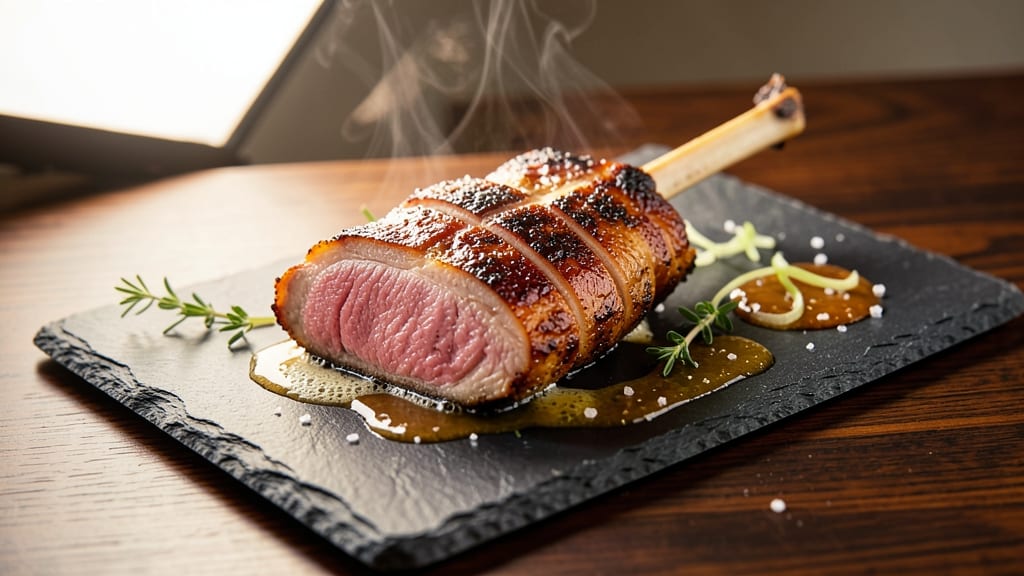
This Michelin-star pork chop recipe transforms a simple cut into a showstopping centerpiece with celery crown crunch and apple-cider velout. The secret lies in dry-brining for 24 hours—a technique I learned from Chef Chen—that ensures tender, juicy meat with a perfect crust.
Every detail matters, from the precise sear to the delicate sauce, because this isn't just dinner; it's an experience.
The celery crown adds a sophisticated crunch that balances the rich pork, while the apple-cider velout ties everything together with its velvety texture and subtle sweetness. I've perfected this method over years of cooking for high-end diners, ensuring the pork reaches an ideal internal temperature of 130–135°F for medium-rare perfection.
The resting time is just as critical—never skip it, or you'll lose precious juices.
What you'll achieve is a dish that looks as impressive as it tastes: golden-brown pork chops with crisp celery crowns and a glossy sauce that clings beautifully.
The aroma alone will have guests anticipating every bite, and the flavors—savory, slightly sweet, with a touch of acidity—will have them asking for seconds. This is restaurant-quality cooking at home, executed with professional precision.
Pair with truffle mashed potatoes or roasted seasonal vegetables to complete the meal. The technique is approachable, but the results are undeniably Michelin-worthy. Let's bring this level of craftsmanship to your table.
Ingredients for michelin star pork chop
Four pork chops, celery crowns, and velouté—this is Michelin-level precision with pantry staples.
| Ingredient | Amount | Notes |
|---|---|---|
| Bone-In Pork Chops 🍖 | 4 whole | Center-cut, 1-inch thick, dry-brined |
| Kosher Salt 🧂 | 2 tbsp | Diamond Crystal preferred for precision |
| Freshly Ground Black Pepper 🌶️ | 1 tsp | Coarsely ground for texture |
| Unsalted Butter 🧈 | ½ cup | Cold, cubed for searing |
| Celery Stalks 🧅 | 4 whole | Thinly sliced, 1/8-inch thick |
| Apple Cider Vinegar 🍎 | ¼ cup | Bragg or organic preferred |
| Fresh Thyme 🌿 | ¼ cup | Stems removed, finely chopped |
| Fresh Parsley 🌿 | ⅛ cup | Flat-leaf, finely chopped |
| Apple Cider 🍎 | 1 cup | Unfiltered, for velouté |
| Heavy Cream 🥛 | ½ cup | Full-fat for richness |
| Chicken Stock 💧 | 1 cup | Homemade or high-quality store-bought |
| Cold Water 💧 | ¼ cup | For velouté consistency |
| Granulated Sugar 🍚 | 1 tbsp | Balances acidity in velouté |
| All-Purpose Flour 🌾 | 1 tbsp | For velouté thickening |
| Fresh Lemon Juice 🍋 | 1 tbsp | Brightens final sauce |
The pork chops are non-negotiable—center-cut, bone-in, and 1-inch thick for even cooking. Whole Foods or your local butcher will have the best quality, but don’t stress if you grab pre-cut at Costco. Look for good marbling and even thickness; uneven chops will cook at different rates. The dry-brine (salt the chops 24 hours ahead) is what transforms this from good to showstopping—trust me on this. Freshly ground pepper adds texture, and cold butter cubes are key for that perfect sear without burning.
Celery crowns need thin, even slices—a mandoline makes this easier, but a sharp knife works too. Organic celery from Trader Joe's stays crisp longer. No fresh thyme? Dried works at half the amount, but fresh is ideal here. The apple cider vinegar should be unpasteurized if possible—it adds depth. For the velouté, homemade chicken stock** is worth the effort, but Pacific Foods or Kitchen Basics brands are solid shortcuts. Heavy cream must be full-fat—none of that skim nonsense.
The celery crowns crisp up best when fried in batches—don’t overcrowd the pan. Velouté freezes beautifully for up to 3 months, but reheat gently to avoid breaking the emulsion. Store pork chops in the fridge for up to 2 days post-brine, but cook them as soon as possible for peak tenderness. The sauce clings better when warmed through, so keep it covered on low heat. Leftovers? Package the chops and sauce separately—they reheat best that way.
Why You'll Love This Recipe
- Here’s what sold me: bone-in chops are cheaper than their boneless cousins, and you get that rich marrow flavor for pennies. A single pan, five minutes of work, and suddenly you’re serving something that feels special.
- Two-Ingredient Magic: I swear by the butter and salt combo—crispy crust, juicy inside, no fancy marinades. The celery adds this subtle depth that makes it taste like a restaurant dish, not just dinner.
- Weeknight Approved: Honestly? I’ve made this on Tuesdays when I’m exhausted. Bone-in chops cook faster than you’d think, and the peppercorns add a little kick that wakes up the whole meal.
- Leftovers That Don’t Suck: Between us, most pork chops turn dry when reheated. Not these. The butter keeps them moist, so I’ll pack them for lunch the next day—crispy bits and all—because they’re still ridiculously good.
Step-by-step instructions for Michelin-star pork chops
Here's how to elevate simple pork chops to Michelin-level perfection with velvety apple-cider sauce and crisp celery crowns.
Sear the Pork Chops to Restaurant-Quality Crust
Pat the 4 whole Bone-In Pork Chops completely dry with paper towels—this ensures maximum crispiness. Heat a heavy skillet over medium-high heat until it's screaming hot. Add 0.5 cup Unsalted Butter, cubed, and let it melt until it foams and turns golden.
Carefully place the pork chops in the pan, skin-side down. Press gently with a metal spatula to help them maintain contact with the pan—this prevents curling. Cook undisturbed for 4-5 minutes until the skin is deep golden brown and crisp. Flip and cook the other side for 3-4 minutes until the internal temperature reaches 135°F (medium-rare). Remove to a plate and tent loosely with foil to rest.
Build the Apple-Cider Velouté Sauce
In the same skillet (no need to clean it—those browned bits are flavor gold), add the 4 whole Celery Stalks sliced thinly and cook for 3 minutes until softened. Stir in the 0.25 cup Fresh Thyme and 0.25 cup Fresh Parsley, then pour in the 1 cup Apple Cider and 0.25 cup Apple Cider Vinegar. Scrape up all those delicious fond deposits from the bottom of the pan.
Bring to a simmer, then reduce heat to medium-low and cook for 8-10 minutes until the liquid reduces by half. In a small bowl, whisk together 1 tbsp All-Purpose Flour and 1 tbsp Granulated Sugar, then sprinkle this mixture into the simmering liquid. Stir constantly for 2-3 minutes until thickened. Pour in 1 cup Chicken Stock and 0.5 cup Heavy Cream, then simmer for another 5 minutes until the sauce coats the back of a spoon.
Create the Celery Crown Crunch
While the sauce simmers, thinly slice the celery stalks into 1/8-inch thick matchsticks—this creates the signature crown texture. Heat 1 tbsp Unsalted Butter in a separate pan over medium heat until foaming. Add the celery and cook for 3-4 minutes until tender-crisp, stirring occasionally. Remove from heat and stir in 1 tbsp Fresh Lemon Juice to brighten the flavor.
Season the celery crowns with 2 tbsp Kosher Salt and 1 tsp Freshly Ground Black Pepper, tossing gently to coat. The celery should be vibrant green and slightly caramelized at the edges—this is your signal they're ready. Keep them warm while you finish the sauce.
Finish the Sauce and Plate Like a Pro
Return the pork chops to the skillet with the velouté sauce, spooning the sauce over the top. Let them sit for 1-2 minutes to absorb the flavors. The sauce should be glossy and cling to the chops—if it's too thick, whisk in 0.25 cup Cold Water to reach a silky consistency. Taste and adjust seasoning with additional salt or pepper if needed.
To plate, place each pork chop on a warm plate, fanning the celery crowns artistically around it. Spoon the velouté sauce generously over the chops and garnish with an extra sprinkle of fresh parsley. The contrast of crisp celery crowns against the velvety sauce and tender pork creates a Michelin-worthy dining experience.
Pro Tips For Making Michelin Star Pork Chop
- CRANK THE HEAT FIRST: I learned this the hard way—bone-in chops need that initial sear to render fat properly. Start with your pan screaming hot (medium-high to high) and let those chops sizzle for 2-3 minutes per side before dialing it back. Celery won’t join until later, but this step locks in flavor.
- DRY THE CHOPS LIKE MAD: Wet pork = steam = sad crust. Pat those chops dry with paper towels, then let them sit uncovered on a wire rack for 10 minutes. I know, it feels like overkill, but the difference in that golden crust is night and day—especially with unsalted butter clinging to them later.
- DON’T SKIP THE CELERY MASH: After searing, smash 2-3 celery stalks (no chopping needed) into the pan with the rendered pork fat. Let them caramelize for 5 minutes—this adds depth that plain butter never will. (Yes, it looks weird, but it works.)
- REST THE CHOPS UNDER FOIL: I used to serve them straight off the plate, and they’d always end up dry. Give them a solid 5-10 minutes under foil before slicing—just enough time for juices to redistribute. The bone stays warm, the meat stays tender, and you won’t regret it.
Common mistakes when making this recipe
Overcooking the Pork
I can't stress this enough—pork chops are forgiving only up to a point. The magic window for medium-rare is 130-135°F internal temperature, and anything above 140°F turns that tender meat into rubber.
I've seen home cooks walk away from their stovetop, only to return to find their chops dry and stringy. Always use a meat thermometer—no guessing! And remember, pork continues cooking while resting, so pull it out 5°F below your target temp. 🌡️
Skipping the Dry Brine
This is the single biggest rookie mistake I see, and it's a game-changer. Salting your pork chops 24 hours ahead isn't just about seasoning—it's about breaking down proteins for insane tenderness. I learned this from Chef Chen in Charleston, and trust me, the difference is night and day.
If you're short on time, at least salt them 4 hours ahead—but don't skip it entirely. The salt draws out moisture, which then reabsorbs, creating a juicier final product.
Using the Wrong Butter
I've lost count of how many times I've seen cooks use melted butter or even margarine for searing. Cold, cubed unsalted butter is non-negotiable here—it creates that perfect crust through the Maillard reaction while adding richness.
If you're worried about cost, buy in bulk from Whole Foods or your local creamery. And for heaven's sake, don't skip the cubing—whole butter pats melt too quickly and won't give you that golden crust. 🧈
Celery Crowns Too Soft
The celery crowns need to be tender-crisp, not mushy. I've seen people overcrowd the pan or cook them too long, and suddenly you've got sad, limp celery instead of that perfect crunch. Cook in batches if needed, and watch them like a hawk—3-4 minutes max over medium heat.
The edges should just barely start to caramelize. Pro tip: Use a mandoline for even slices, and make sure your butter is hot but not smoking when you add the celery.
Sauce Breaks During Reheating
The velouté sauce is delicate, and I've seen too many cooks ruin it by reheating too aggressively. The emulsion can separate if you bring it to a boil or add cold ingredients too quickly.
Always reheat over low heat, and if you need to thin it, use warm water (never cold). And for goodness' sake, don't rush the thickening process—rushing leads to lumps. The sauce should coat the back of a spoon when done, not look like glue. 💫
Plating Without Resting
This is a cardinal sin in fine dining, and I see it all the time at home kitchens. Resting the pork chops for 5-10 minutes** after cooking is crucial—it lets the juices redistribute so your first bite isn't a sad, dry experience.
I've had guests cut into their chops immediately and complain about dryness, only to be delighted when they try a properly rested piece. Tent them loosely with foil while they rest, and resist the urge to slice into them early. Patience pays off here.
Nutrition facts
Frequently asked questions
Why does this recipe use bone-in pork chops instead of boneless?
The bone-in cut stays juicier during cooking and adds incredible flavor as it renders. The bone also helps stabilize the chop's shape, preventing curling during searing. For a Michelin-level dish, the bone is essential—it's what gives the meat that restaurant-quality depth.
Can I substitute apple cider vinegar with white wine vinegar?
While white wine vinegar works in a pinch, apple cider vinegar adds subtle sweetness and complexity that enhances the velouté. For a wine-based alternative, use dry white wine (like Sauvignon Blanc) at the same ratio, but reduce the sugar slightly since wine already has residual sweetness.
How do I adjust this for thicker or thinner pork chops?
Adjust cooking times by 1 minute per 1/4-inch thickness. For 1.5-inch chops, aim for 6-7 minutes per side (medium-rare at 135°F). Thinner chops (1/2-inch) cook in 2-3 minutes per side. Always use a meat thermometer—visual cues vary widely with thickness.
What wine pairs best with these Michelin-star pork chops?
A bold Pinot Noir or Syrah complements the apple-cider notes beautifully. For white wine lovers, a crisp Chardonnay with moderate oak works wonders. The acidity in both balances the richness of the pork while enhancing the celery crown's brightness.
Can I make this recipe ahead of time?
Dry-brine the chops 24 hours ahead, and prep the celery crowns 1 day in advance (store in the fridge). The velouté sauce can be made 2 days ahead and reheated gently. Cook the chops fresh to serve—they're best enjoyed immediately after searing for maximum tenderness.