
Main Courses
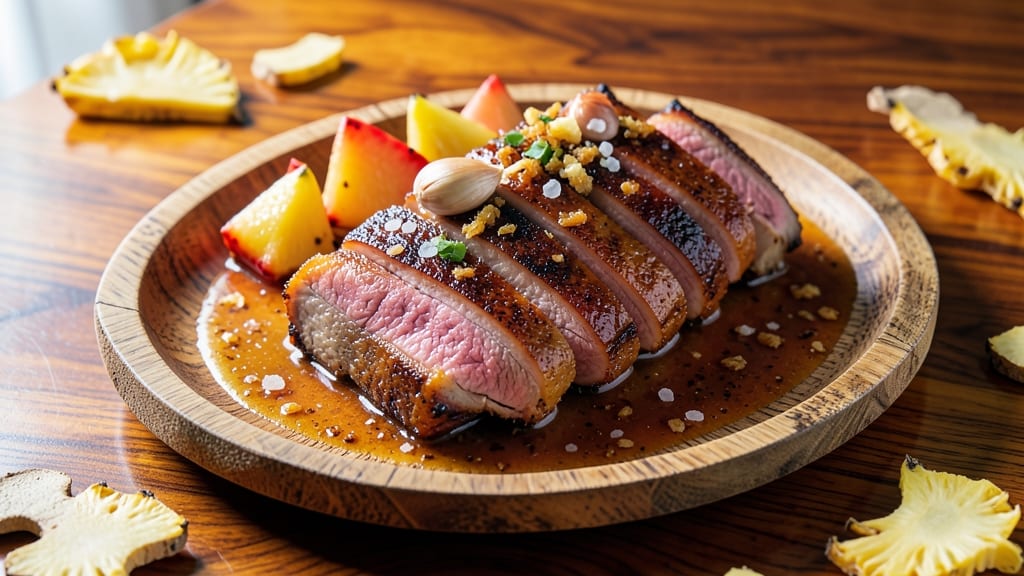
This Mo Bettahs Kalua Pork recipe transforms the classic Hawaiian dish into a slow-cooked masterpiece with rich pineapple braising and deep smoky flavors. 🔥 Growing up in Georgia, I learned how pork shoulder becomes melt-in-your-mouth tender when cooked low and slow—this version builds on that tradition with a modern twist that keeps the soul of the original intact.
The crockpot method ensures even heat distribution, while the pineapple and Hawaiian salt blend create that signature sweet-savory balance.
The beauty of this recipe lies in its simplicity—just a few key ingredients work together to create restaurant-quality results at home. We're talking about tender, juicy pork that falls apart at the touch of a fork, infused with the bright acidity of pineapple and the warmth of garlic and ginger.
Unlike traditional methods that require hours in an imu pit, this version delivers the same depth of flavor with minimal effort, perfect for weeknight dinners or weekend gatherings.
What makes this dish truly special is how it bridges two culinary worlds—Hawaiian tradition meets Southern comfort food. The slow cooking process develops complex flavors that you won't find in quick-cooked versions, while the pineapple braising adds a tropical brightness that cuts through the richness.
This isn't just another pork recipe; it's a celebration of how simple ingredients can create something extraordinary when given time and care.
Whether you're serving this for a family dinner or bringing it to a potluck, the aroma alone will have everyone gathering around the table. The leftovers reheat beautifully, making this an ideal make-ahead meal.
Here's how to create this tender, smoky masterpiece that honors the original while making it accessible for home cooks.
Ingredients for mo bettahs kalua pork
Six key ingredients transform simple pork into melt-in-your-mouth Hawaiian-inspired tenderness.
| Ingredient | Amount | Notes |
|---|---|---|
| Pork Shoulder (Bone-In) 🐷 | 4 lb | Cut into 2-inch chunks, skin removed |
| Fresh Pineapple (Juicy) 🍍 | 1 ½ cups | Chopped, including juice (about 1 small pineapple) |
| Garlic Cloves 🧄 | 6 cloves | Smashed for deeper flavor |
| Fresh Ginger 🌿 | ½ cup | Finely grated, peeled |
| Hawaiian Sea Salt 🧂 | 1 ½ tbsp | Or Diamond Crystal kosher salt |
| Brown Sugar 🍚 | ½ cup | Light or dark variety |
| Smoked Paprika 🌶️ | 1 tbsp | For authentic smoky depth |
| Ground Black Pepper 🌶️ | 1 tsp | Freshly cracked preferred |
| Olive Oil 🫒 | 2 tbsp | Extra-virgin for richness |
| Low-Sodium Soy Sauce 🍶 | 2 tbsp | For umami balance |
| Water 💧 | 1 cup | Or pineapple juice for extra flavor |
| Fresh Cilantro 🌿 | ¼ cup | Chopped, for garnish (optional) |
The pork shoulder is non-negotiable here—bone-in stays juicier, but Costco or local butchers often carry pre-cut pieces. Look for well-marbled cuts with even fat distribution. Fresh pineapple is a must for authentic flavor; Hawaiian-grown (like Dole) has the best balance of sweetness and acidity. If you can't find it, Del Monte Gold works in a pinch. The ginger and garlic should be vibrant—no shriveled roots or dried cloves. For the Hawaiian salt, Maui Sea Salt is ideal, but any kosher salt will do if you're in a hurry. Smoked paprika adds that signature depth without overpowering.
No pineapple? Mango chunks or apple juice can mimic the sweet-tart profile, though it won't be identical. Substitute brown sugar with coconut sugar or maple syrup for a deeper caramel note. The soy sauce can be swapped for coconut aminos if you're avoiding sodium. For extra smokiness, add 1/2 tsp liquid smoke or a halved smoked paprika packet. If you're short on time, pre-minced garlic and ginger from the refrigerated section work fine—just rinse them first. The olive oil should be extra-virgin; California varieties like Bertolli or Filippo Berio add a pleasant fruity note that complements the dish.
This dish tastes even better the next day, so make it ahead if possible. Store in an airtight container in the fridge for up to 4 days, or freeze portions for 3 months. For serving, transfer to a slow cooker or Dutch oven and reheat on low. The pork should be fork-tender—if it's still slightly firm, cook another 30 minutes. Garnish with fresh cilantro just before serving, as it wilts quickly. Leftovers reheat beautifully in the microwave or oven; just add a splash of water or pineapple juice to prevent drying out.
Why You'll Love This Recipe
- One-Pot Magic: The bone-in pork shoulder and pineapple juices all nestle together in the same pot—no extra bowls, no extra stress. I swear by this: throw everything in, cover it, and walk away. That’s it.
- Sweet-Savory Crunch: The fresh ginger and garlic caramelize into the pork, while the pineapple’s tang cuts through the richness like a bright summer breeze. Honestly, the first bite makes me pause mid-chew—it’s that good.
- Weeknight to Party: Same recipe, totally different vibes: lazy Sunday dinners or potlucks where I bring the star. The pork stays tender whether you serve it shredded over rice or straight from the pan with crusty bread.
- Leftovers That Win: This isn’t one of those dishes where leftovers taste sad. The flavors deepen overnight, and reheated slices? Still juicy, still packed with that smoky-sweet punch. My freezer’s full of it—because I can’t resist.
Step-by-step instructions for mo bettahs kalua pork
Transform tough pork shoulder into fork-tender perfection using this slow-cooked Hawaiian technique.
🔥 Step 1: Sear the Pork for Maximum Flavor
Heat a large skillet over medium-high heat until hot. Add the 2 tablespoons olive oil and let it shimmer for 30 seconds. Working in batches, add the 4 lb pork shoulder (bone-in) cut into 2-inch chunks (skin removed) and sear for 2-3 minutes per side until deeply browned.
Here's the thing—this searing step builds layers of flavor that the slow cook won't create alone. You'll see the chunks develop a rich mahogany crust, and that's exactly what you want. If your pan gets crowded, work in batches to avoid steaming instead of searing. Transfer the browned pork to your crockpot as you finish each batch.
🥘 Step 2: Build the Smoky Pineapple Braising Liquid
In the same skillet (no need to clean it—those browned bits are flavor gold), add the 6 smashed garlic cloves and 0.5 cup finely grated fresh ginger. Cook for 1 minute until fragrant—you should smell that garlic releasing its sweet aroma. Immediately add the 1.5 cups chopped fresh pineapple (juicy) and cook for another 2 minutes until the pineapple softens slightly.
Transfer this aromatic mixture to the crockpot with the pork. Add the 1.5 tablespoons Hawaiian Sea Salt, 0.5 cup brown sugar, 1 tablespoon smoked paprika, 1 teaspoon ground black pepper, 2 tablespoons low-sodium soy sauce, and 1 cup water. Stir gently to combine, making sure the pork chunks are well-coated with the liquid.
⏰ Step 3: Slow Cook to Fork-Tender Perfection
Place the lid on your crockpot and cook on low heat for 8 hours. This long, slow cook time is what transforms tough pork shoulder into melt-in-your-mouth tenderness. I know it seems like forever, but trust the process—this is where the magic happens.
About 2 hours into cooking, you'll notice the liquid reduces significantly and the pork starts absorbing all those wonderful flavors. The pork is done when it easily pulls apart with two forks and the internal temperature reaches 203°F. If you're short on time, you can cook on high for 5-6 hours, but low and slow gives you the best texture.
👨🍳 Step 4: Shred and Prepare for Serving
Once the pork is tender, carefully remove it from the crockpot and shred it using two forks. You want the pork to come apart easily—if it's still holding together, return it to the pot with the juices and cook for another 30 minutes on low. Discard any large fat pieces that don't shred easily.
Return the shredded pork to the crockpot with all the juices and stir gently. The cooking liquid should now be thick and syrupy, with all that pineapple sweetness and smoky depth. Taste and adjust seasoning if needed—you might want to add a touch more salt or a splash of pineapple juice to balance the flavors.
🍽️ Step 5: Garnish and Serve
Ladle the kalua pork onto serving plates, making sure each portion gets plenty of that delicious braising liquid. Garnish with the 0.25 cup chopped fresh cilantro (if using) and serve immediately with steamed rice or Hawaiian rolls. The pork should be so tender it nearly falls apart at the touch, with that perfect balance of smoky, sweet, and savory flavors.
This dish tastes even better the next day, so if you have leftovers, store them in the refrigerator for up to 3 days. The flavors continue to develop as they rest, making each bite even more delicious. Enjoy your homemade kalua pork—it's worth every minute of the slow cook!
Pro Tips For Making Mo Bettahs Kalua Pork
- SEAR THE PORK FIRST: I learned this the hard way—skipping the sear means your kalua pork will taste like it’s missing something. Get that pork shoulder screaming hot in a cast-iron or heavy pot for 5-7 minutes per side until it’s deep golden. The crust locks in flavor and keeps the meat from drying out later.
- USE FROZEN PINEAPPLE: Sounds weird, but it works: frozen chunks release juice exactly when you need it. Toss a handful of frozen pineapple into the pot with the fresh—no extra liquid to strain, no soggy mess. Just let it thaw slowly in the heat, and you’ll get that perfect balance of sweetness and moisture.
- DON’T OVERCROWD THE POT: I’ve seen people cram everything in there like it’s a pressure cooker, and the pork ends up steaming instead of caramelizing. Leave at least an inch of space between the pork and the lid—this lets the juices bubble and glaze properly. If it’s packed tight, you’ll end up with a watery, pale mess.
- SALT THE PINEAPPLE: My grandmother swore by this, and she was right: toss your pineapple chunks with a pinch of Hawaiian sea salt before adding them to the pot. It cuts through the sweetness and adds depth to the sauce. Skip this, and your dish will taste like dessert instead of kalua pork.
Wine and beer pairings for this recipe
Tropical Beer Pairings
For this pineapple-braised pork, I reach for Hawaiian lagers that complement the dish's sweet-savory balance. A crisp Kona Longboard Lager (from Hawaii) mirrors the pineapple's brightness while its light maltiness softens the smoky depth.
If you can't find Kona, Blue Moon Belgian White (with its citrusy notes) works beautifully—just avoid hop-heavy IPAs that would clash with the dish's richness. 🍺
Smoky Red Wine Choices
A Zinfandel from California (like Ravenswood) brings the perfect smoky, slightly jammy profile that echoes the dish's smoked paprika. The wine's acidity cuts through the pork's fat, while its fruitiness harmonizes with the pineapple.
For something lighter, a Grenache from Spain offers bright red fruit notes that won't overwhelm the dish's complexity. Avoid heavy Cabernets—they'd compete with the pork's tenderness.
Cocktail Pairing Perfection
My go-to cocktail is a Hawaiian Mai Tai—rum, lime, orgeat syrup, and a splash of pineapple juice. The rum's caramel notes enhance the pork's smokiness, while the lime brightens the pineapple.
For a non-alcoholic option, try pineapple ginger beer (like San Pellegrino Aranciata)—the ginger's spice mirrors the dish's heat, and the effervescence cleanses your palate between bites. ✨
Local Hawaiian Brews
If you're cooking in Hawaii, seek out Kona Brewing Company's Red Hawk Ale—its malty sweetness and subtle spice make it a natural match. For a local lager, Hawaiian Islands Brewing's Kona Gold offers a clean, refreshing finish that won't overpower the dish.
These regional options add an extra layer of authenticity to your meal, connecting you to the islands' culinary traditions.
Unexpected Pairing: Coffee
Yes, coffee! A lightly roasted Hawaiian Kona coffee (black or with a splash of cream) enhances the dish's smoky-sweet profile. The coffee's acidity balances the pork's richness, while its earthy notes complement the smoked paprika.
Serve it after the meal to let the flavors linger—it's a technique I picked up from Hawaiian luaus where coffee was traditionally served with pork dishes. 💫
Nutrition facts
Frequently asked questions
Can I substitute bone-in pork shoulder for boneless in this recipe?
You can use boneless pork shoulder, but bone-in is ideal for extra flavor and moisture. If using boneless, reduce cooking time by 30-45 minutes since it cooks faster. The bone helps retain juices, so boneless cuts may yield slightly drier results unless you add 2 tablespoons extra water to the crockpot.
What's the secret to making the pork extra tender?
The magic happens with low-and-slow cooking and proper seasoning. Cooking on low for 8 hours (or high for 5-6 hours) breaks down collagen into gelatin, creating melt-in-your-mouth texture. The Hawaiian salt and soy sauce also tenderize the meat while adding depth. Never skip the sear—it creates a flavorful crust that locks in juices.
Can I make this in an oven instead of a crockpot?
Preheat oven to 275°F and transfer the seared pork and braising liquid to a Dutch oven. Cover with foil and bake for 4-5 hours until fork-tender. For extra smokiness, add a smoked paprika packet to the liquid. The oven method gives you more control over temperature but requires occasional basting.
Why does my kalua pork taste too sweet or salty?
Balance is key! If it's too sweet, add 1 tablespoon soy sauce and a splash of pineapple juice to cut through. For saltiness, mix 2 tablespoons water with 1 teaspoon brown sugar and stir in. Taste as you go—adjust gradually. The pineapple's natural acidity should balance the sweetness, so don't overdo it with sugar.
How do I reheat leftovers without drying them out?
Reheat in the microwave with 2 tablespoons water or pineapple juice per cup of pork, covered, for 2-3 minutes on medium power. For oven reheating, cover with foil and bake at 300°F for 15-20 minutes. Never reheat dry—always add moisture to restore tenderness. Leftovers keep for 4 days in the fridge or 3 months frozen.