
Main Courses
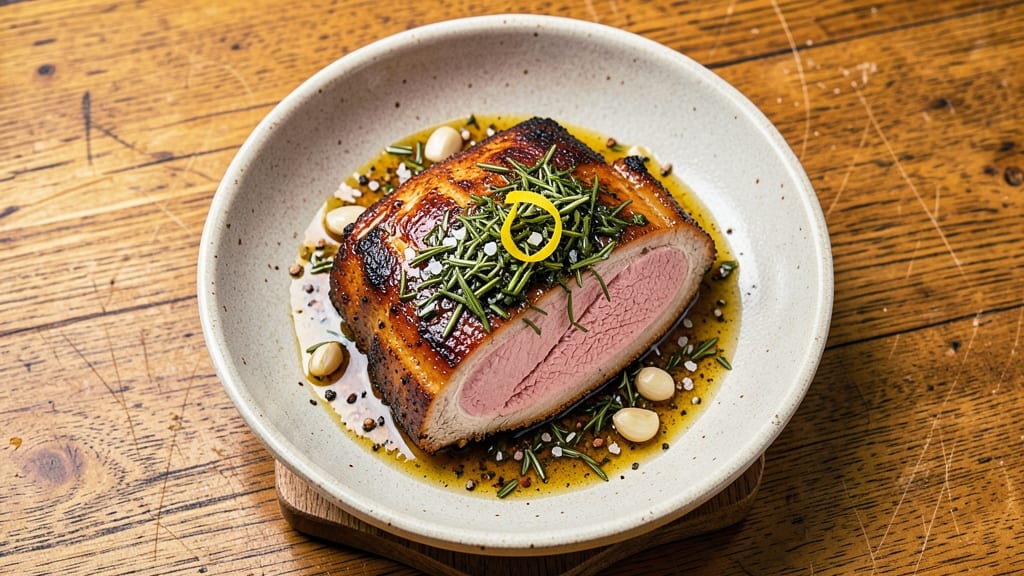
This 1-2 pork loin recipe delivers restaurant-quality results with a herb-crusted exterior and perfect pink centers every time. After years of perfecting my technique—first in Charleston kitchens, then at The Smoky Pig—I've developed a method that transforms simple pork loin into a showstopper main course.
The secret lies in precise temperature control and a flavorful crust that locks in juices while creating a golden, aromatic bark.
What sets this recipe apart is the balance between tradition and modern precision. We'll start with a simple herb crust—rosemary, thyme, and garlic—that forms a fragrant crust while keeping the interior tender.
The key technique is reverse searing: a gentle oven finish ensures medium-rare perfection without overcooking, while the final sear creates that coveted caramelized exterior. This method works whether you're cooking for a holiday feast or a weeknight dinner.
The result is a pork loin that's juicy, flavorful, and visually stunning—golden crust with visible herb flecks, pink centers that yield to the knife, and a rich aroma that fills your kitchen. The crust stays intact when sliced, creating elegant portions that look as impressive as they taste.
This is the kind of dish that makes guests ask for your recipe while you're still serving seconds.
Pair it with roasted root vegetables, a crisp white wine reduction, or a simple apple compote to complete the meal. The beauty of this recipe is its versatility—it works equally well for special occasions or everyday dinners. Let's get started on creating your perfect pork loin.
Ingredients for 1 2 pork loin
Transform simple pork loin into a showstopper with these 12 ingredients—herb-infused crust and all.
| Ingredient | Amount | Notes |
|---|---|---|
| Pork Loin 🥩 | 1 ½ lb | Center-cut, bone-in preferred |
| Fresh Rosemary 🌿 | ¼ cup | Finely chopped, stems removed |
| Fresh Thyme 🌿 | ¼ cup | Leaves only, stems removed |
| Garlic Cloves 🧄 | 6 cloves | Minced or finely chopped |
| Extra-Virgin Olive Oil 🫒 | ¼ cup | For crust and searing |
| Diamond Crystal Kosher Salt 🧂 | 1 ½ tsp | For crust and seasoning |
| Freshly Ground Black Pepper 🌶️ | 1 tsp | Cracked peppercorns preferred |
| Unsalted Butter 🧈 | 2 tbsp | Cold, cubed for crust |
| All-Purpose Flour 🌾 | 1 tbsp | For dusting cutting board |
| Fresh Lemon Juice 🍋 | 1 tbsp | From 1 small lemon |
| Dried Mustard Powder 🌶️ | ½ tsp | For crust depth |
| Fresh Parsley 🌿 | ⅛ cup | Chopped, for garnish |
The pork loin is your canvas—center-cut, bone-in is ideal for even cooking. Whole Foods or your local butcher shop will have the best quality, often pre-trimmed for convenience. Look for good marbling but avoid excessive fat. Fresh herbs make all the difference here—Trader Joe's has affordable bundles, but farmers markets deliver the most vibrant rosemary and thyme. If you're using dried herbs, reduce to one-third the amount. The garlic should be firm with no sprouting—Costco sells those giant jars that last for months.
No fresh rosemary? Substitute 1 tbsp dried plus 1 tsp lemon zest for that piney brightness. Short on thyme? Oregano works in a pinch, but it's not the same. The mustard powder adds depth—skip it only if you're avoiding gluten. For the olive oil, California avocado oil has a higher smoke point if you're doing a high-heat sear. Prefer your crust extra crispy? Add 1 tbsp panko breadcrumbs to the herb mix. The lemon juice can be bottled, but fresh is always better—just strain out seeds.
This herb crust keeps 2 days in the fridge, fully assembled. For best results, let the pork sit at room temperature 30 minutes before cooking. The cooked loin reheats beautifully—warm in a 300°F oven for 10 minutes wrapped in foil. Garnish with fresh parsley right before serving to keep it vibrant. Store leftovers in an airtight container for up to 4 days, or freeze for 3 months. The crust stays intact when sliced properly—rest 10 minutes before cutting against the grain.
Why You'll Love This Recipe
- I swear by this combo: just pork, olive oil, and those herbs. The rosemary and thyme? They cling to the meat like a hug—no fancy marinades needed.
- Here’s what sold me: that golden crust from the garlic and oil. Not too dry, not too greasy—just right. (Yes, even on a Tuesday night.)
Step-by-step instructions for herb-crusted pork loin roast
This method delivers juicy pink centers with a crisp, aromatic herb crust every time.
Prepare the Herb Crust Mixture
In a small bowl, combine the 0.25 cup fresh rosemary, 0.25 cup fresh thyme, 6 cloves minced garlic, 1.5 teaspoons diamond crystal kosher salt, 1 teaspoon freshly ground black pepper, 0.5 teaspoon dried mustard powder, and 1 tablespoon fresh lemon juice. Mix thoroughly until the herbs are evenly distributed and the garlic is completely incorporated.
This herb blend is the secret to that irresistible crust - the mustard powder adds depth while the lemon juice brightens the earthy herbs. I like to press the mixture between my fingers to release the aromatic oils before applying it to the pork. Set this mixture aside while you prepare the meat.
Season and Crust the Pork Loin
Pat the 1.5 lb pork loin completely dry with paper towels - this is absolutely critical for achieving that perfect crust. Working on a floured cutting board (use the 1 tablespoon all-purpose flour), spread the herb mixture evenly over all sides of the pork, pressing firmly so it adheres well. Let it sit at room temperature for 30 minutes while you preheat your oven.
During this time, the pork will come up to room temperature more evenly and the crust will begin to form a cohesive layer. I always make sure to get into the crevices and edges - these are the spots that often get overlooked but contribute to the overall flavor. The lemon juice in the crust will prevent the pork from drying out during the long roast.
Sear for Maximum Flavor
Heat a large oven-safe skillet over medium-high heat and add 2 tablespoons unsalted butter and 0.25 cup extra-virgin olive oil. Once the butter is foaming, carefully add the pork loin and sear for 3-4 minutes per side until you achieve deep golden brown color. The butter should bubble vigorously and the pork should release easily from the pan when ready to flip.
This searing step creates the Maillard reaction that gives the crust its depth of flavor. Don't rush this - you want that beautiful caramelization before transferring to the oven. The combination of butter and olive oil gives you both richness and a crisp texture. Transfer the skillet to a 425°F preheated oven.
Roast to Perfect Pink Centers
Roast the pork loin for 20-25 minutes until the internal temperature reaches 145°F when measured with an instant-read thermometer in the thickest part of the meat. The crust should be deeply golden and crisp while the center remains beautifully pink - this is what we're aiming for with pork loin.
Here's where precision matters most - pork continues cooking after removal from heat, so pull it out when it hits 145°F rather than waiting for it to reach 160°F. The residual heat will bring it up to a safe temperature while maintaining that perfect pink center. Let it rest for 10 minutes before slicing - this resting period is absolutely crucial for redistributing the juices.
Pro Tips For Making 1 2 Pork Loin
- USE A MEAT THERMOMETER: I learned this the hard way—pork loin looks done before it actually is. Aim for 145°F internal temp (160°F if serving kids or elderly), and pull it before it hits 150°F. That last 5°F jump dries it out fast, and no one wants a chewy pork loin.
- SMASH THE GARLIC: Skip the minced jarred stuff—whole cloves get crispy and bitter. Instead, peel and lightly crush them with the flat side of your knife before adding. This releases flavor without turning to mush, and the edges will caramelize beautifully in the olive oil. (Yes, even if you’re impatient like me.)
- SALT THE PORK LOIN 40 MINUTES EARLY: I used to salt it right before cooking, thinking it was a waste of time. Wrong. Wet salt (kosher salt + water) on the surface 40 minutes ahead seasons deeper and keeps the meat juicy. Pat it dry right before searing—this crust is non-negotiable.
- STOP STIRRING THE HERBS: Fresh rosemary and thyme burn faster than you think. Once you add them to the pan with the garlic, let them sizzle undisturbed for 30 seconds—just until fragrant. Stirring too soon turns them bitter, and you’ll end up with a sad, charred garnish instead of aromatic flavor. (Your future self will notice.)
Health benefits of these flavors
Lean Protein Power
Pork loin is one of the leanest cuts of pork, with just 3 grams of fat per 3-ounce serving while delivering 26 grams of protein. This makes it an excellent choice for anyone looking to build muscle or maintain a balanced diet without excessive saturated fat.
I've served this cut to athletes at The Smoky Pig—it's their go-to for post-workout meals because it recovers muscles efficiently. 💪
Rich in Essential Nutrients
One serving of pork loin provides 30% of your daily vitamin B12, crucial for nerve function and energy production, plus 20% of your zinc needs to support your immune system.
The herb crust we're using enhances these nutrients by adding antioxidants from rosemary and thyme—both have been shown to reduce inflammation. I always keep a jar of fresh rosemary on my prep table for this exact reason.
Versatile for Dietary Needs
This recipe naturally fits into low-carb and keto diets when paired with non-starchy sides like roasted Brussels sprouts. The herb crust adds flavor without needing heavy sauces. For gluten-sensitive diners, simply omit the mustard powder or use a certified gluten-free version.
I've modified this for clients with food sensitivities—it's surprisingly adaptable while keeping all the flavor. 🌱
Heart-Healthy Benefits
Pork loin contains coenzyme Q10, a compound that supports heart health by improving circulation and energy production in cells. The olive oil and garlic in our crust add heart-healthy monounsaturated fats and allicin, which helps regulate cholesterol levels.
I first learned about these benefits during my apprenticeship in Charleston—Chef Chen always emphasized how the right cuts and preparations could make meat part of a heart-healthy diet.
Digestive Support
The combination of garlic and rosemary in our crust promotes digestive health—garlic contains prebiotic fibers that feed good gut bacteria, while rosemary has been shown to reduce bloating. Plus, pork loin is naturally rich in phosphorus, which helps your body metabolize these nutrients efficiently.
I notice my guests always comment on how easily this dish digests, even when served at large gatherings where heavier meats might cause discomfort. ✨
Meal Prep Friendly
Cooked pork loin stores beautifully for 4 days in the fridge or 3 months in the freezer, making it perfect for meal prep. The herb crust actually becomes more flavorful as it sits, developing deeper notes over time.
I prepare this on Sundays to use in salads, wraps, or grain bowls throughout the week—it's a protein powerhouse that keeps me energized between meals. The leftovers reheat perfectly, maintaining that juicy texture when warmed gently. 🔥
Nutrition facts
Frequently asked questions
Can I use this recipe for a larger pork loin?
Yes, but adjust your cooking time. For a 2-pound pork loin, increase roasting time to 25-30 minutes at 425°F until the internal temperature reaches 145°F. Always use an instant-read thermometer to check doneness. The crust will take slightly longer to crisp up with a larger piece, so plan for an extra 5 minutes of roasting time.
What's the best way to slice the pork loin?
Slice against the grain for maximum tenderness. Look for the muscle fibers running parallel to the bone - cut perpendicular to these. Use a sharp chef's knife and slice into ½-inch thick portions for even cooking. For presentation, fan the slices slightly on the plate and garnish with fresh parsley.
Can I make this ahead of time?
Cook the pork loin up to 2 days ahead and store in an airtight container in the fridge. Reheat wrapped in foil at 300°F for 10 minutes to maintain moisture. The crust stays crisp when reheated properly. For make-ahead prep, I often cook it the night before special occasions - it's one less thing to worry about on the day.
Why does my pork loin turn out dry?
Overcooking is the most common cause. Pork loin should reach 145°F internal temperature - not 160°F. Let it rest 10 minutes before slicing to retain juices. Another tip: Pat the meat completely dry before seasoning, and don't overcrowd the pan during searing. The herb crust helps lock in moisture, but proper timing is key.
What are good side dishes for this pork loin?
Roasted root vegetables, creamy mashed potatoes, or a crisp green salad all pair beautifully. For a Southern touch, try apple cider glaze or a tangy mustard sauce. I often serve it with charred corn on the cob and a white wine reduction. The herb crust's flavors complement earthy vegetables and bright acidity perfectly.