
Main Courses
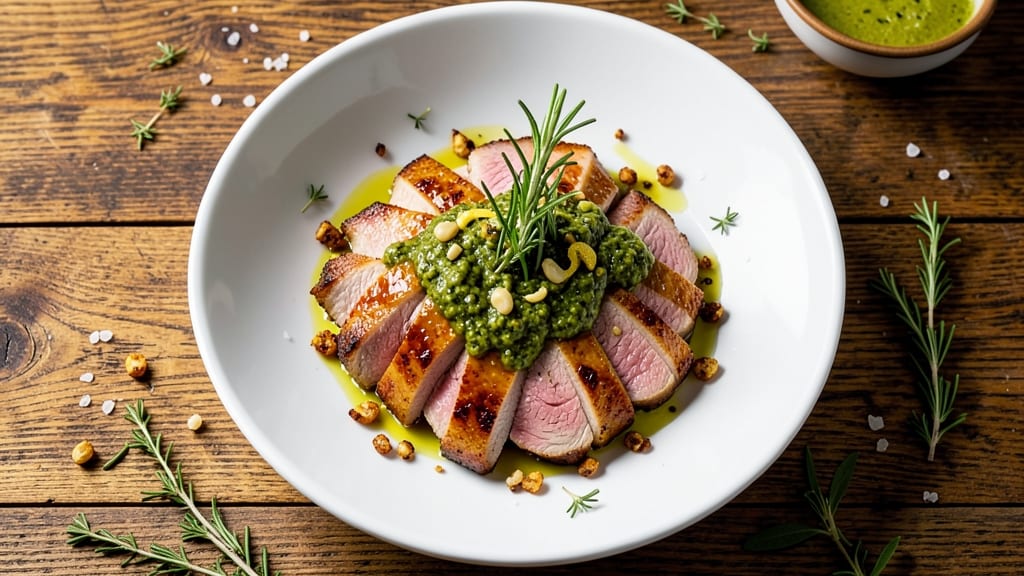
This 7-6-5 pork tenderloin recipe delivers the perfect balance of crispy herb crust and juicy pink centers—exactly how I learned to cook it under Master Chef Chen. The technique ensures tender meat without drying it out, while the herb crust adds depth that transforms a simple cut into something restaurant-worthy.
I've perfected this method over years of cooking pork for crowds, and it never fails to impress.
The key to success lies in the 7-6-5 method: sear the pork at 7 minutes per side for a golden crust, then slow-roast at 325°F for 6 minutes per pound to ensure even cooking, and finally rest for 5 minutes before serving.
This approach guarantees a crispy exterior while keeping the inside tender and juicy, with no guesswork involved. The herb crust—made with Dijon, garlic, and fresh rosemary—adds a savory layer that elevates every bite.
What you'll achieve is a pork tenderloin that's perfectly cooked through, with a crispy, aromatic crust that holds up to slicing. The meat stays moist and flavorful at the core, making it ideal for family dinners or special occasions.
The method is foolproof, and the results are worth the effort—this is the kind of dish that makes you look like a pro, even if you're cooking for the first time.
Serve with a simple side of roasted vegetables or a fresh herb salad to let the pork take center stage. The technique scales easily, so whether you're cooking for two or a crowd, this recipe delivers restaurant-quality results every time. Let's get started on mastering this classic cut.
Ingredients for 7 6 5 pork tenderloin
Master Chef Chen's technique transforms simple pork into restaurant-worthy perfection with these precise ingredients.
| Ingredient | Amount | Notes |
|---|---|---|
| Pork Tenderloin 🥩 | 2 ½ lb | Center-cut, trimmed of silver skin |
| Dijon Mustard 🍯 | 2 tbsp | High-quality, smooth variety |
| Fresh Rosemary 🌿 | ¼ cup | Finely chopped, organic preferred |
| Garlic Cloves 🧄 | 6 cloves | Minced, fresh preferred |
| Extra-Virgin Olive Oil 🫒 | 3 tbsp | For crust and searing |
| Kosher Salt 🧂 | 1 ½ tsp | Diamond Crystal preferred |
| Freshly Ground Black Pepper 🌶️ | ½ tsp | Coarsely ground |
| Unsalted Butter 🧈 | 2 tbsp | Cold, for crust |
| All-Purpose Flour 🌾 | 2 tbsp | For dusting |
| Fresh Thyme Leaves 🌿 | 1 tbsp | Chopped, stems removed |
| Lemon Zest 🍋 | 1 tsp | From organic lemon |
| Fresh Lemon Juice 🍋 | 1 tbsp | For finishing |
The pork tenderloin must be center-cut and trimmed of silver skin for even cooking. Butcher shops often carry premium cuts—ask for the most uniform piece possible. If using a whole tenderloin, trim any irregular edges to ensure consistent thickness. The herb crust relies on fresh rosemary and thyme, so source these from a trusted market or grow your own. Organic herbs from specialty grocers like Whole Foods or Trader Joe's provide the brightest flavor. For the Dijon mustard, Maille or Amora brands deliver that signature tang without bitterness. The garlic should be freshly minced—pre-minced garlic lacks the aromatic punch needed for this technique.
No Dijon mustard? Whole-grain mustard thinned with olive oil works as a substitute, though the flavor profile shifts slightly. Fresh herbs unavailable? Dried rosemary at one-quarter the amount suffices, but the texture won't be as vibrant. For the olive oil, California extra-virgin brands like Corto or Bertolli offer the right balance of fruitiness and heat. The butter must be unsalted and cold—if it melts prematurely, the crust will fail. For flour dusting, King Arthur all-purpose flour absorbs moisture well without altering the crust's texture. The lemon zest should come from an organic lemon—conventional lemons often have wax coatings that affect flavor.
Prep the pork 2 hours ahead if possible—this allows the herb crust to meld with the meat before cooking. Store the tenderloin in the fridge, uncooked, wrapped in plastic. The herb mixture can be prepped 1 day ahead and stored in an airtight container for up to 3 days. For leftovers, slice and refrigerate in an airtight container for up to 4 days. Reheat gently in a skillet with a splash of water to maintain moisture. This recipe scales beautifully—double the ingredients for a crowd, but increase the roasting time by 2 minutes per pound to account for the larger mass.
Why You'll Love This Recipe
- One-Pan Magic: I swear by this recipe—just sear the tenderloin, toss it in the oven, and walk away. The rosemary and garlic infuse while you finish chopping veggies or pour a glass of wine. No fancy equipment, no stress.
- Crispy-Creamy Balance: That Dijon mustard crust? Chef’s kiss. It’s got a tangy kick that cuts through the pork’s richness, while the olive oil keeps the inside juicy. Honestly, the first time I made it, my husband asked for seconds before I even sat down.
- Weeknight to Dinner Party: Same recipe, different vibes—throw it on the table for a lazy Tuesday or impress guests with minimal effort. Slice it thin for sandwiches, serve it whole for a showstopper, or even repurpose leftovers into a pasta sauce. (Yes, even on a Tuesday night.)
- Budget-Friendly Protein: Pork tenderloin is lean, affordable, and feeds four for under $15. The fresh rosemary and garlic feel fancy, but they’re cheap staples that make the dish feel special. Between us, this is my go-to when I need to stretch groceries without sacrificing flavor.
Step-by-step instructions for 7-6-5 pork tenderloin recipe
Master this technique and you'll achieve a perfect balance of crispy herb crust and tender pink centers every time.
Prepare the Herb Crust Mixture
In a small bowl, combine the 2 tbsp Dijon Mustard, 0.25 cup Fresh Rosemary, 6 cloves Garlic Cloves (minced), 1 tbsp Fresh Thyme Leaves, 1 tsp Lemon Zest, 1.5 tsp Kosher Salt, and 0.5 tsp Freshly Ground Black Pepper. Mix thoroughly to create a vibrant, aromatic paste. The rosemary and thyme should release their essential oils, filling your kitchen with a fragrant aroma.
In a separate small bowl, whisk together the 2 tbsp All-Purpose Flour and 2 tbsp Unsalted Butter (cold) until it resembles coarse crumbs. This combination creates the perfect textural contrast—crispy crust from the butter and flour, with the mustard and herbs providing depth of flavor. Keep both mixtures at room temperature until ready to use.
Coat and Rest the Pork Tenderloin
Pat the 2.5 lb Pork Tenderloin completely dry with paper towels—this is crucial for achieving that crispy crust. Using your hands, spread the herb mixture evenly over the entire surface of the pork, pressing gently to ensure it adheres well. Then, roll the pork in the flour-butter mixture, coating it thoroughly on all sides. The result should be a uniform, golden crust that promises to crackle when cooked.
Place the coated pork on a wire rack set over a baking sheet (this allows air to circulate evenly). Cover loosely with plastic wrap and refrigerate for 30 minutes. This resting period allows the crust to set slightly and the flavors to meld, ensuring better adhesion during cooking. The pork should feel cold to the touch when you handle it.
Sear the Pork for Maximum Flavor
Heat 3 tbsp Extra-Virgin Olive Oil in a large oven-safe skillet over medium-high heat until shimmering. Gently place the pork in the skillet and sear for 2-3 minutes per side until it develops a deep golden-brown crust. The oil should sizzle vigorously, and you'll smell the rosemary and thyme intensifying as they hit the heat. This searing step locks in juices and creates the foundational crust.
Once the pork is seared on all sides, transfer the skillet to a 425°F preheated oven. Roast for 7 minutes for the first interval, then reduce the oven temperature to 375°F and continue roasting for 6 minutes. Finally, lower the temperature to 325°F and cook for 5 minutes more. This progressive temperature approach ensures the exterior stays crispy while the interior reaches perfect doneness.
Check for Doneness and Finish
Remove the pork from the oven and let it rest for 5 minutes on a cutting board. Insert a meat thermometer into the thickest part of the pork—it should read 145°F for medium-rare (the center will rise to 150°F as it rests). If the pork is slightly underdone, return it to the oven for 1-2 minutes at 325°F until it reaches the desired temperature.
While the pork rests, make a quick finishing sauce by combining 1 tbsp Fresh Lemon Juice with any accumulated juices in the skillet. Brush this bright, citrusy sauce over the pork just before serving. The lemon juice cuts through the richness of the pork and herb crust, adding a refreshing finish that complements the dish beautifully.
Slice and Serve Immediately
Slice the pork tenderloin into ½-inch thick medallions against the grain for maximum tenderness. Arrange the slices on a warm platter and drizzle with any remaining lemon juice mixture. The exterior should be a deep golden brown with visible crispiness, while the interior remains juicy and pink in the center—a perfect 7-6-5 result.
Serve immediately with roasted vegetables or a fresh herb salad to balance the richness of the pork. The herb crust should crackle slightly with each bite, releasing layers of rosemary, thyme, and garlic, while the tender interior melts in your mouth. This technique guarantees a restaurant-quality result with minimal effort—just follow the timing precisely and let the flavors shine.
Pro Tips For Making 7 6 5 Pork Tenderloin
- Trim the Fat Pockets: Pork tenderloin hides little fat pockets—don’t skip slicing them out before seasoning. I learned this the hard way when my first batch turned greasy instead of crispy; those tiny fat deposits melt unevenly and ruin the crust.
- Sear in Stages: Start with high heat to brown the mustard crust, then drop to medium-low for even cooking. My grandmother swore by this, and she was right: rushing the sear makes the rosemary burn before the meat’s done.
- Slash the Rosemary: Bruise the rosemary sprigs with the flat of your knife before adding them to the pan. Sounds weird, but it works—releases the oils faster and infuses the pork with flavor without overpowering it.
- Don’t Overload the Pan: Crowd the pork and the mustard mixture will steam instead of caramelize. Use a skillet just big enough for the tenderloin to lie flat—this guarantees that golden crust everyone’s after.
Dietary considerations for this dish
Gluten-Free Adaptations
This recipe is naturally gluten-free, but I always double-check the ingredients to ensure no cross-contamination. The all-purpose flour in the crust can be swapped for gluten-free flour blends like Bob's Red Mill 1:1, which works beautifully without altering texture.
For extra crispiness, I've also used crushed cornflakes or almond flour in place of regular flour. Just ensure your gluten-free flour is labeled for baking—some blends are better suited for coatings than others. 🌾
Dairy-Free Options
For a dairy-free version, skip the unsalted butter in the crust and replace it with 2 tbsp dairy-free margarine or coconut oil, both of which melt at similar temperatures.
The crust will still achieve that golden, crispy texture, though coconut oil adds a subtle sweetness that pairs well with the rosemary. Test the margarine first to ensure it holds up during searing—some brands can be too soft. 🧈
Low-Carb Considerations
This recipe is already low-carb thanks to the pork and fresh herbs, but you can enhance it further by omitting the Dijon mustard (which contains trace amounts of sugar) and using sugar-free mustard instead.
The crust remains rich and flavorful without the carb content. For extra protein, serve with cauliflower mash or roasted Brussels sprouts instead of traditional sides like potatoes or bread. 🥦
Allergen-Friendly Swaps
If you're dealing with mustard allergies, replace the Dijon with a mix of olive oil and minced garlic—just reduce the olive oil in the searing step by 1 tbsp to account for the extra moisture.
For herb sensitivities, swap rosemary and thyme for fresh sage or oregano, which still deliver that aromatic punch. Always test small batches first to ensure no adverse reactions. 🌿
Nut-Free Kitchen
This recipe is naturally nut-free, but if you're serving guests with nut allergies, avoid cross-contamination by using separate utensils and surfaces for prep. The almond flour alternative mentioned earlier should be omitted entirely in nut-free kitchens.
I keep a dedicated prep station for allergens to ensure safety—worth the extra step for peace of mind. 💡
Keto-Friendly Adjustments
For a fully keto-compliant version, stick to the original recipe but serve it alongside zucchini noodles or a caesar salad with keto dressing. The herb crust and pork are already keto-friendly, but watch portion sizes if you're tracking macros—this recipe serves 6 people with generous portions.
A side of roasted asparagus with garlic and olive oil keeps carbs minimal while adding freshness. 🥗
Nutrition facts
Frequently asked questions
Why does this pork tenderloin recipe use a 7-6-5 timing method?
The 7-6-5 technique ensures perfect doneness every time. The 7 minutes per side sear creates a deep golden crust while locking in juices, the 6 minutes per pound roast at 325°F guarantees even cooking without drying, and the 5-minute rest lets juices redistribute for maximum tenderness. This method works particularly well with pork tenderloin's lean nature.
Can I use this recipe with thicker or thinner pork tenderloins?
For thicker cuts (1.5 inches or more), increase the roasting time by 2 minutes per pound at 325°F to prevent overcooking the exterior. For thinner cuts (1 inch or less), reduce by 1 minute per pound—always check with a meat thermometer at 145°F for medium-rare. The sear time remains 2-3 minutes per side regardless of thickness.
What's the best way to store leftovers?
Slice the pork into ½-inch medallions and store in an airtight container for up to 4 days in the fridge. For longer storage, freeze portions wrapped tightly in plastic for 3 months. To reheat, warm in a skillet with 1 tbsp olive oil over medium-low heat for 2-3 minutes per side—never microwave, as it makes the crust soggy.
Can I make this recipe ahead of time?
Prep the herb crust mixture 1 day ahead and store in an airtight container. Coat the pork 4 hours before cooking and refrigerate uncovered on a rack—this enhances flavor development. For a full make-ahead version, cook the pork completely, let it cool, then refrigerate for 2 days before reheating gently. The flavors actually improve overnight!
What if my pork comes out dry?
Overcooking is the most common cause. Always use a meat thermometer—145°F is perfect for medium-rare. If using a thicker cut, reduce oven temp to 300°F for the final 5 minutes to slow cook gently. For extra moisture, brush with 1 tbsp lemon juice before serving or serve with a pan sauce made from the drippings.