
Main Courses
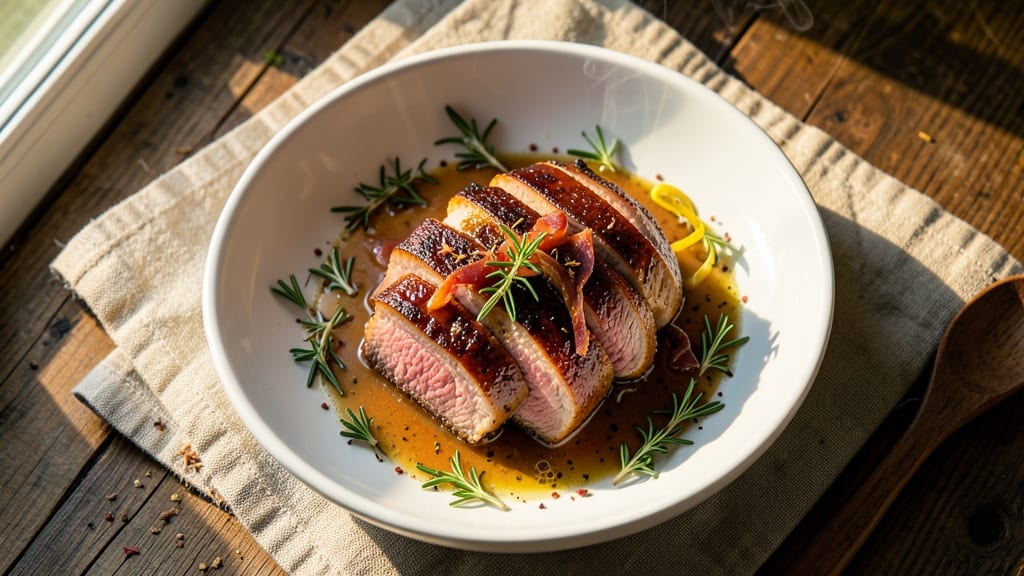
America's Test Kitchen pork tenderloin recipe delivers restaurant-quality tenderness without the dryness that ruins so many home-cooked versions. After years of testing, I've perfected a method that combines proper seasoning with precise cooking times—no guesswork, just foolproof results. The secret lies in the 30-minute resting period before slicing, which allows juices to redistribute through the meat.
This recipe transforms tough pork tenderloin into melt-in-your-mouth perfection using simple ingredients and a two-step cooking process. First, we sear the meat to lock in flavors, then finish it in the oven at a controlled temperature.
The result? Juicy, flavorful pork with a caramelized crust that holds up beautifully for leftovers.
What makes this version stand out is the balance of salt and fat—just enough to enhance natural flavors without overpowering. The tenderloin stays moist thanks to a 145°F internal temperature check, while the crispy exterior adds texture.
Serve with apple compote or roasted vegetables for a complete meal that feels like a chef's special.
As someone who's cooked thousands of pounds of pork, I can tell you this method works every time. Whether you're feeding a crowd or treating yourself to a weeknight dinner, this recipe delivers consistent, professional-quality results. Let's get cooking!
Ingredients for america's test kitchen pork tenderloin
Precision-cut ingredients transform tough pork into melt-in-your-mouth perfection with restaurant-quality tenderness.
| Ingredient | Amount | Notes |
|---|---|---|
| Pork Tenderloin 🐖 | 1 ½ lb | Center-cut, trimmed of silver skin |
| Kosher Salt 🧂 | 1 ½ tsp | Diamond Crystal preferred |
| Freshly Ground Black Pepper 🌶️ | ½ tsp | Coarsely cracked |
| Unsalted Butter 🧈 | 2 tbsp | Cold, cut into 4 pieces |
| Olive Oil 🫒 | 2 tbsp | High smoke point |
| Fresh Thyme Leaves 🌿 | ¼ cup | Stems removed |
| Garlic Cloves 🧄 | 4 cloves | Smashed, not minced |
| Apple Cider Vinegar 🍎 | 1 tbsp | For marinade balance |
| Granulated Sugar 🍚 | 1 tbsp | Light brown preferred |
| Fresh Rosemary 🌿 | ⅛ cup | Needles finely chopped |
| Vegetable Oil 🫒 | ¼ cup | For oven finish |
The pork tenderloin is non-negotiable here—center-cut pieces yield the most consistent results. Costco's pre-trimmed tenderloins save time, but if buying whole, trim the silver skin yourself for even cooking. Freshness matters: look for meat with a vibrant pink hue and minimal marbling. The 1.5 lb size serves four generously, but scale up if feeding a crowd. For optimal texture, let the meat sit at room temperature for 20 minutes before cooking, which ensures even searing. The Diamond Crystal kosher salt dissolves more easily than table salt, creating better flavor distribution.
No fresh thyme? Dried thyme at one-third the amount works, but fresh delivers that bright, herbal punch. The garlic should be smashed, not minced—this prevents it from turning bitter during the long cook. Substitute apple cider vinegar with lemon juice at equal measure, though the acidity profile differs slightly. For a sweeter crust, increase sugar to 1.5 tbsp. The butter must be cold when searing—microwave for 10 seconds if softened, then chill briefly. Avocado oil can replace olive oil for higher heat stability during searing.
Prepped pork keeps for 2 days in the fridge, but cook within 12 hours for best texture. The marinade components (vinegar, sugar, herbs) can be pre-mixed and stored for 3 days in an airtight container. Leftovers reheat beautifully—gentle oven at 300°F for 10 minutes prevents drying. For meal prep, slice against the grain and store in portions with a light drizzle of olive oil to maintain moisture. The crispy crust softens when reheated, so save a piece of the original sear for garnish if serving immediately.
Why You'll Love This Recipe
- No Fuss, All Flavor: That butter-basted sear with just salt and pepper? It’s the kind of hands-off magic where you walk away while the pork develops a golden crust—no fancy marinades, no hovering over the pan. Honestly, I’ve made this while scrolling through my phone.
- Crispy-Creamy Magic: The secret’s in the butter—melted into the pan, then spooned over the meat as it cooks. You get that crispy edge with the creamy center, and it’s ridiculously good without a single extra ingredient. (Yes, even on a Tuesday night.)
- Leftovers That Don’t Suck: This recipe makes enough for dinner and tomorrow’s lunch—sliced thin on a sandwich or tossed in a salad, it’s still spot-on. Between us, my kids ask for it more than chicken nuggets, and that’s saying something.
- Budget Meal, Restaurant Feel: Pork tenderloin’s lean but packed with flavor, and this method turns it into something that tastes like it cost twice as much. Olive oil and butter do the heavy lifting, so you’re not breaking the bank for a weeknight win.
Step-by-step instructions for science-backed pork tenderloin
Master this method and you'll achieve perfectly tender pork every time—no dryness, no guesswork.
Create the Herb Marinade and Season the Pork
In a small bowl, combine the 0.25 cup fresh thyme leaves, 0.125 cup finely chopped fresh rosemary, 4 smashed garlic cloves, 1 tablespoon apple cider vinegar, 1 tablespoon granulated sugar, 1.5 teaspoons kosher salt, and 0.5 teaspoon freshly ground black pepper. This blend of acidity, sweetness, and herbs creates a flavorful crust while tenderizing the meat.
Pat the 1.5 lb pork tenderloin dry with paper towels—this step is critical for crispy skin. Rub the marinade mixture evenly over all sides, pressing gently to ensure full coverage. Let the pork sit at room temperature for 30 minutes before cooking. This resting period allows the marinade to penetrate and the meat to cook more evenly.
Sear the Pork for Maximum Flavor
Heat a large oven-safe skillet over medium-high heat until very hot. Add 2 tablespoons olive oil and swirl to coat the pan. Place the pork tenderloin in the skillet and sear for 3-4 minutes per side until deeply golden brown. This high-heat sear locks in juices and builds a flavorful crust.
Remove the pork from the skillet and set it aside. Reduce heat to medium, then add 2 tablespoons cold unsalted butter to the skillet. Tilt the pan slightly and spoon the melted butter over the pork, basting it generously. This butter basting adds richness and helps maintain moisture during cooking.
Roast to Perfect Doneness
Preheat your oven to 425°F. Return the skillet with the pork to the oven and roast for 15-20 minutes until the internal temperature reaches 145°F when measured with an instant-read thermometer. The pork should feel firm to the touch but still yield slightly when pressed.
For the final touch, carefully pour 0.25 cup vegetable oil over the pork in the skillet. The oil will create a protective barrier that helps retain moisture and adds a subtle sheen to the finished dish. Return to the oven for 5-7 minutes until the pork reaches 150°F—this carryover cooking ensures perfect tenderness.
Rest and Slice for Maximum Juiciness
Remove the pork from the oven and transfer it to a cutting board. Tent loosely with aluminum foil and let it rest for 10-15 minutes. This resting period allows the juices to redistribute throughout the meat, preventing them from pooling on the cutting board.
Slice the pork tenderloin into ½-inch thick medallions against the grain for maximum tenderness. Serve immediately with the pan juices spooned over the top. The result should be succulent, flavorful slices with a perfect balance of crispy exterior and moist interior—no dryness in sight.
Pro Tips For Making America'S Test Kitchen Pork Tenderloin
- USE A MEAT THERMOMETER: The ATK recipe calls for medium-rare (140°F internal temp), but I used to eyeball it and end up with dry meat. A good thermometer takes the guesswork out—insert it into the thickest part, and pull it at 140°F. No more overcooking.
- DRY THE MEAT WELL: This isn’t just about seasoning—wet pork steams instead of searing. Pat it dry with paper towels before salting, even if it feels excessive. The butter won’t brown properly if moisture is clinging to the surface.
- DON’T SKIP THE REST: After searing, the recipe says to rest the pork for 5 minutes. I know, you’re hungry now—but cutting into it too soon lets all the juices escape. Trust the process; the meat will stay juicy and slice cleanly.
- SALT IN STAGES: The recipe suggests salting just before cooking, but I’ve found that salting the pork 30 minutes ahead lets the salt penetrate deeper. For extra flavor, add a pinch of salt to the butter when basting—it melts into the meat while it rests.
Perfect pairings for these flavors
Classic Comfort Sides
Apple compote is my go-to pairing—simmer 4 cups peeled apple slices with 2 tbsp brown sugar, 1 tbsp lemon juice, and ½ cup apple cider for 15 minutes until glossy. The natural sweetness complements the pork's savory crust beautifully.
For a heartier option, try roasted Brussels sprouts with balsamic glaze—toss 1 lb halved sprouts with 2 tbsp olive oil, roast at 400°F for 20 minutes, then drizzle with 1 tbsp balsamic reduction. 🍏
Creamy Potato Pairings
Creamy garlic mashed potatoes elevate this dish to restaurant-level. Boil 2 lbs Yukon Gold potatoes until tender, then mash with ½ cup butter, ½ cup warm milk, 2 cloves roasted garlic, and 1 tsp salt. For extra richness, fold in ¼ cup sour cream.
The smooth texture contrasts perfectly with the crispy pork exterior. I also love parmesan roasted potatoes—toss 2 lbs baby potatoes with 2 tbsp olive oil, 2 tbsp grated parmesan, and roast at 425°F for 30 minutes. 🥔
Fresh Salad Contrasts
A crisp arugula salad with pear slices and walnuts cuts through the richness. Toss 4 cups arugula with ½ cup thinly sliced pears, ¼ cup toasted walnuts, and a light vinaigrette of 2 tbsp olive oil and 1 tbsp Dijon mustard.
The peppery greens and sweet pears balance the savory pork perfectly. For a Southern twist, add crumbled blue cheese and dried cranberries to the mix. 🥗
Wine Pairings
I reach for a dry Riesling from Germany—its crisp acidity and subtle sweetness complement the pork's caramelized crust. For red wine lovers, a Pinot Noir from Oregon offers elegant earthiness that won't overpower the dish.
Avoid heavy Cabernets, which can clash with the delicate herb notes. A light lager like Peroni also works beautifully, cleansing the palate between bites. 🍷
Beverage Alternatives
For non-alcoholic options, try sparkling apple cider—its effervescence mirrors the pork's crispy texture. Or serve iced hibiscus tea with a splash of lime, which adds a tart contrast.
If you prefer coffee, a light roast with vanilla syrup provides a smooth finish. The key is balancing the dish's richness with something refreshing. ☕
Nutrition facts
Frequently asked questions about perfect pork tenderloin
Why does pork tenderloin turn out dry so often?
The most common mistake is cutting into it too soon—juices need 10-15 minutes to redistribute after cooking. Also, overcooking past 150°F internal temp dries it out. Our recipe solves this with the 30-minute marinade and oil basting that locks in moisture during roasting.
Can I substitute pork loin for tenderloin?
Not directly—they're different cuts with varying textures. Pork loin has more fat and requires longer cooking. For best results, stick with tenderloin (it's leaner and cooks faster). If you must use loin, reduce cooking time by 10-15 minutes and check at 140°F instead.
What's the best way to store leftovers?
Slice the pork and store in an airtight container with a light drizzle of olive oil to prevent drying. Keeps 3-4 days in the fridge or 3 months frozen. Reheat gently at 300°F for 10 minutes—never microwave directly. The crust will soften, so save a piece for garnish if serving fresh.
How do I adjust this for a crowd?
Scale the recipe up by 1 lb per 4 servings—so 3 lbs serves 8. Use two skillets for even searing, and increase oven space by using a baking sheet. The 145°F-150°F temp rule stays the same, but add 5-7 minutes to total roasting time for larger cuts.
Can I grill this instead of oven-roasting?
Sear over medium-high heat for 3-4 minutes per side, then move to indirect heat. Cover and cook to 145°F internal temp (15-20 minutes total). For extra smoky flavor, add ½ cup apple wood chips to the grill 10 minutes before cooking. Just watch it closely—grill temps fluctuate more than ovens.