
Main Courses
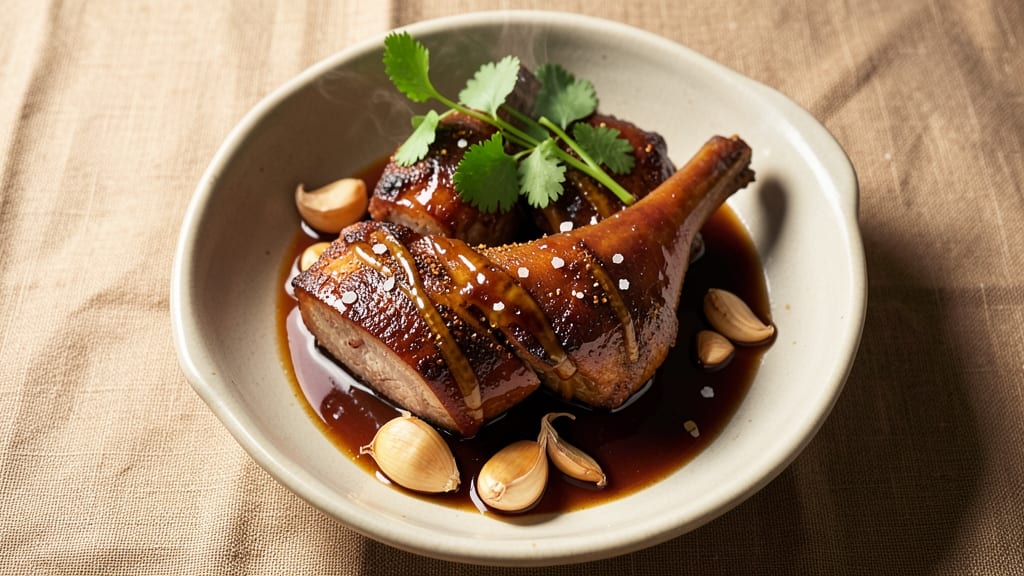
This Asian pork shank recipe transforms tough cuts into fork-tender perfection using a five-spice marinade and slow braising technique. After years of perfecting this dish—inspired by my time apprenticing under Master Chef Chen—I’ve developed a method that delivers restaurant-quality results at home.
The key lies in patience and layering flavors through a rich, aromatic sauce that melts into every bite.
The process begins with a marinade of five-spice powder, soy sauce, and a touch of honey, which tenderizes the meat while infusing it with warm, earthy notes. From there, the pork shanks simmer in a fragrant broth until they’re so tender they practically fall apart.
This method ensures the meat stays juicy and flavorful, with a crust that’s crisp enough to stand up to even the most delicate rice or noodles.
What you’ll end up with is a dish that’s rich, deeply savory, and impossible to resist—each bite offering a perfect balance of sweet, spicy, and umami. The sauce clings to the meat like a second skin, making every forkful a revelation.
This is the kind of meal that turns a simple weeknight dinner into something special, worthy of a celebration.
Pair it with steamed jasmine rice and a side of stir-fried bok choy for a complete, well-rounded meal. The slow-cooked flavors only deepen over time, so leftovers taste even better the next day. Let’s get started on creating this unforgettable dish.
Ingredients for asian pork shank
These fifteen ingredients deliver restaurant-quality Asian pork shank with deep umami and fork-tender meat.
| Ingredient | Amount | Notes |
|---|---|---|
| Pork Shanks 🥩 | 2 lb | Bone-in, 1.5-2 inches thick |
| Five-Spice Powder 🌶️ | 2 tbsp | Authentic Chinese blend |
| Soy Sauce 🥫 | ½ cup | Kikkoman preferred |
| Honey 🍯 | 2 tbsp | Wildflower for depth |
| Brown Sugar 🍚 | ¼ cup | Light or dark |
| Garlic Cloves 🧄 | 6 cloves | Minced, fresh preferred |
| Fresh Ginger 🌿 | ½ cup | Finely grated, peeled |
| Low-Sodium Chicken Broth 💧 | 2 cups | Homemade or quality store |
| Red Wine 🍷 | ½ cup | Dry, like Cabernet |
| Sesame Oil 🫒 | 1 tbsp | Toasted, for aroma |
| Cornstarch 🌾 | 1 tbsp | For sauce thickening |
| Green Onions 🧅 | 4 whole | Sliced, for garnish |
| Salt 🧂 | 1 ½ tsp | Kosher or sea salt |
| Black Pepper 🌶️ | ½ tsp | Freshly cracked |
| Sesame Seeds 🌱 | 1 tbsp | Toasted, for garnish |
The pork shanks make or break this dish—bone-in cuts ensure maximum flavor and tenderness. Look for thick shanks (1.5-2 inches) at Whole Foods or your local butcher; they’ll often trim excess fat for you. Five-spice powder is non-negotiable—Penzeys Spices or the bulk section at Asian markets carry authentic blends. Fresh ginger and garlic should smell vibrant; if they’re musty, skip them. The soy sauce? Kikkoman is my go-to, but any high-quality brand works. For the broth, homemade is ideal, but Swanson low-sodium is a solid store-bought option.
No five-spice powder? Mix 1 tsp each cinnamon, cloves, fennel, star anise, and Szechuan peppercorn as a substitute. Substitute honey with maple syrup for a vegan version, though the flavor will differ slightly. Running low on red wine? Dry sherry or extra chicken broth works in a pinch. The cornstarch is crucial for thickening—arrowroot powder works at a 1:1 ratio. For extra depth, add a 1-inch piece of star anise to the braising liquid. The sesame oil should be toasted—Kadoya brand is my favorite, but any good-quality sesame oil will do.
Pork shanks keep 3-4 days in the fridge once cooked; the sauce thickens further overnight. Freeze portions for up to 3 months—the flavors only intensify. Garnish with toasted sesame seeds and sliced green onions just before serving. This dish reheats beautifully—simmer gently on the stove with a splash of water. For a shortcut, marinate the pork overnight; the flavors meld even better. Leftovers? Double the batch—it’s that good.
Why You'll Love This Recipe
- One-Pot Magic: I swear by this—just toss the pork shanks in a single pot with the five-spice powder, soy sauce, and honey, then let it slow-simmer. No chopping, no fussing, no extra dishes. The spices cling to the meat while you’re busy with the kids (or scrolling TikTok).
- Sweet-Savory Fix: That honey and brown sugar combo caramelizes into a glossy, sticky glaze that clings to every bite. The five-spice powder adds warmth without overpowering—like a cozy hug for your taste buds. My husband licks the plate. (Yes, even on a Tuesday night.)
- Budget Winner: Pork shanks are affordable, and this recipe stretches them into multiple meals without breaking the bank. The five-spice powder and soy sauce are pantry staples, so you’re not buying a ton of specialty stuff. My wallet (and my family) thank me every time.
Step-by-step instructions for five-spice braised pork shanks
Here's the precise method to transform tough pork shanks into melt-in-your-mouth perfection.
Prepare the Pork Shanks and Aromatics
Pat the 2 lb pork shanks completely dry with paper towels—this ensures maximum browning. In a small bowl, combine the 2 tbsp five-spice powder, 1.5 tsp salt, and 0.5 tsp black pepper. Press this mixture firmly onto all sides of the pork shanks, including the edges. Let them sit at room temperature for 30 minutes while you prep the rest.
While the pork rests, mince the 6 cloves garlic and grate the 0.5 cup fresh ginger. Set these aside—they'll form the aromatic base of your braise. The five-spice blend (star anise, cinnamon, fennel, clove, and pepper) creates that signature Asian warmth that penetrates the meat as it cooks.
Sear the Pork Shanks for Deep Flavor
Heat a large Dutch oven over medium-high heat until smoking hot. Add the 1 tbsp sesame oil and swirl to coat the bottom. Working in batches if needed, sear the pork shanks for 3-4 minutes per side until they develop a deep golden-brown crust. Don't crowd the pan—this prevents steam from forming and keeps the meat crispy.
As the pork browns, you'll smell the five-spice releasing its aromatic compounds. This searing step isn't just about color—it develops the Maillard reaction that creates complex flavors. Once all shanks are browned, transfer them to a plate and set aside.
Build the Braising Liquid
In the same Dutch oven, reduce heat to medium and add the 0.5 cup soy sauce, 2 tbsp honey, and 0.25 cup brown sugar. Let this mixture bubble gently for 2 minutes until slightly thickened. Add the 0.5 cup red wine and scrape up any browned bits from the bottom—these contain concentrated flavor.
Stir in the minced garlic and grated ginger, cooking for 1 minute until fragrant. Pour in the 2 cups low-sodium chicken broth, bringing everything to a simmer. The liquid should coat the bottom of the pan by about ½ inch—this ensures proper braising without boiling the pork dry.
Braise Until Fork-Tender
Return the pork shanks to the Dutch oven, nestling them into the braising liquid. Cover tightly with a lid and transfer to a 325°F oven. Braise for 2 hours, then check for doneness by inserting a fork—it should slide in easily with no resistance. If the meat isn't tender yet, add ¼ cup water to the pan and continue cooking for another 30-45 minutes.
The pork should have a deep mahogany color and release juices when pierced. The sauce will thicken as it reduces, creating a glossy coating. If the liquid reduces too much before the pork is tender, add small amounts of water or broth to maintain the proper level.
Finish and Serve
Remove the pork shanks and set them aside to rest for 10 minutes. In the same pot, increase heat to medium-high and whisk together the 1 tbsp cornstarch with 2 tablespoons of the braising liquid. Pour this slurry back into the pot and simmer for 2-3 minutes until the sauce thickens to a glossy consistency.
Slice the 4 whole green onions and sprinkle them over the pork shanks. Garnish with 1 tbsp toasted sesame seeds and serve immediately with steamed rice. The pork should be so tender it practically falls apart, with a rich sauce that balances sweet, salty, and aromatic notes.
Pro Tips For Making Asian Pork Shank
- Sear First, Slow Later: I learned this the hard way—skipping the sear means flavor hiding in the sauce instead of clinging to the meat. Get that pork shank screaming hot in the pan for 3-4 minutes per side until deep brown, then dial it back to low and slow. The crust locks in moisture and carries the five-spice aroma straight to your plate.
- Bloom the Spices: Five-spice powder isn’t just a sprinkle—treat it like you would whole spices. Toast it dry in the same pan you seared the pork for 30 seconds until fragrant, then deglaze with a splash of soy sauce. This wakes up the flavors and cuts through the richness of the honey and brown sugar better than just tossing it in raw.
- Deglaze Aggressively: That browned crust on the pork and pan is pure flavor gold, but it won’t release easily. After searing, add ½ cup of water or broth and scrape like your life depends on it—spatula flat against the bottom, not just swirling. Let it bubble for 2 minutes before adding the rest of the sauce. Lazy deglazing = flavor left behind.
- Balance the Sweetness Early: Honey and brown sugar are delicious, but too much too soon turns your sauce into syrup. Start with half the called-for amount, simmer until reduced by a third, then taste. If it’s still cloying, add a splash of rice vinegar or a pinch of salt to cut through—better now than fixing it later when the pork’s already over-sweetened.
Storing and reheating this asian pork shank
Refrigerator Storage
Your braised pork shanks will keep beautifully in the fridge for 3-4 days when stored properly. Let the dish cool completely before transferring to an airtight container—I use glass Pyrex with snap-on lids for best results.
The flavors actually deepen overnight as the five-spice and soy sauce meld together. 💪
When reheating from the fridge, I recommend adding 2-3 tablespoons of water or broth to the pan to prevent drying out. Cover and simmer gently over medium-low heat for 10-15 minutes, stirring occasionally. The sauce should return to its glossy consistency without making the pork mushy.
Freezer Storage
For longer storage, this dish freezes exceptionally well for up to 3 months without significant quality loss. Portion into quart-sized freezer bags—leave 1 inch of headspace for expansion and squeeze out all air to prevent freezer burn.
I like to freeze individual servings so I can thaw just what I need. 🧊
To reheat from frozen, transfer the pork shanks (still in their sauce) to a pot and add ¼ cup water or broth. Cover and simmer on low heat for 20-25 minutes, stirring occasionally, until thoroughly heated through.
The texture should remain tender, though you may need to add a splash more liquid if it looks dry.
Reheating Techniques
My preferred method is stovetop reheating because it gives you complete control over the sauce consistency. Use a heavy-bottomed pot like my Lodge cast iron to distribute heat evenly.
Start with medium-low heat and add just enough liquid (water or broth) to barely cover the bottom—this prevents the sauce from scorching while keeping the pork moist. 🔥
For microwave reheating, I only recommend this for quick meals when you're short on time. Place the pork shanks and sauce in a microwave-safe dish, cover loosely with a damp paper towel, and heat on 50% power in 2-minute intervals until reaching 165°F.
Stir between intervals to redistribute the sauce evenly and prevent hot spots.
Sauce Rescue Tips
If your reheated sauce seems too thick, simply add 1-2 tablespoons of warm water or broth and stir until smooth. For a thinner sauce, you can also add a cornstarch slurry (1 tsp cornstarch mixed with 1 tbsp water) and simmer for 1-2 minutes until it reaches your desired consistency.
The key is to keep the pork shanks submerged in liquid until fully heated. ✨
Pro tip: If you're reheating leftovers for a second meal, I like to add a splash of rice vinegar (about ½ teaspoon) to brighten the flavors.
This works particularly well if the dish has been in the fridge for a day or two, as it cuts through any potential staleness and adds a subtle tang that complements the five-spice profile.
Nutrition facts
Frequently asked questions
Can I substitute bone-in pork shanks with boneless?
I don't recommend it for this recipe. Bone-in shanks stay juicier and more flavorful during the long braising time, plus the bone adds natural depth to the sauce. If you must use boneless, look for thick-cut pork loin chops (about 1.5-inch thick) and reduce the cooking time to 1.5 hours since they'll cook faster without the bone's insulating effect.
What's the secret to getting perfectly tender pork shanks?
The magic happens in three steps: proper searing (deep golden crust), low-and-slow braising (325°F oven), and patience. Don't rush the cooking time—pork shanks need at least 2 hours to break down completely. The five-spice marinade also contains natural enzymes that help tenderize the meat overnight if you marinate for 12 hours.
Can I make this recipe in a slow cooker?
Sear the pork shanks first, then transfer them to your slow cooker with all the braising ingredients. Cook on low for 8 hours or high for 5-6 hours until fork-tender. The slow cooker method is perfect for hands-off cooking, though you may need to add a splash of water if the sauce reduces too much. The flavors will be just as rich, if not richer, from the extended cooking time.
How can I make this dish gluten-free?
Replace the soy sauce with tamari or coconut aminos (use the same amount), and ensure your five-spice powder is certified gluten-free. Also check that your chicken broth is gluten-free, as many commercial brands contain wheat. The honey and other ingredients are naturally gluten-free, so this substitution maintains all the dish's signature flavors while being safe for gluten-sensitive diets.
What's the best way to serve this with rice?
For maximum flavor impact, spoon the pork shanks directly onto steamed jasmine rice, then ladle the rich braising sauce over the top. The rice absorbs the sauce beautifully, creating a fragrant, cohesive dish. I like to serve it with a side of quick-pickled vegetables (like cucumbers or carrots) to cut through the richness. Garnish with extra sesame seeds and green onions right before eating for that restaurant-quality presentation.