
Main Courses
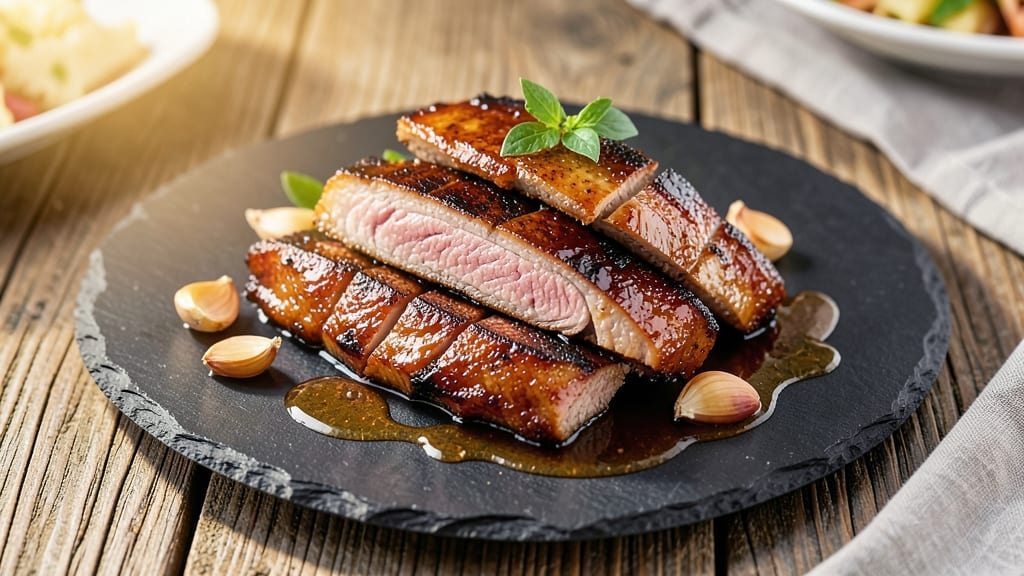
This barbecued pork strips recipe delivers smoky-sweet perfection that transforms simple cuts into restaurant-quality bites. 🔥 The secret lies in a marinade that tenderizes while building flavor, and a glaze that caramelizes beautifully on the grill.
I've been perfecting this technique for years, and it never fails to impress—whether you're feeding a crowd or treating yourself to a smoky, sticky delight.
The magic happens in two stages: first, the pork strips marinate overnight in a blend of sweet and savory ingredients that break down the meat while infusing it with deep flavor.
Then, a quick glaze of brown sugar and vinegar transforms the strips into caramelized, sticky perfection when they hit the grill. This method ensures tender meat with a crisp exterior that practically melts in your mouth.
By the time you're done, you'll have perfectly cooked pork strips with a glossy, caramelized glaze that sticks to every bite—no soggy sides here. The aroma alone will have everyone asking what's for dinner, and the flavor combination of smoky, sweet, and tangy delivers a balance that's impossible to resist.
Serve with classic sides like coleslaw or grilled vegetables for a complete meal.
What makes this recipe truly special is how it transforms inexpensive cuts into something extraordinary with minimal effort. The marinade does most of the work while you sleep, and the grilling process takes just minutes.
This is the kind of dish that makes you feel like a pitmaster without needing a commercial smoker—just a good grill and some patience. Let's get cooking!
Ingredients for barbecued pork strips
These 13 ingredients transform simple pork strips into smoky-sweet grill perfection.
| Ingredient | Amount | Notes |
|---|---|---|
| Pork Shoulder Strips 🍖 | 2 lb | Cut into 1-inch strips |
| Brown Sugar 🍯 | ½ cup | Packed, light or dark |
| Apple Cider Vinegar 🍎 | ¼ cup | For tangy depth |
| Soy Sauce 🥢 | ¼ cup | Low-sodium preferred |
| Honey 🍯 | ¼ cup | For sweet caramelization |
| Garlic Cloves 🧄 | 6 cloves | Minced for marinade |
| Ground Black Pepper 🌶️ | 1 tbsp | Freshly cracked |
| Smoked Paprika 🌶️ | 1 tbsp | For smoky flavor |
| Olive Oil 🫒 | ¼ cup | Extra-virgin for richness |
| Kosher Salt 🧂 | 1 ½ tbsp | Diamond Crystal preferred |
| Sweet Onion 🧅 | 1 whole | Thinly sliced for glaze |
| Fresh Ginger 🌿 | 1 tbsp | Grated, for glaze |
| Water 💧 | ¼ cup | For glaze consistency |
The pork strips are the star, so grab pork shoulder—it's cheaper than tenderloin and stays juicy. Look for cuts with good marbling at Costco or your local butcher. I usually buy a whole pork shoulder and cut it myself into 1-inch strips (about 12-15 pieces per pound), but pre-cut strips from the grocery store work in a pinch. The key is keeping them even-sized so they cook uniformly. For the marinade, Trader Joe's has great honey and apple cider vinegar, but any quality brand will do. Just make sure the honey isn't ultra-processed—look for raw or local varieties if possible.
No soy sauce? Coconut aminos work perfectly, though the flavor will be slightly different. Running short on honey? Maple syrup is a solid swap, but reduce other sweeteners slightly to balance. Fresh ginger is ideal, but ground ginger at half the amount gets you close. The smoked paprika is non-negotiable for that authentic barbecue flavor—don't skip it. If you're feeling fancy, add a pinch of cayenne pepper to the marinade for subtle heat. For the glaze, you can use white vinegar instead of apple cider vinegar, but the fruitiness of apple cider really elevates the dish. And if you're making this ahead, prep the marinade a day early—flavors meld better overnight.
Marinated pork strips keep 3 days in the fridge, fully submerged in their marinade. The glaze ingredients can be prepped a day ahead and stored in a sealed container. When grilling, these strips cook fast—about 8-10 minutes total—so keep them moving. For leftovers, store in an airtight container with a paper towel to absorb any moisture. They reheat beautifully on the grill or in a skillet with a splash of water. I like to freeze half the marinade in ice cube trays for quick future meals—just thaw and use as needed.
Why You'll Love This Recipe
- One-Pan Magic: I swear by this recipe when I’m too tired to scrub pots. Toss the pork strips in a bowl with brown sugar, vinegar, soy sauce, and honey—no fancy prep, just a quick toss and toss again. Thirty minutes later, you’ve got dinner without the cleanup.
- Sweet-Savory Balance: The brown sugar caramelizes into a sticky glaze while the apple cider vinegar cuts through the richness. That honey? It’s the secret—just enough to make every bite addictive, with a tangy finish that lingers.
- Tailgate or Taco Night: I’ve served these as finger food at backyard parties and shredded them into tacos on a Tuesday. The marinade works just as well cold as it does hot, so they’re my go-to for picnics, game days, or when I’m too lazy to cook.
- Budget Stretch: Pork shoulder strips are affordable, and this recipe makes enough for leftovers that taste even better the next day. Honestly, I double the batch on purpose—warm strips over rice, in sandwiches, or straight from the fridge. It’s my wallet’s best friend.
Step-by-step instructions for smoky-sweet pork strips
Here's how to transform simple pork strips into irresistible, caramelized bites with a glaze that clings perfectly.
👨🍳 Step 1: Marinate the Pork for Maximum Flavor
In a large bowl, combine the 2 lb pork shoulder strips, 0.25 cup olive oil, 0.25 cup soy sauce, 0.25 cup apple cider vinegar, 1 tbsp smoked paprika, 1 tbsp ground black pepper, 1.5 tbsp kosher salt, and 6 cloves minced garlic. Use your hands to mix everything thoroughly, ensuring the marinade coats every strip.
Transfer the pork to a resealable plastic bag and massage the marinade into the meat. Seal the bag and refrigerate for at least 4 hours or overnight. This long marinating time breaks down the meat fibers, making them tender and allowing the flavors to penetrate deeply. The pork should absorb the marinade completely, taking on a rich, reddish hue.
🔥 Step 2: Sear the Pork Strips for Perfect Texture
Remove the pork from the refrigerator 30 minutes before cooking to bring it to room temperature. Heat a large skillet over medium-high heat until it's smoking hot. Add the marinated pork strips in a single layer, being careful not to overcrowd the pan. Cook for 3-4 minutes per side until the pork develops a deep golden-brown crust.
Here's the thing—don't walk away. You want to see those edges start to crisp and pull away from the pan. If the pan gets too crowded, work in batches to maintain the high heat. The goal is to create a beautiful sear that locks in juices while giving you that irresistible caramelized exterior. Once the pork is browned, transfer it to a plate and set aside.
🍳 Step 3: Make the Sweet-Smoky Glaze
In the same skillet (no need to clean it—those browned bits are flavor gold), reduce the heat to medium. Add 1 whole thinly sliced sweet onion and sauté for 5 minutes until softened and slightly caramelized. Stir in 1 tbsp grated fresh ginger and cook for another 1 minute until fragrant.
Pour in the 0.5 cup packed brown sugar and 0.25 cup honey, stirring constantly until the sugar melts and the mixture begins to bubble. Add the 0.25 cup water and let it simmer for 3-4 minutes until the glaze thickens slightly. You're aiming for a consistency that coats the back of a spoon but still flows freely enough to cling to the pork.
🥘 Step 4: Glaze and Caramelize to Perfection
Return the seared pork strips to the skillet and spoon the glaze generously over them. Increase the heat to medium-high and cook for 2-3 minutes, stirring constantly to ensure every strip gets coated with the sticky-sweet glaze. Watch closely—the glaze should bubble and caramelize, forming a glossy, amber coating on the pork.
If the glaze starts to burn before the pork is fully coated, reduce the heat slightly. The pork is done when it's cooked through (internal temperature of 145°F) and the glaze has thickened into a beautiful caramelized sauce. You'll know it's ready when the strips are tender but still hold their shape, and the glaze has that perfect balance of sweet and smoky flavors.
🍽️ Step 5: Rest and Serve with Confidence
Transfer the glazed pork strips to a serving platter and let them rest for 5 minutes. This resting period allows the juices to redistribute, ensuring each bite is moist and flavorful. The glaze will continue to set slightly as it cools, creating that perfect balance between sticky and firm.
Serve immediately with the caramelized onions and any extra glaze spooned over the top. These pork strips are perfect for tacos, sandwiches, or simply enjoyed straight from the plate with a side of crusty bread to soak up that delicious sauce. The combination of smoky, sweet, and tangy flavors makes this dish unforgettable—every bite delivers that perfect balance of textures and tastes.
Pro Tips For Making Barbecued Pork Strips
- Marinate Overnight: I used to toss the pork strips in sauce and grill them right away—big mistake. Let them soak for at least 6 hours (or overnight) in the vinegar-soy-honey mix, especially if your strips are thicker than ½-inch. The acid and sugar break down the meat, making it tender and the sauce cling like a second skin.
- Dry the Strips: Pat those pork strips thoroughly with paper towels before hitting the grill. Wet meat steams instead of sears, and you’ll end up with soggy strips instead of caramelized edges. Trust me, the extra 30 seconds of drying saves you from a mushy mess.
- Watch the Sugar: Brown sugar burns faster than you’d think—especially when grilling. Brush it on after the strips have seared for 2 minutes, and keep a spray bottle of water nearby to dampen flare-ups. A quick mist keeps the sugar melting into a glossy glaze instead of turning into charcoal.
- Grill in Batches: Crowding the grill lowers the temp and steams the strips instead of browning them. Work in two batches if needed, even if it means waiting a few extra minutes. The difference between a crispy strip and a sad, greasy one is all in the space—give them room to breathe.
Regional styles of these flavors
Carolina-Style BBQ
Down in the Carolinas, pork strips take center stage with a vinegar-based sauce that cuts through the richness. I remember my first trip to a North Carolina pitmaster who used apple cider vinegar and brown sugar to create a tangy, caramelized glaze.
The secret? Cooking the pork low and slow over hickory wood until it's fall-apart tender, then finishing with a quick sear. For a true Carolina twist, add 1 tbsp hot sauce to the marinade and serve with cornbread on the side. 🔥
Texas-Style Smoked
Texas BBQ is all about bold flavors and big smoke. Here, pork strips get a smoky dry rub with 2 tbsp smoked paprika, 1 tbsp brown sugar, and 1 tsp cayenne before hitting the smoker. I love using post oak for that signature Texas smoke ring.
The strips cook at 225°F for 2-3 hours until tender, then get a quick brush with mop sauce (equal parts ketchup, apple cider vinegar, and brown sugar) before serving. Pair with white bread to soak up the juices.
Hawaiian-Style Teriyaki
For a tropical twist, swap the marinade for a Hawaiian teriyaki glaze made with ½ cup soy sauce, ¼ cup honey, 2 tbsp grated ginger, and 1 tbsp sesame oil.
Grill the pork strips over mesquite wood for a smoky depth, then brush with the glaze in the final 5 minutes of cooking. Garnish with sesame seeds and sliced green onions for a fresh finish. Serve with steamed jasmine rice and grilled pineapple for a true island feast. 🌺
Midwest-Style Sweet & Sour
The Midwest loves its sweet-and-sour flavors, and pork strips are no exception. Here, the marinade includes ½ cup ketchup, ¼ cup apple cider vinegar, and 2 tbsp Worcestershire sauce.
After grilling, toss the strips in a sweet-and-sour glaze of ½ cup brown sugar, ¼ cup vinegar, and 1 tbsp cornstarch to thicken. The result? A sticky, tangy-sweet coating that’s perfect for sliders or tacos. Serve with pickled onions for a bright contrast.
Southern-Style Blackened
For a Cajun-inspired kick, coat the pork strips in a blackening seasoning blend of 1 tbsp smoked paprika, 1 tbsp garlic powder, 1 tsp cayenne, and ½ tsp black pepper. Sear them in a cast-iron skillet over high heat until deeply blackened and crispy.
Finish with a remoulade sauce made from mayonnaise, Dijon mustard, and hot sauce. This version is bold, smoky, and packed with heat—ideal for po'boys or gumbo toppings. 🌶️
Nutrition facts
Frequently asked questions
Can I use boneless pork chops instead of pork shoulder strips?
Pork chops work but require adjustments. Cut them into ½-inch thick strips and reduce marinating time to 2 hours (they cook faster). The glaze will still work, but expect slightly less tender meat since chops are leaner. For best results, use pork loin cut into strips—it stays juicy and absorbs marinade well.
How do I prevent the glaze from burning before the pork is done?
Keep the heat at medium-high and stir constantly during the final 2-3 minutes of glazing. If it starts to darken too quickly, reduce heat to medium and add 1 tsp water to thin it slightly. The glaze should bubble gently, not smoke. A quick tip: Preheat your skillet thoroughly first—this helps the glaze caramelize evenly.
What's the best way to reheat leftover barbecued pork strips?
Reheat in a skillet over medium heat with 1 tbsp water or broth for 3-4 minutes to restore moisture. For crispiness, broil for 1-2 minutes (watch closely!). Microwaving works in a pinch, but it makes the glaze soggy. Pro move: Store leftovers with a paper towel between layers to absorb excess moisture.
Can I make this recipe in an air fryer instead of a skillet?
Yes, but with modifications. Toss marinated strips with 1 tsp cornstarch to help the glaze stick. Air fry at 375°F for 8 minutes, shaking halfway. Then brush with glaze and cook 3-4 more minutes until caramelized. The texture will be slightly less crispy than skillet-seared, but still delicious. Perfect for small batches!
Why did my pork strips turn out dry?
Most likely, they weren't marinated long enough or cooked too long. Pork shoulder needs 4+ hours in marinade to tenderize properly. For cooking, use a meat thermometer—pork strips are done at 145°F internal temp. Overcooking happens when strips sit too long after searing. Always rest them 5 minutes before serving to lock in juices.