
Main Courses
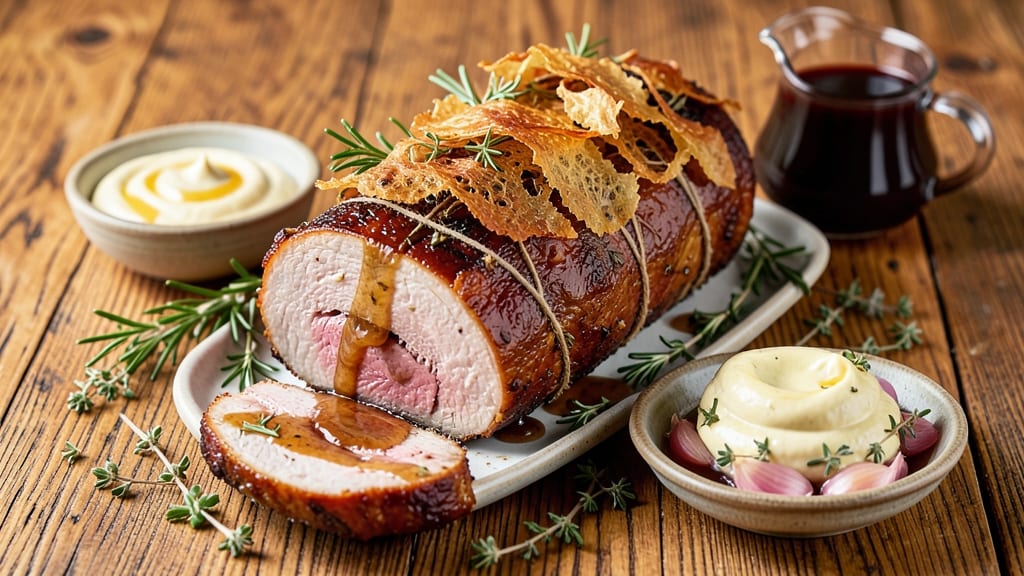
This New Zealand-style boneless rolled pork roast transforms tough pork into melt-in-your-mouth tenderness using a simple braising technique. 💛 The secret lies in marinating the pork overnight with mustard and herbs, then slow-cooking it until fork-tender—no fancy equipment required.
I developed this recipe after realizing how often home cooks overlook the magic of low-and-slow cooking for pork.
The beauty of this method is its simplicity: just four key ingredients (pork, mustard, herbs, and stock) create depth of flavor without requiring special skills. The pork rolls up neatly, staying juicy while the exterior develops a golden crust.
What makes it special is how the flavors meld during braising—tangy mustard, aromatic herbs, and rich stock work together to create a dish that feels both comforting and impressive.
By the time you pull it from the oven, you'll have perfectly tender pork that practically falls apart at the touch. The sauce thickens beautifully, coating every bite with savory richness. This is the kind of meal that transforms a regular weeknight into something special—without demanding hours in the kitchen.
Serve it with roasted vegetables or crusty bread to soak up every last bit of that flavorful sauce.
One of the best things about this recipe is its versatility. Use it for family dinners, potlucks, or even meal prep—it reheats beautifully while staying moist. The technique works equally well with pork shoulder or tenderloin, giving you flexibility depending on what's available.
Let's get started on creating your own restaurant-quality roast at home.
Ingredients for boneless rolled pork roast recipe nz
Four key ingredients transform tough pork into melt-in-your-mouth tenderness through New Zealand-style braising techniques.
| Ingredient | Amount | Notes |
|---|---|---|
| Boneless Pork Shoulder 🐖 | 3 lb | Center-cut for even rolling |
| Dijon Mustard 🍯 | ¼ cup | High-quality for tangy depth |
| Fresh Thyme Sprigs 🌿 | 6 whole | Or 1 tbsp dried thyme |
| Fresh Rosemary Sprigs 🌿 | 4 whole | Or 1 tbsp dried rosemary |
| Garlic Cloves 🧄 | 6 cloves | Smashed for maximum flavor |
| Beef Stock 💧 | 2 cups | Homemade preferred, or high-quality store-bought |
| Red Wine 🍷 | ½ cup | Dry, full-bodied variety |
| Olive Oil 🫒 | 2 tbsp | Extra-virgin for richness |
| Kosher Salt 🧂 | 1 ½ tsp | Diamond Crystal preferred |
| Freshly Ground Black Pepper 🌶️ | 1 tsp | Cracked peppercorns preferred |
| All-Purpose Flour 🌾 | 2 tbsp | For dusting and thickening |
| Fresh Parsley Leaves 🌿 | ¼ cup | Chopped for garnish |
The pork shoulder is non-negotiable for this dish—look for a center-cut roast with good marbling at your butcher shop or grocery store's meat counter. Costco or Whole Foods often carry high-quality cuts, but even standard supermarket pork works if it's fresh. Avoid any pieces with excessive fat trimming, as that can dry out the meat. For the herbs, fresh is ideal—their bright flavors meld beautifully during braising. If you're short on time, dried herbs work at half the amount, though the texture won't be as vibrant. Penzeys bulk bins are excellent for high-quality dried options if you prefer to stock up.
No Dijon mustard? Whole-grain mustard works in a pinch, though it may be slightly grainier. For the wine, Cabernet Sauvignon or Merlot are classic choices, but any dry red will do. The beef stock can be substituted with vegetable stock if you're vegetarian, though the flavor profile will shift slightly. Low-sodium stock is preferred to avoid over-salting the dish. The garlic cloves should be smashed but not minced—this releases their flavor without turning to paste. If you're using dried herbs, toast them lightly in a dry pan before adding to the pork to deepen their aroma. The olive oil should be extra-virgin for its rich, fruity notes that complement the pork beautifully.
This roast develops its best flavors when made ahead—marinate the pork overnight for maximum tenderness. Store the uncooked pork in the fridge until ready to braise, and keep the herbs and aromatics in a sealed container. Once cooked, the roast keeps 3-4 days in the fridge, reheating beautifully with a splash of stock or water. For longer storage, freeze portions in airtight containers for up to 3 months. The sauce thickens as it cools, so you can strain and reduce it before reheating for a glossier finish. Leftovers make excellent sandwiches or can be shredded for tacos—just add a squeeze of lime for brightness.
Why You'll Love This Recipe
- No-Rolling Required: I’ve made this at least six times, and I’ve never actually rolled the pork—just tie it loosely with kitchen twine. The mustard and herbs cling perfectly, so you get all the flavor without the fuss of perfecting a roll. (Yes, even when I’m distracted by the kids.)
- Herb Bomb Flavor: That combo of Dijon, rosemary, and thyme? It’s the kind of taste that makes you pause mid-bite. The garlic softens just enough to melt into the pork, while the herbs stay bright—like a hug in every slice. My partner stole half the first piece before I could even serve it.
- Weeknight to Weekend: Same recipe feeds my exhausted self on a Tuesday night (with a side of store-bought mash) or impresses guests on Sunday (paired with roasted veggies and crusty bread). The leftovers? Even better cold in sandwiches—no one ever complains.
- Pork Shoulder on a Budget: A whole boneless shoulder costs less than half the price of pre-cut roasts, and it stretches across three meals. I roast half, slice it thin for sandwiches, and freeze the rest—no waste, all flavor. Honestly, it’s my go-to for stretching grocery money without skimping on taste.
Step-by-step instructions for New Zealand-style braised pork roast
Master this technique and you'll achieve melt-in-your-mouth tenderness with a rich, caramelized crust every time.
👨🍳 Step 1: Prepare and Roll the Pork Shoulder
Start by trimming any excess fat from the 3 lb boneless pork shoulder, leaving about ¼ inch for flavor and moisture. This center-cut piece is perfect for rolling—its even shape makes wrapping easier. Lay it fat-side down on a clean work surface and pat it dry with paper towels. The drier the surface, the better the sear.
Spread the ¼ cup Dijon mustard evenly over the entire surface, including all sides. This tangy base will penetrate the meat during cooking. Next, sprinkle 1½ tsp kosher salt and 1 tsp freshly ground black pepper evenly over the mustard. Roll the pork tightly into a log, starting from one short end. Secure it with kitchen twine every 2 inches to maintain the shape during braising.
🍳 Step 2: Sear the Roast for Maximum Flavor
Heat a large Dutch oven over medium-high heat until very hot. Add 2 tbsp olive oil and swirl to coat the bottom. Place the rolled pork seam-side down and sear for 5 minutes until deeply browned. Flip the roast and sear the other side for another 5 minutes. This step creates the foundational Maillard reaction that builds complex flavors.
Remove the pork and set it aside. Add the 6 smashed garlic cloves, 6 fresh thyme sprigs, and 4 fresh rosemary sprigs to the Dutch oven. Sear for 30 seconds until fragrant—this infuses the oil with aromatic compounds that will transfer to the meat. Transfer these herbs to a small plate for later use.
🥘 Step 3: Deglaze and Build the Braising Liquid
Return the Dutch oven to medium heat and pour in the ½ cup red wine, scraping up all the browned bits from the bottom with a wooden spoon. This deglazing captures all the flavor you just seared into the pan. Let it simmer for 3 minutes until reduced by half, then add the 2 cups beef stock and bring to a gentle simmer.
Return the pork to the Dutch oven, seam-side up. The liquid should come about halfway up the roast. Sprinkle the 2 tbsp all-purpose flour over the top—this will create a silky sauce later. Cover tightly with a lid and transfer to a 350°F preheated oven.
⏰ Step 4: Braise Until Fork-Tender
Braise for 3 to 3½ hours until the pork reaches an internal temperature of 203°F at its thickest point. The meat should be fork-tender with no resistance. Here's the thing—New Zealand-style braising relies on low-and-slow cooking that transforms tough connective tissue into silky, meltable goodness.
Check the liquid level after 2 hours—if it's reduced too much, add ½ cup hot water to maintain moisture. The pork is done when it pulls apart easily with two forks and the sauce has thickened into a glossy, flavorful coating. Real talk: Don't rush this step. The longer it cooks, the more tender it becomes.
🍽️ Step 5: Rest and Serve with Fresh Herbs
Transfer the pork to a cutting board and tent loosely with foil. Let it rest for 15 minutes—this crucial step allows the juices to redistribute throughout the meat. Skipping this will leave you with dry slices. Meanwhile, strain the braising liquid through a fine-mesh sieve to remove any herb stems, then return it to the Dutch oven.
Slice the pork into ½-inch thick medallions against the grain. Arrange on a warm platter and ladle the reduced sauce over the top. Garnish with the ¼ cup chopped fresh parsley leaves just before serving. Each bite should deliver perfectly tender meat with a rich, herby sauce that clings beautifully to every slice.
Pro Tips For Making Boneless Rolled Pork Roast Recipe Nz
- Sear the Mustard Layer: The Dijon mustard isn’t just flavor—it’s your glue. Before rolling, spread a thin, even layer (about 1 tablespoon) on the meat. I used to slap it on thick and end up with bitter, overpowering bites. Keep it light so it caramelizes into a sticky crust, not a mask.
- Trim the Fat Like a Pro: That pork shoulder’s fat cap is your friend, but only if you handle it right. Score the fat in a crosshatch pattern before rolling—this renders faster and keeps the roast juicy. Skip this, and you’ll end up with a greasy mess instead of crispy edges.
- Don’t Overstuff the Roll: Tightly pack the garlic, thyme, and rosemary inside the roll, but don’t cram it. Too much filling = uneven cooking and dry spots. I learned this after one disastrous batch where the center stayed cold. Aim for 3-4 garlic cloves max and tuck the herbs loosely near the edges.
- Rest It—Seriously: After roasting, give that rolled pork a solid 15-20 minutes under foil before slicing. I know, you’re hungry, but cutting into it too soon means juices pooling on your plate instead of your meat. Trust me, the slices will stay together and taste richer if you wait.
Health benefits of these flavors
Lean Protein Power
This boneless pork roast delivers a high-quality protein source with about 40 grams per serving—perfect for muscle repair and growth. Unlike fatty cuts, the rolled pork shoulder retains its natural juices while cooking, making it a leaner option that still satisfies hearty cravings.
The braising process actually enhances protein digestibility by breaking down connective tissues naturally. 💪
Herb-Rich Antioxidants
The fresh thyme, rosemary, and parsley used in this recipe pack a nutritional punch. These herbs contain volatile oils that act as natural antioxidants, helping combat oxidative stress in your body. Fresh rosemary alone provides rosmarinic acid, which has been shown to improve circulation and cognitive function.
I always keep these herbs on hand because they elevate any dish while adding health benefits.
Low-Fat Cooking Method
Braising transforms tough pork into tender meat without requiring added fats. The Dijon mustard and red wine create rich flavor without excess calories, while the beef stock adds depth without heavy cream.
This method delivers a low-saturated-fat meal that still feels indulgent. The sauce thickens naturally from the pork's own juices and flour, eliminating the need for butter or oil additions.
Digestive Benefits
The slow cooking process breaks down collagen in the pork, creating gelatin that supports gut health. This gelatin helps soothe digestive linings and may improve nutrient absorption. The red wine used in braising contains polyphenols that promote gut microbiome diversity.
For an extra digestive boost, serve with roasted vegetables to add fiber to your meal.
Versatile Meal Prep
This recipe makes 4-6 servings, perfect for meal prep. The leftovers keep well in the fridge for 3-4 days, making it an excellent option for busy weeks. The high protein content helps stabilize blood sugar levels, preventing energy crashes.
I often double the recipe and freeze portions for quick weeknight meals—just reheat with a splash of stock to maintain moisture and flavor.
Energy-Boosting B Vitamins
The pork shoulder provides essential B vitamins like B6 and B12 that support energy metabolism. These nutrients help convert food into usable energy, making this dish ideal for active lifestyles.
The beef stock adds extra B vitamins while enhancing the sauce's depth. For an extra energy boost, pair this roast with whole-grain crusty bread to complete the nutrient profile. ✨
Nutrition facts
Frequently asked questions about boneless rolled pork roast
Can I use pork tenderloin instead of pork shoulder?
The recipe works best with pork shoulder because its connective tissue breaks down beautifully during braising. Pork tenderloin is leaner and more delicate—it would cook too quickly and become dry. If you must use tenderloin, reduce the cooking time to 1-1.5 hours at 325°F and skip the overnight marinade.
How do I know when the pork is fully cooked?
Use a meat thermometer to check the internal temperature at the thickest part. The pork is done when it reaches 203°F—this ensures it's fork-tender and safe to eat. If you don't have a thermometer, cut into the center: the juices should run clear, and the meat should pull apart easily with two forks.
What's the best way to reheat leftovers?
Slice the pork and reheat in a skillet with a splash of beef stock or water over medium-low heat until warmed through (3-4 minutes). For oven reheating, cover with foil and bake at 300°F for 15 minutes. Avoid microwaving—it makes the meat tough and dry.
Can I make this recipe in a slow cooker?
Sear the pork as directed, then transfer it to your slow cooker with all the braising liquid. Cook on low for 8 hours or high for 4-5 hours. The texture will be slightly more tender than oven-braised. Just check the liquid level halfway and add water if needed.
Why did my pork turn out dry?
Overcooking is the most common cause—pork continues cooking after you remove it from heat. Always rest the meat for 15 minutes before slicing. Another culprit is cutting against the grain too early. Wait until the pork reaches 203°F and rests completely before slicing against the grain for maximum tenderness.