
Main Courses
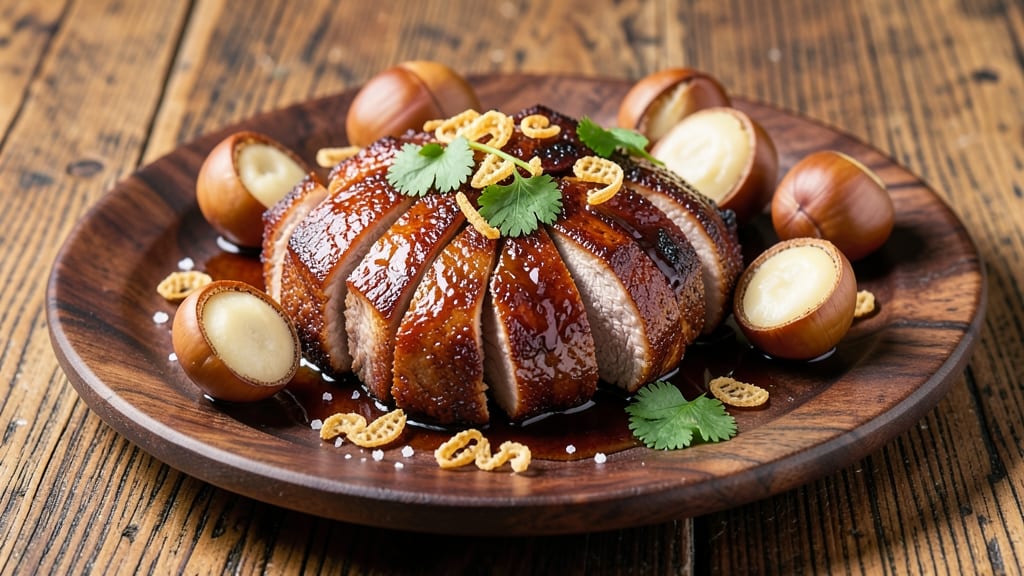
This Chinese chestnut pork recipe transforms humble pork shoulder into a fragrant, melt-in-your-mouth masterpiece—where five-spice warmth meets chestnut sweetness in perfect harmony. 🌟 I first discovered this technique during a visit to my grandmother's kitchen, where she'd slow-roast pork with chestnuts for holidays, creating a dish so rich it became a family tradition.
The secret lies in marinating the pork overnight with aromatic spices and chestnut paste, allowing flavors to meld deeply before a gentle braise transforms tough meat into tender perfection.
The result is a dish that bridges comfort and celebration—ideal for festive gatherings yet simple enough for weeknight dinners. The five-spice blend (star anise, cinnamon, cloves) infuses the pork with earthy depth, while chestnuts add natural sweetness that caramelizes beautifully during cooking.
This recipe delivers restaurant-quality results without requiring specialized techniques, making it perfect for home cooks eager to impress with authentic Chinese flavors.
By the time you serve this dish, your kitchen will smell like a bustling Beijing street market, and every bite will reveal layers of savory, sweet, and spiced complexity.
The pork becomes so tender it practically falls apart, while the chestnuts add a satisfying crunch that contrasts beautifully with the melt-in-your-mouth meat. Serve it over steamed jasmine rice or with a simple stir-fried green vegetable to complete the meal.
What makes this recipe truly special is its versatility—it works equally well for special occasions or casual family dinners. The leftovers reheat beautifully, making it an excellent make-ahead option for busy hosts.
Whether you're celebrating a holiday or simply craving a taste of home, this chestnut pork will become your new go-to Chinese comfort dish.
Ingredients for chestnut pork recipe chinese
Six aromatic ingredients and a pork shoulder transform into a fragrant masterpiece—where five-spice warmth meets chestnut sweetness in perfect harmony.
| Ingredient | Amount | Notes |
|---|---|---|
| Pork Shoulder 🐖 | 3 lb | Bone-in for flavor, cut into 2-inch chunks |
| Fresh Chestnuts 🌰 | 1 ½ cups | Peeled and roughly chopped |
| Five-Spice Powder 🌶️ | 2 tbsp | Homemade or store-bought blend |
| Soy Sauce 🥢 | ½ cup | Dark soy preferred for color |
| Shaoxing Wine 🍷 | ¼ cup | Substitute with dry sherry |
| Brown Sugar 🍚 | ¼ cup | Packed, for caramelization |
| Fresh Ginger 🧄 | 2 tbsp | Grated, aromatic and fresh |
| Garlic Cloves 🧄 | 6 cloves | Minced for aromatic depth |
| Honey 🍯 | 2 tbsp | For natural sweetness |
| Vegetable Oil 🫒 | 2 tbsp | For searing pork |
| Chicken Stock 💧 | 1 ½ cups | Homemade preferred |
| Star Anise 🌿 | 2 whole | For authentic aroma |
| Cinnamon Sticks 🌿 | 2 whole | For warm spice notes |
| Jasmine Rice 🍚 | 2 cups | Uncooked, for serving |
| Sesame Oil 🫒 | 1 tsp | For finishing aroma |
The pork shoulder is non-negotiable here—bone-in cuts deliver deeper flavor, and 3 lbs ensures generous leftovers. Look for well-marbled meat at Whole Foods or your local Asian market; the fat renders beautifully during cooking. Fresh chestnuts? Trader Joe's carries them peeled and ready in a jar, but if you're using fresh, peel them by scoring an 'X' on the flat side and roasting until soft. The five-spice powder should have a vibrant, earthy aroma—Penzeys or Spicewalla carry excellent blends, but homemade (star anise, cinnamon, cloves, fennel, and Szechuan peppercorns) is ideal if you're ambitious.
No Shaoxing wine? Dry sherry or even mirin works in a pinch, though the depth won't be identical. Substituting brown sugar? Maple syrup or agave adds moisture but lacks the caramelization. Fresh ginger and garlic are essential—dried loses its punch. For the chestnuts, if you can't find fresh, canned chestnut puree (like Ghirardelli) is a lifesaver. The chicken stock should be homemade if possible, but low-sodium store-bought is fine. Pro tip: Toast your spices (star anise, cinnamon) in the oil before adding them to the pork—that extra minute of blooming builds flavor layers.
This dish tastes even better the next day, so make it ahead—the flavors meld beautifully. Store in an airtight container in the fridge for 4-5 days, or freeze for up to 3 months. Reheat gently with a splash of water or stock to restore moisture. The chestnuts keep well in the freezer too—portion them out before cooking for convenience. For serving, steam the jasmine rice in a rice cooker or pot with a 1:1.5 rice-to-water ratio. The sesame oil should go in at the very end—just a drizzle over the finished dish for that signature aroma.
Why You'll Love This Recipe
- No-Chop Night: The pork shoulder goes in big chunks—no dicing, no fuss—and the chestnuts just need a quick roast. Honestly, I’ve made this while scrolling through my phone because it’s that hands-off.
- Five-Spice Magic: That earthy five-spice powder? It’s the secret weapon—warm cinnamon, star anise, and clove clinging to the pork like a hug. The Shaoxing wine cuts through the richness, leaving you with layers I can’t stop thinking about.
- Leftover Luxury: This tastes even better the next day, especially when reheated with a splash of water. I’ve turned Sunday leftovers into Monday lunch without breaking a sweat—proof it’s my lazy-day hero.
- Budget Feast: Pork shoulder stretches for miles, and chestnuts add luxury without costing a fortune. Between us, this is the kind of dish that makes grocery day feel like a win every time.
Step-by-step instructions for fragrant five-spice roast with chestnut sweetness
Here's how to transform humble pork shoulder into a fragrant, caramelized masterpiece with chestnut depth.
🔥 Step 1: Sear and Build the Flavor Base
Heat a Dutch oven over medium-high heat and add the 2 tablespoons vegetable oil. Once shimmering, add the 3 lb pork shoulder cut into 2-inch chunks, working in batches if needed. Sear undisturbed for 3-4 minutes per side until deeply golden brown—this creates that essential Maillard crust we're after.
Real talk: Don't rush this step. You'll know it's ready when the pork releases easily from the pan. Remove the pork and set aside, leaving all those flavorful browned bits in the pot. These bits, called fond, will form the base of our sauce later.
👨🍳 Step 2: Toast Aromatics and Chestnuts
In the same Dutch oven, add the 6 cloves minced garlic and 2 tablespoons grated fresh ginger, cooking for 30 seconds until fragrant—you should smell that bright, zesty aroma. Add the 1.5 cups roughly chopped fresh chestnuts and toast for 5 minutes until lightly browned and nutty.
Here's where it gets fun—toss in the 2 whole star anise and 2 whole cinnamon sticks, letting them sizzle for 1 minute. This releases their essential oils, infusing the dish with warm, aromatic depth. Remove the whole spices and set aside for garnish later.
🥘 Step 3: Deglaze and Simmer the Sauce
Pour in the 0.25 cup Shaoxing wine and scrape vigorously with a wooden spoon to deglaze, lifting all those browned bits from the bottom. Let it reduce by half, then add the 0.5 cup soy sauce, 0.25 cup packed brown sugar, 2 tablespoons honey, and 1.5 cups chicken stock. Return the pork to the pot, along with the toasted chestnuts.
Bring to a gentle simmer, then cover and transfer to a 300°F oven. Here's the thing—this low-and-slow cook is where the magic happens. Let it braise for 3-4 hours until the pork is fork-tender and pulls apart easily. The sauce should thicken and coat the pork beautifully.
🔥 Step 4: Finish with Five-Spice and Sesame
Remove the pork from the oven and increase heat to medium-high. Uncover the pot and let the sauce reduce by another third, about 10 minutes. Stir in the 2 tablespoons five-spice powder, letting it toast in the hot liquid for 1 minute—this intensifies the spice aroma dramatically.
Return the pork to the pot and spoon the fragrant sauce over it. Drizzle with 1 teaspoon sesame oil and garnish with the reserved star anise and cinnamon sticks. Let it rest for 15 minutes before serving, allowing the juices to redistribute throughout the meat.
🍚 Step 5: Serve Over Jasmine Rice
While the pork rests, cook the 2 cups jasmine rice according to package instructions. The rice should be fluffy and separate—this delicate texture balances the rich, caramelized pork perfectly.
To serve, spoon the pork and its fragrant sauce over the rice, garnishing with extra toasted chestnuts if desired. Each bite delivers that perfect harmony of sweet, spicy, and umami flavors we're after. The chestnuts add earthy depth, while the five-spice blend ties everything together in a cohesive, aromatic experience.
Pro Tips For Making Chestnut Pork Recipe Chinese
- Parboil Chestnuts First: Fresh chestnuts need a quick 5-minute boil in salted water before adding them to the pork—this softens them just enough to melt into the sauce without turning to mush. I learned this the hard way after serving a batch where half were still rock-hard; now I always do this step while the pork browns.
- Salt the Pork Overnight: Toss the pork shoulder in 1 tablespoon soy sauce and 1 teaspoon salt, then refrigerate for 8–12 hours. This keeps it juicy and lets the five-spice powder cling better when you sear it later. Yes, it’s an extra step, but the texture makes a real difference.
- Deglaze with Shaoxing Wine: After browning the pork, immediately splash in 2 tablespoons Shaoxing wine and let it sizzle for 30 seconds—this unlocks deeper flavor than just dumping it in later. I used to add it at the end, and the dish always tasted flat until I tried this.
- Simmer Low and Slow: Once everything’s in the pot, reduce heat to a bare simmer (tiny bubbles, not rolling) and cover for 2 hours. Rushing this step turns the sauce gluey, and the pork stays tough. Trust me, 20 minutes of patience here saves 30 minutes of fixing a dry mess.
Pro cooking tips for chestnut pork recipe chinese
Marinade Magic
Let the pork marinate overnight in a 50% Shaoxing wine, 25% soy sauce, and 25% honey blend with 1 tbsp five-spice powder and 1 tbsp grated ginger. I swear by this ratio—it tenderizes the meat while infusing it with those signature Chinese flavors.
Store the pork in a ziplock bag in the fridge, turning it every few hours for even penetration. Trust me, this step makes all the difference in texture and flavor. 🌟
Dutch Oven Secrets
Your Dutch oven isn't just a pot—it's the star of this recipe. Use a heavy-bottomed Dutch oven (like Le Creuset) to ensure even heat distribution during searing and braising. When searing the pork, work in single-layer batches to avoid steaming, which keeps the meat juicy.
And here's a pro move: After searing, add the chestnuts and aromatics directly to the hot pan—they'll toast beautifully while the pork rests.
Five-Spice Timing
Adding the five-spice powder at the very end is crucial. When you toast it in the reduced sauce for just 1 minute, it releases its full aromatic potential without overpowering the dish.
I learned this from my grandmother—she'd always say, "Spices are like perfume; too much and you ruin the scent." Keep it balanced, and let the other flavors shine through. The chestnuts will carry that earthy sweetness while the five-spice adds warmth.
Low-and-Slow Braising
This isn't a quick cook—3-4 hours at 300°F is non-negotiable for perfect texture. The slow braise breaks down collagen in the pork, transforming tough meat into melt-in-your-mouth perfection. I use an oven thermometer to monitor temperature, especially if your oven runs hot or cold.
The sauce should reduce to a glossy, thick consistency by the end—this is what coats each bite beautifully. 🔥
Chestnut Prep Shortcut
Peeling fresh chestnuts is a pain, but here's my shortcut: Score an "X" on the flat side, wrap in foil, and roast at 400°F for 20 minutes. The skins will peel right off—no fuss.
If you're using canned chestnut puree, mix it with 1 tbsp soy sauce and 1 tsp five-spice powder before adding to the braise. This mimics the texture and flavor of fresh chestnuts while saving you time.
Resting Like a Pro
Never skip the 15-minute rest after cooking. This lets the juices redistribute throughout the meat, ensuring each bite is moist and flavorful. I cover the pork with foil and let it sit on the counter—no need for a warmer.
The chestnuts stay warm while the pork reabsorbs its juices. This is where the magic happens, and it's a step I never, ever rush. Patience is key in Chinese braising techniques. ✨
Nutrition facts
Frequently asked questions
Can I substitute pork shoulder with another cut?
Pork shoulder is ideal for this recipe because of its fat content and collagen, which break down beautifully during braising. You can use pork butt (they're essentially the same cut) or pork loin in a pinch, but expect slightly less tender results. For best texture, stick with a cut that has some fat marbling—like pork belly—though it may require adjusting cooking time.
What if I can't find fresh chestnuts?
No problem! Use canned chestnut puree (like Ghirardelli) or even chestnut flour mixed with a little water to make a paste. For texture, toast 1 cup pecans or walnuts and add them during the braising stage. The flavor won't be identical, but it'll still add that nutty depth.
Can I make this recipe in a slow cooker?
Sear the pork and toast the aromatics as directed, then transfer everything to a slow cooker. Cook on low for 8 hours or high for 5-6 hours, adding 1/2 cup water if the sauce gets too thick. The slow cooker method is perfect for hands-off cooking, though the oven version gives slightly better caramelization.
How do I know when the pork is fully cooked?
The pork is done when it reaches an internal temperature of 203°F (or 195°F for more tender results) and easily pulls apart with two forks. If you don't have a meat thermometer, check by piercing the thickest piece—if juices run clear and the meat shreds easily, it's ready. Never rely on time alone, as ovens vary.
What sides pair best with this dish?
This rich pork pairs beautifully with simple, bright sides to balance its depth. Try steamed bok choy, stir-fried gai lan, or cucumber salad for freshness. For heartier meals, serve with egg fried rice or steamed jasmine rice with a drizzle of sesame oil. The contrast of textures and temperatures makes every bite exciting.