
Main Courses
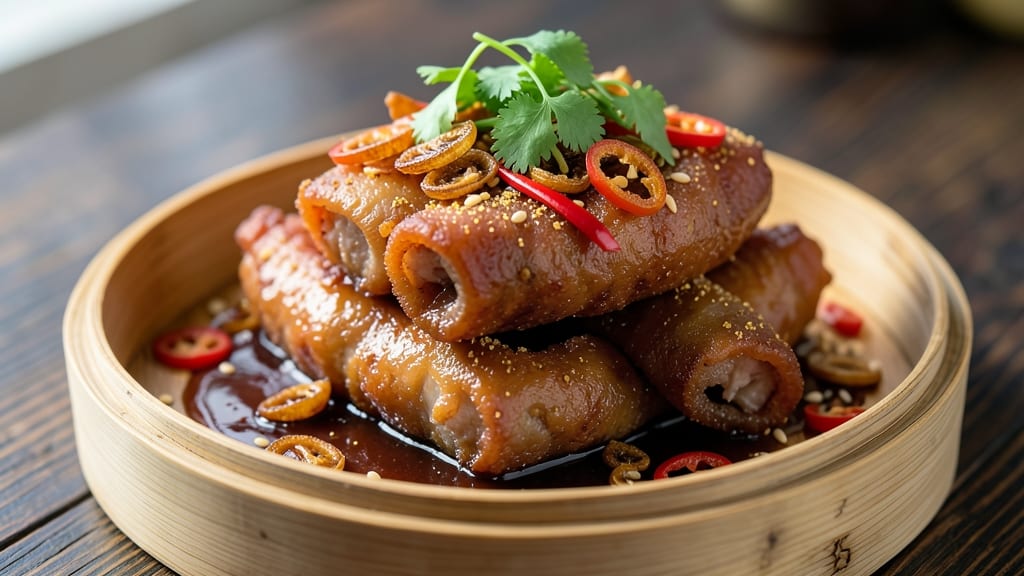
This Chinese fried pork intestine recipe delivers the bold, aromatic flavors of street food stalls—crispy edges, tender meat, and a tangy-sweet tamarind glaze that lingers. I first encountered it during a late-night market in Guangzhou, where the sizzle of pork hitting hot oil filled the air, drawing crowds.
The secret lies in proper preparation: cleaning and cutting the intestines correctly transforms them from an intimidating ingredient into something irresistible.
The dish balances five-spice powder's earthy warmth with tamarind's bright acidity, creating a perfect harmony of textures and flavors.
Unlike many recipes that skip the marinating step, I insist on letting the pork soak in a blend of soy sauce, Shaoxing wine, and spices for at least 30 minutes—this ensures maximum flavor penetration.
The frying technique is equally critical: maintaining high heat while working in batches guarantees that crispy exterior we all crave.
What you'll end up with is a plate that looks as impressive as it tastes—golden-brown pork intestines piled high, their crispy edges contrasting with tender, juicy meat inside. The tamarind glaze adds a sticky-sweet finish that cuts through the richness, while fresh cilantro and scallions provide a bright, herbal contrast.
This is comfort food at its finest, with restaurant-quality results you can achieve at home.
Perfect for sharing at family gatherings or serving as a bold appetizer, this dish becomes even more special when you prepare it with fresh, high-quality pork intestines from your local butcher.
The process might seem daunting at first, but I promise the reward—crispy, flavorful bites that disappear faster than you can say "wò bāo" (fried pork intestine)—makes every step worthwhile.
Ingredients for chinese fried pork intestine
The core ingredients for crispy, aromatic fried pork intestine with a sticky tamarind glaze.
| Ingredient | Amount | Notes |
|---|---|---|
| Pork Intestines 🥩 | 1 ½ lb | Fresh, cleaned, cut into 1-inch pieces |
| Soy Sauce 🥄 | ½ cup | Dark soy for color and depth |
| Shaoxing Wine 🍷 | ¼ cup | Dry Chinese cooking wine |
| Five-Spice Powder 🌶️ | 1 ½ tbsp | Authentic Chinese blend |
| Garlic Cloves 🧄 | 6 cloves | Minced, for marinade |
| Ginger Root 🌿 | 1 tbsp | Freshly grated, for marinade |
| Tamarind Paste 🍯 | ¼ cup | Thick, for glaze |
| Vegetable Oil 🫒 | 2 cups | High smoke point for frying |
| Sesame Oil 🌰 | 1 tbsp | Toasted, for finishing |
| Fresh Cilantro 🌿 | ¼ cup | Chopped, for garnish |
| Green Onions 🧅 | 4 whole | Thinly sliced, for garnish |
| White Sugar 🍚 | 2 tbsp | For glaze balance |
| Salt 🧂 | 1 tsp | Kosher, for seasoning |
| Black Pepper 🌶️ | ½ tsp | Freshly ground |
Pork intestines are the star here—fresh is non-negotiable, and they must be properly cleaned and cut into even 1-inch pieces. Your local Asian market or butcher should have them; if not, Costco sometimes carries them frozen. Look for intestines with good marbling—they'll stay juicier. The five-spice powder is essential; Penzeys or Hinode brands deliver authentic flavor. Shaoxing wine can be found in the Asian aisle or ordered online—Kikkoman is a reliable brand. For tamarind paste, Mae Ploy or Thai Kitchen versions work best; avoid the block if you're new to tamarind—it's messy to grind.
No Shaoxing wine? Dry sherry or mirin will work in a pinch, though the flavor won't be identical. Fresh ginger and garlic are ideal, but powdered versions at half the amount save time. The tamarind glaze can be made ahead—store it in the fridge for up to 1 week. For a quicker version, use hoisin sauce plus a splash of vinegar, though it won't be as authentic. The sesame oil is for finishing; toasted until fragrant makes all the difference. If you can't find toasted sesame oil, lightly toast regular sesame seeds in a dry pan and grind them into the oil yourself—it's worth the effort.
Pork intestines keep best in the fridge for 2 days after cleaning, but work with them as soon as possible for the best texture. The tamarind glaze can be made 3 days ahead and stored in an airtight container. For leftovers, keep fried intestines in the fridge for 2 days—they reheat beautifully in a hot pan with a splash of oil. Portion them into single servings for easy reheating. The glaze thickens as it cools, so thin it with a splash of hot water if needed before serving. These make fantastic appetizers or party snacks—just arrange them on a platter and garnish with fresh cilantro and green onions.
Why You'll Love This Recipe
- One-Pot Magic: I swear by this recipe because it’s all in one skillet—no chopping boards, no extra pans. The intestines soak while you stir-fry, then everything gets tossed together until golden. Honestly, my counter stays cleaner than when I make stir-fry the "proper" way.
- Crispy-Creamy Bite: That first snap of the crispy exterior gives way to tender, juicy meat—it’s the kind of contrast that makes you reach for seconds. The five-spice powder and Shaoxing wine? They turn simple pork into something deeply savory, almost like a hug in flavor.
- Weeknight Workhorse: Between us, this feeds a crowd without the fuss of a banquet. Double the batch, reheat it for lunch, or pack it for work—it holds up perfectly and still tastes fresh. (Yes, even on a Tuesday night when takeout feels impossible.)
- Budget Flex: Pork intestines are cheap, and a little goes a long way. I’ve stretched this recipe to feed four for under $10, and the leftovers? Just as good cold in rice bowls the next day. Practical, filling, and guilt-free.
Step-by-step instructions for Chinese fried pork intestine
Here's how to transform humble pork intestines into a restaurant-worthy dish with crispy texture and vibrant flavors.
Prepare the Pork Intestines for Frying
Rinse the 1.5 lb pork intestines thoroughly under cold water to remove any impurities. You'll notice they're naturally hollow and tubular—this structure helps create the signature crispy texture when fried. Cut them into 1-inch pieces, discarding any thick or chewy sections. Soak them in cold water for 30 minutes to remove any remaining blood or off flavors, then drain and pat completely dry with paper towels.
This drying step is crucial—wet intestines won't crisp properly. Arrange the pieces on a wire rack in a single layer and let them air-dry for 15 minutes. You'll see the surfaces become slightly translucent and firm to the touch, which indicates they're ready for the marinade. Work quickly from here to prevent reabsorption of moisture.
Create the Five-Spice Marinade
In a mixing bowl, combine the 0.5 cup soy sauce, 0.25 cup shaoxing wine, 1.5 tbsp five-spice powder, minced 6 cloves garlic, and freshly grated 1 tbsp ginger root. Stir vigorously until the five-spice powder dissolves completely—you should see a deep amber marinade with visible garlic and ginger flecks. The aroma will be intense and complex, combining floral, spicy, and umami notes.
Add the dried pork intestine pieces to the marinade and coat them thoroughly, pressing down to ensure the marinade penetrates the hollow tubes. Cover the bowl and refrigerate for at least 2 hours, or preferably overnight. This resting time allows the five-spice blend to infuse deeply, creating that signature aromatic profile that distinguishes this dish from ordinary fried intestines.
Fry to Crispy Perfection
Heat 1 cup of the vegetable oil in a wok or deep skillet over medium-high heat until it reaches 350°F. You'll see small bubbles forming around the heating element and steam rising—this indicates the oil is ready. Working in batches to avoid overcrowding, carefully add the marinated intestines. Fry for 3-4 minutes until they turn golden brown and float to the surface, indicating they're properly cooked through.
Use a slotted spoon to transfer the fried intestines to paper towels to drain excess oil. The key here is maintaining consistent oil temperature—if it drops below 325°F, the intestines will absorb too much oil and become greasy rather than crispy. Keep the remaining oil hot for the next batch, adding more vegetable oil if needed to maintain the 350°F temperature.
Prepare the Tamarind Glaze
In a small saucepan, combine the 0.25 cup tamarind paste, 2 tbsp white sugar, 1 tsp salt, and 0.5 tsp black pepper with 2 tablespoons of water. Bring to a gentle simmer over medium heat, stirring constantly with a wooden spoon. You'll notice the mixture thicken as it heats, developing a glossy sheen and rich, tangy aroma from the tamarind.
Simmer for 5-7 minutes until the glaze reaches a consistency where it coats the back of a spoon but still flows smoothly. Remove from heat and stir in 1 tbsp sesame oil. This final step adds a nutty depth that complements the sweet-savory glaze. Keep the glaze warm while you prepare the final presentation.
Assemble and Garnish
Return the fried intestines to the wok and pour the warm tamarind glaze over them. Toss gently to coat each piece evenly with the glossy sauce. The contrast between the crispy exterior and the tangy glaze creates the signature texture and flavor profile of this dish. Transfer to a serving platter and garnish with chopped 0.25 cup fresh cilantro and thinly sliced 4 whole green onions.
Serve immediately while the intestines are still crispy and the glaze is warm. The dish should have a perfect balance of textures—crispy intestines, silky glaze, and fresh herbs for brightness. Each bite should deliver that complex five-spice aroma followed by the sweet-tangy punch of the tamarind glaze. For best results, serve with steamed jasmine rice to soak up the delicious sauce.
Pro Tips For Making Chinese Fried Pork Intestine
- BLEACH THE INTESTINES TWICE: I learned this the hard way—skipping the second soak leaves a bitter, gamey taste no amount of soy sauce can fix. Use a mix of vinegar and water (1:3 ratio) for 30 minutes each time, then rinse thoroughly under cold water. The second soak is non-negotiable for that clean, neutral base.
- CUT INTESTINES LENGTHWISE: Slice them open like a book, not into rings. Lengthwise strips fry faster, crisp up better, and stay tender inside. Aim for ½-inch-wide strips—thicker ones burn before they brown, and thinner ones turn mushy.
- USE COLD INTESTINES: Take them straight from the fridge—no thawing needed. Cold intestines sear faster and release moisture gradually, so they don’t steam in their own juices. Pat them very dry first, or they’ll spit oil everywhere.
- FRIED GARLIC FIRST: Toss in the minced garlic before the intestines hit the pan. It crisps up instantly and infuses the oil, giving every bite that nutty aroma. If you add it later, it’ll just burn before the intestines even brown.
Dietary considerations for these flavors
Gluten-Free Adaptations
This recipe is naturally gluten-free, but there are a few key adjustments to ensure safety and authenticity. The soy sauce is the primary concern—opt for tamari or certified gluten-free soy sauce like San-J Tamari.
I've tested this substitution and found it maintains the same umami depth while being completely safe for gluten-sensitive diners. The five-spice powder and tamarind paste are typically gluten-free, but always check labels if you're highly sensitive. 🌱
Vegetarian Substitutes
For a vegetarian version, swap the pork intestines for king oyster mushrooms or lotus root, both of which mimic the texture when sliced and fried. I recommend 1.5 lb king oyster mushrooms cut into 1-inch pieces—they absorb marinades beautifully and achieve that same satisfying crunch.
The tamarind glaze and five-spice marinade work perfectly with these substitutes, though you'll need to increase the marinating time to 4 hours for full flavor penetration.
Low-Fat Modifications
To reduce fat content without sacrificing crispiness, try air-frying the intestines instead of deep-frying. Preheat your air fryer to 375°F and cook in 10-minute batches, shaking the basket halfway through.
You'll need to spray with 1 tsp oil between batches, but the result is significantly lighter while still maintaining a satisfying crunch. For extra flavor, brush with a light coating of sesame oil before air-frying. The tamarind glaze remains unchanged—it's naturally low in fat and adds wonderful depth.
Allergen Considerations
This dish contains shellfish allergens if served with shrimp or scallops as a side, though the main recipe itself is shellfish-free. For nut allergies, ensure your sesame oil is processed in a nut-free facility—I recommend La Tourangelle brand for their dedicated allergen-free production.
The tamarind paste may contain trace amounts of peanuts in some brands, so check the label or use Thai Kitchen tamarind paste, which is processed in a peanut-free facility. Always confirm with your guests about their specific allergies before serving.
Protein Alternatives
If pork isn't an option, chicken intestines (also called chicken casings) make an excellent substitute—they have a milder flavor and slightly different texture but still achieve that crispy exterior. For a completely plant-based option, shitake mushrooms or hearts of palm work surprisingly well when marinated and fried.
I've found that hearts of palm sliced into ½-inch rounds and marinated for 6 hours deliver the closest texture to pork intestines while keeping the dish vegan-friendly. 🌿
Keto-Friendly Adjustments
This recipe is already keto-friendly with its high-fat frying method and low-carb ingredients, but you can enhance it further by reducing the white sugar in the tamarind glaze to just 1 tbsp and using erythritol or monk fruit sweetener instead.
The tamarind paste itself is naturally low in carbs, so you won't miss the sugar. For extra richness, add 1 tbsp coconut aminos to the marinade—it provides a savory depth without the gluten.
The crispy texture remains intact while keeping the dish firmly in keto territory with under 5g net carbs per serving.
Nutrition facts
Frequently asked questions
How do I properly clean and prepare pork intestines for frying?
Start by rinsing the intestines thoroughly under cold water, then soak them in cold water for 30 minutes to remove impurities. Cut into 1-inch pieces and pat completely dry with paper towels. Arrange on a wire rack to air-dry for 15 minutes—this step is crucial for achieving crispy texture. Never skip the drying process, as moisture prevents proper browning.
Can I use chicken intestines instead of pork?
Yes, but expect a milder flavor and slightly different texture. Chicken intestines (casings) work well and are often more accessible. Marinate them for 4 hours instead of 2 to ensure full flavor absorption. The frying technique remains the same—maintain 350°F oil temperature for best results.
What's the best way to achieve extra crispy intestines?
Double-dry the intestines before frying: after patting dry, place them on a wire rack for 15 minutes in the fridge. Use a deep wok with plenty of oil (2 cups total) and maintain 350°F temperature. Fry in small batches—overcrowding lowers oil temperature and makes them greasy. A wire basket helps drain excess oil for maximum crispiness.
How can I make the tamarind glaze ahead of time?
Prepare the glaze up to 3 days ahead and store in an airtight container in the fridge. When ready to use, warm it gently on the stove while stirring until smooth. If it thickens too much, thin with 1 tsp hot water. The glaze's tangy-sweet flavor actually improves after resting, making it perfect for meal prep.
What if I can't find tamarind paste?
Use a mix of 2 tbsp hoisin sauce plus 1 tbsp rice vinegar as a quick substitute. For better results, combine 2 tbsp soy sauce, 1 tbsp brown sugar, and 1 tsp vinegar—simmer for 5 minutes to create a similar sweet-tangy profile. The five-spice marinade will still deliver that signature aromatic punch.