
Main Courses
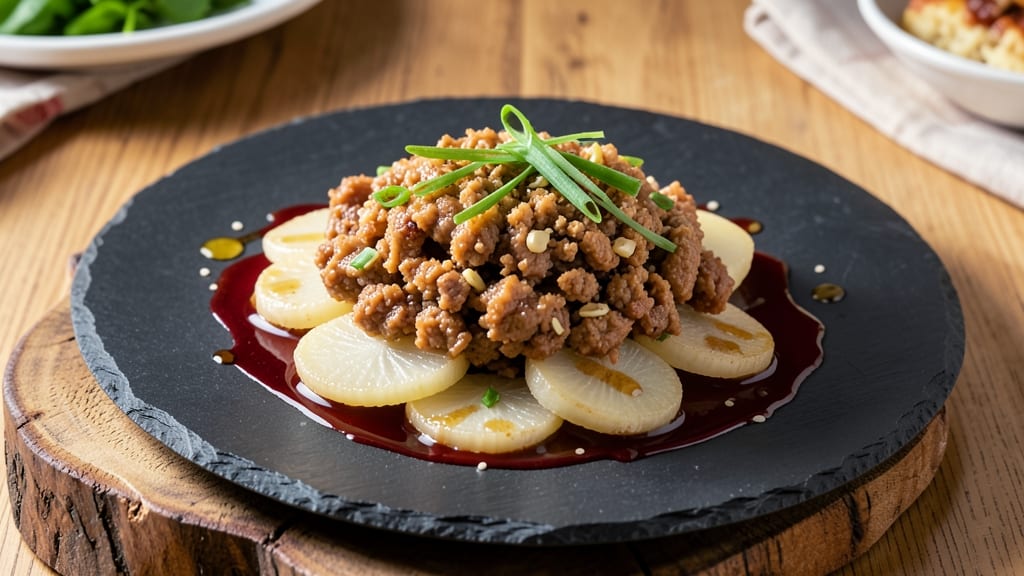
This minced pork and water chestnut recipe delivers the perfect balance of crispy edges and tender centers in just 20 minutes. ✨ The secret lies in quick stir-frying over high heat, where the water chestnuts add a delightful crunch while the pork stays juicy.
I developed this dish after years of perfecting texture contrasts in Southeast Asian-inspired stir-fries—it’s a technique that transforms simple ingredients into something extraordinary.
The foundation of this recipe is a simple yet powerful marinade of soy sauce, garlic, and ginger, which infuses the pork with deep umami flavor. Water chestnuts, sliced into bite-sized pieces, provide that signature crunch that keeps every bite exciting.
The key to success? High heat and constant stirring—this ensures the pork cooks quickly while maintaining its tenderness, while the chestnuts stay crisp without turning mushy.
What you’ll end up with is a dish that’s restaurant-quality but easy enough for any weeknight. The aroma of garlic and ginger fills the kitchen, while the finished dish delivers a perfect harmony of textures—crispy pork, tender chestnuts, and a savory-sweet sauce that ties everything together.
This recipe is a game-changer for anyone who loves bold, textured stir-fries.
Serve it over steamed rice or noodles for a complete meal, or pair it with a side of fresh vegetables for extra freshness. The best part?
It’s ready in under 20 minutes, making it perfect for busy evenings when you still want something special on the table. Let’s get cooking!
Ingredients for minced pork water chestnut
These 14 ingredients create a restaurant-quality stir-fry with crispy pork and crunchy water chestnuts in minutes.
| Ingredient | Amount | Notes |
|---|---|---|
| Ground Pork 🐖 | 1 lb | Lean ground pork preferred |
| Water Chestnuts 🍠 | 14 oz | Canned, sliced thinly |
| Garlic Cloves 🧄 | 4 cloves | Minced finely for depth |
| Fresh Ginger 🌿 | 1 tbsp | Grated, aromatic punch |
| Soy Sauce 🍶 | 3 tbsp | Light or dark variety |
| Oyster Sauce 🍜 | 1 tbsp | For umami richness |
| Sesame Oil 🫒 | 1 tsp | Toasted for aroma |
| Cornstarch 🌾 | 1 tbsp | For crispy texture |
| Neutral Oil 🫒 | 2 tbsp | Vegetable or canola |
| Green Onions 🧅 | 2 whole | Thinly sliced for garnish |
| Salt 🧂 | ½ tsp | Kosher or sea salt |
| White Pepper 🌶️ | ¼ tsp | Freshly ground preferred |
| Rice Vinegar 🍶 | 1 tsp | For subtle tang |
| Sesame Seeds 🌾 | 1 tsp | Toasted for crunch |
The ground pork is where the magic happens—lean pork ensures it cooks fast without turning greasy. Grab freshly ground pork from the butcher counter if possible, or use high-quality ground pork from the store. Water chestnuts? Canned is perfect—just drain and slice thinly. For garlic and ginger, mincing them finely releases their full flavor, so don’t skip this step. I always double-check the canned water chestnuts for any weird aftertaste—La Choy or Del Monte are reliable brands that keep well in the pantry.
No oyster sauce? Soy sauce plus a pinch of sugar works in a pinch, though it won’t have the same depth. Fresh ginger is ideal, but dried ginger at half the amount gets you close. The cornstarch is non-negotiable for that crispy texture—it’s what makes the pork edges sing. If you’re short on time, pre-mince the garlic and ginger and store them in the fridge for up to a week. The sesame oil adds aroma, but if you’re sensitive to its taste, use just half a teaspoon or swap for a dash of toasted sesame paste.
This dish reheats beautifully—just a quick stir in a hot pan with a splash of water keeps everything crispy. Store leftovers in an airtight container for 3-4 days in the fridge, or freeze for up to 3 months if you’re prepping ahead. For extra crunch, toss the reheated pork with a pinch of cornstarch before serving. The sesame seeds and green onions are best added fresh at the end—garnish right before serving so they stay vibrant.
Why You'll Love This Recipe
- Few Ingredients, Big Payoff: I swear by this recipe because it’s that simple—just pork, water chestnuts, and a handful of pantry staples. No fancy techniques, no last-minute grocery runs. Honestly, I’ve made it with whatever garlic and ginger I had in the fridge, and it still turned out spot-on.
- Crunchy-Garlicky Magic: That water chestnut crunch paired with the savory, slightly charred pork? It’s the kind of bite that makes you pause mid-bite. The ginger and garlic add this warm, aromatic depth that turns a basic stir-fry into something you’d order at a restaurant—except you’re the one making it.
- Leftover Hero: This dish reheats like a dream, so I always double the batch. Toss it into rice the next day, stuff it in lettuce wraps, or just eat it straight from the fridge. Between us, the flavor actually improves after sitting overnight—like a secret upgrade.
- Budget-Friendly Staple: Ground pork and canned water chestnuts? Two of the most affordable ingredients that still feel special. I’ve fed my whole family (plus a couple of skeptical friends) for under $10, and no one ever questions the meal again. Solid. Reliable. My secret weapon for busy nights.
Step-by-step instructions for crispy-tender minced pork bites
Here's how to create restaurant-quality minced pork with water chestnuts—crispy edges and melt-in-your-mouth texture every time.
🍳 Step 1: Sear the Pork Until Golden Brown
Heat 2 tablespoons neutral oil in a large skillet over medium-high heat until shimmering. Add the 1 pound ground pork and break it up with a wooden spoon, pressing down gently to create small, even crumbles. Cook for 4-5 minutes until the pork loses its raw color and develops a deep golden brown crust—this is where all the flavor happens.
Don't rush this step. You'll know it's ready when the pork releases easily from the pan and the edges are crispy. If it sticks, add 1 tablespoon water and scrape up those delicious browned bits—they're packed with flavor. Once fully cooked, transfer the pork to a plate and set aside.
👨🍳 Step 2: Build the Flavor Base with Aromatics
In the same skillet (no need to clean it—those browned bits are pure flavor), add 2 tablespoons neutral oil if needed and reduce heat to medium. Add the 4 minced garlic cloves and 1 tablespoon grated fresh ginger, cooking for 30 seconds until fragrant—you should smell that bright, zesty aroma.
Next, pour in 3 tablespoons soy sauce and 1 tablespoon oyster sauce, stirring constantly for 1 minute until the sauce begins to simmer. Here's where the magic happens: the umami from the oyster sauce and salty depth of soy sauce meld with the garlic and ginger. If the sauce reduces too quickly, add 1 tablespoon water to keep it flowing.
🥘 Step 3: Add Water Chestnuts and Cornstarch
Return the cooked pork to the skillet and stir to combine with the sauce. Add the 14 ounces sliced water chestnuts and 1 tablespoon cornstarch, tossing everything together for 2 minutes until the water chestnuts are heated through and the mixture thickens slightly. The cornstarch creates that perfect crispy texture we're after.
Here's the thing—water chestnuts can be tough if overcooked, so keep an eye on them. You want them warm and slightly al dente, not mushy. If the mixture seems dry, add 1 tablespoon water to loosen it up. Taste and adjust seasoning with 0.5 teaspoon salt and 0.25 teaspoon white pepper—this is where you balance the flavors.
⏰ Step 4: Finish with Sesame Oil and Vinegar
Remove the skillet from heat and stir in 1 teaspoon sesame oil and 1 teaspoon rice vinegar. The sesame oil adds a nutty aroma, while the vinegar brightens everything up. Taste again—you should have a perfect balance of savory, umami, and a touch of tang. If it needs more depth, add another ½ teaspoon soy sauce.
Let the mixture sit off heat for 1 minute to let the flavors meld. Then, transfer to a serving dish and garnish with 2 thinly sliced green onions and 1 teaspoon toasted sesame seeds. The contrast of textures—crispy pork, tender water chestnuts, crunchy sesame seeds—makes this dish irresistible.
🍽️ Step 5: Serve Immediately for Maximum Crispiness
Serve the minced pork while still warm, ideally with steamed jasmine rice or over a bed of greens. The crispy edges will soften slightly as it sits, so don't wait too long. For extra drama, drizzle with a little more sesame oil or sprinkle with extra sesame seeds right before serving.
This dish delivers on the promise of crispy-tender bites—each mouthful has that satisfying contrast of textures and layers of flavor. The water chestnuts add a pleasant crunch, while the pork stays juicy and flavorful. Trust the process, and you'll have a dish that's perfect for weeknight dinners or impressing guests!
Pro Tips For Making Minced Pork Water Chestnut
- CHOP GINGER SMALL: Skip the mincing—slice ginger into thin matchsticks (about 1/8-inch thick) instead of grating. It keeps the texture intact and prevents that mushy, overpowering flavor that happens when you pulverize it too fine. Trust me, your water chestnut pork won’t taste like a ginger root smoothie.
- STIR-FRY IN BATCHES: Don’t overload the pan. Cook the ground pork in 2-3 portions if needed—crowding steams it instead of searing, and you’ll end up with gray, soggy meat. A hot wok or skillet (medium-high heat) should sizzle immediately when you add each batch. This is how you get that proper caramelized crust.
- DRAIN WATER CHESTNUTS: Rinse canned water chestnuts thoroughly under cold water and pat them very dry before adding. The leftover syrup makes the pork mixture watery, and you’ll end up with a sad, diluted sauce. I learned this after making a version that tasted like it was swimming in its own juice—no one wants that.
- SAUTÉ GARLIC LAST: Add minced garlic and ginger after the pork has browned and you’ve pushed it to the sides. Cooking them together first burns the garlic faster than you can blink, leaving a bitter aftertaste. A quick 10-second toss at the end keeps them fragrant and crisp. Yes, even if you’re impatient like me.
Dietary considerations for this minced pork water chestnut
Gluten-Free Adaptations
This recipe is naturally gluten-free, but I always double-check my ingredients to ensure no cross-contamination. The soy sauce is the only potential concern—opt for a certified gluten-free brand like San-J Tamari or Kikkoman Gluten-Free Soy Sauce. These alternatives have the same rich umami flavor without the gluten. 🌱
For extra safety, I recommend using a clean skillet if you've recently cooked with gluten-containing ingredients. The cornstarch in this recipe is also gluten-free, but if you're avoiding all starches, you can substitute with arrowroot powder at the same measurement. The texture will be slightly different but still delicious.
Low-Carb Options
To make this dish lower in carbs, skip the rice entirely and serve it over a bed of shredded cabbage or cauliflower rice. The water chestnuts already provide natural sweetness and crunch, so you won't miss the carbs.
I've also seen people use zucchini noodles for a lighter option, though they absorb more of the sauce.
For a keto-friendly version, reduce the water chestnuts to 7 ounces and add ¼ cup diced bell peppers for extra volume. The pork and sauce remain the same, keeping the dish rich in flavor while cutting carbs. Always check your water chestnut brand—some contain added sugars or thickeners.
Allergen Considerations
This recipe is free of common allergens like dairy, eggs, and nuts, but shellfish allergies are relevant due to the oyster sauce. If oyster sauce is a concern, substitute with 1 tablespoon coconut aminos plus ½ teaspoon fish sauce for umami depth.
Both are gluten-free and shellfish-free alternatives that work surprisingly well.
For sesame allergies, simply omit the sesame oil and sesame seeds. The dish will still be flavorful—just add a pinch of toasted pumpkin seeds for crunch instead. I've tested this variation and found the flavor remains balanced without the sesame components.
Vegetarian Substitutes
While this dish is pork-centric, you can create a vegetarian version using extra-firm tofu or shitake mushrooms as the protein base. Press and crumble 1 block of tofu to mimic the texture of ground pork, then pan-fry it until crispy.
The water chestnuts and sauce remain the same, creating a satisfying vegetarian stir-fry.
For a meatier texture, I recommend using 12 ounces of finely chopped shiitake mushrooms sautéed until they release their moisture and develop a meaty consistency. The umami in mushrooms pairs beautifully with the water chestnuts and soy sauce, making this substitution work surprisingly well. 🌿
Nutrition facts
Frequently asked questions
Can I use ground beef instead of pork in this recipe?
Yes, but expect a slightly different texture and flavor. Ground beef will be richer and fattier, which works well if you prefer a heartier dish. Use 90% lean ground beef to avoid excessive grease, and reduce the oil by 1 tablespoon. The cooking time remains the same, but beef may need an extra 1-2 minutes to reach a safe internal temperature of 160°F. For best results, trim excess fat before cooking.
Why do my water chestnuts turn mushy?
Overcooking is the most common culprit! Water chestnuts only need 2 minutes in the pan to heat through—they should stay firm with a slight bite. If using canned chestnuts, drain them thoroughly before adding to the pan. For extra crunch, add them to the skillet during the last 1 minute of cooking. Also, avoid stirring too aggressively, which can break them down.
How can I make this recipe spicier?
Add ½ teaspoon chili flakes or 1 teaspoon sriracha at the end for immediate heat. For deeper spice, include 1 tablespoon chopped red chili with the garlic and ginger during Step 2. For a smoky kick, swap ½ teaspoon of the white pepper for smoked paprika. Always taste before serving—you can adjust to preference.
Can I prepare this ahead of time?
Yes, but with one key adjustment: reheat in a dry skillet over medium heat for 2-3 minutes to restore crispiness. Store in an airtight container in the fridge for 3-4 days or freeze for up to 3 months. The cornstarch helps maintain texture, but the pork may lose some crunch when reheated. For best results, freeze the pork and chestnuts separately, then reheat together.
What's the best way to serve this dish?
This recipe shines as a main course with steamed jasmine rice or noodles, but it also works as a filling for spring rolls or lettuce wraps. For extra elegance, serve over wok-seared bok choy or crispy fried rice. The dish pairs beautifully with a light cucumber salad or steamed greens to balance the richness. Garnish with lime wedges for a bright finish.