
Main Courses
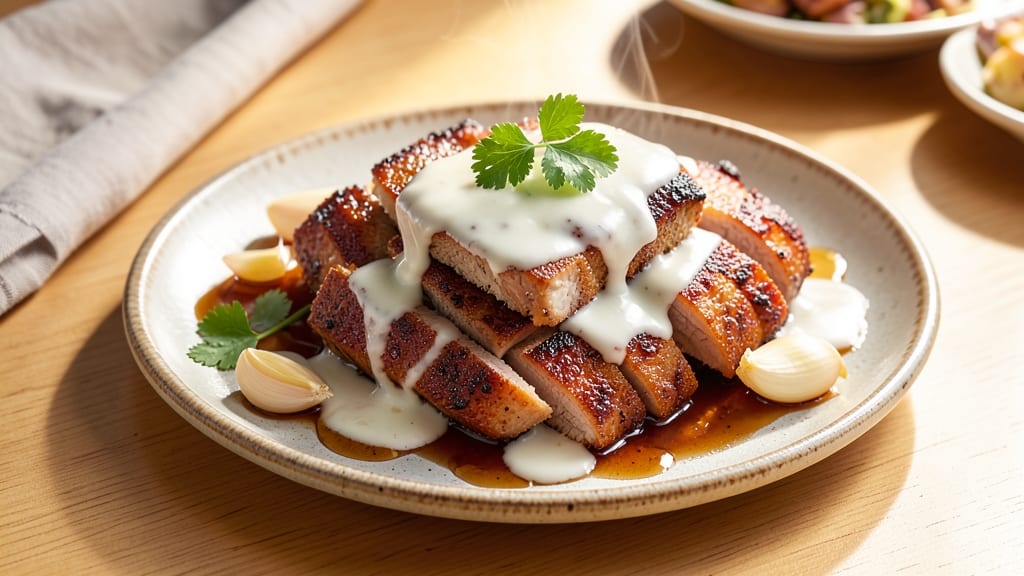
This adobo sa puti pork recipe transforms tough pork into melt-in-mouth tenderness with a velvety coconut milk sauce—Filipino comfort food at its finest. 🌟 The secret lies in slow-braising with vinegar and soy sauce, then finishing with coconut milk for that signature creamy texture.
I first tasted this dish at a family gathering in the Philippines, where it became an instant favorite. What sets this recipe apart is the balance of flavors: tangy from the vinegar, savory from the soy, and rich from the coconut milk.
The pork becomes fork-tender while absorbing all those delicious layers. Unlike traditional adobo, this version adds coconut milk at the end for that signature creamy velouté that makes every bite irresistible.
By the time you serve this dish, you'll have perfectly tender pork swimming in a luscious, slightly sweet sauce that pairs beautifully with steamed rice. The aroma alone will have everyone gathering at the table.
This is the kind of recipe that feels like a hug in a bowl, perfect for family dinners or special occasions. Serve with atchara (pickled papaya) for a tangy contrast or extra rice to soak up every last drop of that creamy sauce. Let's get cooking!
Ingredients for adobo sa puti pork
Filipino pantry staples meet creamy comfort—just eight ingredients for melt-in-your-mouth pork.
| Ingredient | Amount | Notes |
|---|---|---|
| Pork Shoulder 🥩 | 2 lb | Bone-in, cut into 2-inch chunks |
| Coconut Milk 🥥 | 1 ½ cups | Full-fat canned, well-stirred |
| White Vinegar 💧 | ½ cup | Distilled preferred |
| Soy Sauce 🍶 | ¼ cup | Light or regular |
| Brown Sugar 🍚 | ¼ cup | Packed, light or dark |
| Garlic Cloves 🧄 | 6 cloves | Minced, fresh preferred |
| Onion 🧅 | 1 whole | Yellow, chopped |
| Bay Leaves 🌿 | 2 whole | Dried, crumbled |
| Black Peppercorns 🌶️ | 1 tsp | Crushed, freshly ground |
| Salt 🧂 | 1 ½ tsp | Kosher or sea salt |
| Olive Oil 🫒 | 2 tbsp | For searing pork |
| Fresh Ginger 🌿 | 1 tbsp | Grated, fresh preferred |
The pork shoulder is where it all begins. Look for bone-in cuts at your local Asian market—they stay juicier during the long braise. If you're at a regular grocery store, Costco or Walmart usually have good deals on pork shoulder. For the coconut milk, Aroy-D or Thai Kitchen brands are my go-tos—they're full-fat and creamier than the lighter versions. Always stir the can before opening to mix the thick cream at the bottom. The vinegar should be white distilled, not apple cider or rice vinegar—this keeps the tangy flavor authentic without extra sweetness.
No coconut milk? Heavy cream plus a splash of milk gets you close, though it won't have that same rich coconut flavor. Running out of soy sauce? Tamari or even Worcestershire sauce works in a pinch, but reduce the amount to half. Fresh ginger is ideal, but ground ginger at half the amount works if you're in a hurry. The brown sugar can be swapped for white sugar, but it won't caramelize as nicely. For the garlic and onion, frozen chopped works in a pinch—just thaw and drain well. The bay leaves? Don't skip them—they add that subtle earthiness that makes this dish sing.
This sauce gets better with time, so make extra. The pork stays tender for 3-4 days in the fridge, and the sauce freezes beautifully for up to 3 months. I always portion the pork into containers with a little sauce—perfect for quick lunches. If you're making this ahead, the flavors meld even more overnight. Store the sauce separately if you're not serving it right away, then reheat gently before serving.
Why You'll Love This Recipe
- I’ll be real: you’re using things you already own. Vinegar, soy sauce, coconut milk—no obscure ingredients, no last-minute grocery runs. The pork shoulder stretches across meals, and the sauce freezes like a dream for when you’re too tired to think. Budget-friendly? More like budget smart.
- Coconut Milk Magic: I swear by the creamy richness here—the coconut milk turns this into something luxurious without the fuss. Just simmer it with the pork, and that velvety texture melts into every bite while keeping it light, not heavy.
- Weeknight Win: Honestly, this is my "I don’t wanna cook but need real food" dish. Toss in the pork shoulder, dump in the vinegar and soy sauce, and let it braise while you fold laundry. The brown sugar caramelizes into a glossy glaze that takes zero effort to achieve.
- Leftover Goldmine: Between us, this tastes better the next day. The flavors deepen, the pork gets even more tender, and I’ve reheated it for breakfast tacos, rice bowls, or straight-up with steamed veggies—no one bats an eye. (Yes, even on a Tuesday night.)
Step-by-step instructions for adobo sa puti pork
Here's how to create silky coconut milk sauce over melt-in-your-mouth pork.
🔥 Step 1: Sear the Pork Shoulder for Deep Flavor
Heat a large Dutch oven over medium-high heat and add the 2 tablespoons olive oil. Working in batches, add the 2 lb pork shoulder cut into 2-inch chunks and sear for 3-4 minutes per side until golden brown. You want to develop a nice crust—this locks in moisture and builds deep flavor.
Don't crowd the pan or the pork will steam instead of sear. Once all pieces are browned, transfer them to a plate and set aside. You'll notice the pork releases easily when it's ready to flip—this is your cue. The seared pork will form the flavor base for your creamy sauce.
🍳 Step 2: Build the Aromatic Base
In the same Dutch oven, add the chopped onion and minced garlic cloves and cook for 3-4 minutes until softened and fragrant. The garlic should smell sweet and pungent—this is when it's ready. Stir in the grated fresh ginger and cook for another 30 seconds until aromatic.
Add the crushed black peppercorns, 1.5 teaspoons salt, and 2 whole bay leaves (crumbled). Stir for 30 seconds to toast the spices—this releases their essential oils and deepens the flavor profile. You'll see the spices darken slightly, which means they're releasing their aroma.
🍳 Step 3: Simmer the Vinegar and Soy Sauce
Pour in the 0.5 cup white vinegar and 0.25 cup soy sauce and bring to a gentle simmer. Let it cook uncovered for 5 minutes until the liquid reduces by about half and the acidity mellows. You want to soften the vinegar's sharpness while building the sauce's foundation.
Add the seared pork back to the pot along with any accumulated juices. Stir to combine, then add the 0.25 cup brown sugar. This step creates a balanced sweet-savory base that will carry through the entire dish. The sugar will help caramelize slightly, adding depth to the sauce.
🥘 Step 4: Create the Creamy Coconut Velouté
Pour in the 1.5 cups coconut milk and stir well to combine. The mixture will look slightly curdled at first—that's normal. Bring to a gentle simmer over medium-low heat and let it cook uncovered for 45-60 minutes, stirring occasionally, until the pork is fork-tender and the sauce thickens.
Here's where the magic happens: the coconut milk emulsifies with the pork juices, creating that signature creamy texture. You'll know it's ready when the sauce coats the back of a spoon and the pork easily pulls apart with a fork. The sauce should be velvety, not watery, with a beautiful creamy hue.
⏰ Step 5: Rest and Serve
Remove the bay leaves and transfer the pork and sauce to a serving dish. Let it rest for 5-10 minutes before serving. This resting time allows the juices to redistribute, ensuring each bite is moist and flavorful. The sauce will thicken slightly as it cools, which is perfect for serving.
Serve the adobo sa puti pork over steamed rice, allowing the creamy sauce to coat every bite. The contrast of the tender pork with the rich coconut sauce over fluffy rice creates a truly satisfying meal. The dish should have a perfect balance of sweet, savory, and creamy flavors with tender, melt-in-your-mouth pork.
Pro Tips For Making Adobo Sa Puti Pork
- Brown Sugar First: Toss the pork shoulder in brown sugar before adding vinegar and coconut milk—it caramelizes into the meat, giving it that signature sticky glaze. I used to add it later and wondered why my pork never tasted as rich.
- Simmer Slow and Low: Once the pork is tender (about 2 hours in), drop the heat to a bare simmer. Rushing it turns the sauce grainy and the pork dry—this dish rewards patience, not speed.
- Strain That Vinegar: After boiling vinegar, soy sauce, and garlic, strain out the solids. I learned this the hard way—leaving them in makes the sauce bitter and clumpy, even if you blend it later.
- Save the Coconut Cream: Use the thickest part of the coconut milk (the cream that settles at the top) for the sauce—it adds body without thinning the adobo. The rest? Save it for curries or smoothies.
Best sauces and condiments for this recipe
Creamy Coconut Milk Sauce
This signature sauce transforms the dish from tangy to luxurious. The key is using full-fat coconut milk—brands like Aroy-D or Thai Kitchen work best. For extra richness, I sometimes add ½ cup heavy cream at the end, but traditional recipes rely solely on coconut milk.
The sauce should coat the back of a spoon when done, with a velvety texture that clings to the pork. 🥥
Vinegar-Soy Base
The foundation of adobo sa puti relies on a balance of white vinegar and soy sauce. I use ½ cup vinegar to tenderize the pork while keeping the sauce tangy, and ¼ cup soy sauce for umami depth.
For a deeper flavor, reduce the vinegar-sauce mixture by half before adding the pork. This step softens the acidity and builds a robust base for the coconut milk to shine.
Sweet-Savory Balance
Brown sugar adds just the right touch of sweetness to complement the tangy-savory notes. I recommend ¼ cup packed brown sugar—it caramelizes slightly during cooking, adding depth to the sauce.
For a more refined version, you could substitute with honey or palm sugar, but brown sugar keeps it authentic and budget-friendly. Taste as you go to adjust sweetness to your preference.
Spice Infusions
Fresh ginger and garlic are non-negotiable for authentic flavor. I always use 1 tbsp grated fresh ginger and 6 minced garlic cloves—frozen versions work in a pinch, but fresh delivers the best aroma.
For a subtle kick, add ½ tsp ground black pepper or a pinch of cinnamon (a common Filipino spice). These spices meld beautifully with the coconut milk, creating a warm, aromatic sauce that elevates the dish.
Finishing Touches
After the pork is tender, I like to finish the sauce with a splash of coconut cream (the thick part from the can) for extra richness. For a smoky note, add ½ tsp smoked paprika or a bay leaf during the final 10 minutes of cooking.
Garnish with chopped green onions or toasted coconut flakes for texture and freshness. These final touches take the dish from good to extraordinary. ✨
Nutrition facts
Frequently asked questions
Why does this recipe use coconut milk instead of vinegar like traditional adobo?
This version adds coconut milk at the end to create that signature creamy texture called "adobo sa puti" (white adobo). Traditional adobo uses mostly vinegar for tanginess, but this Filipino classic transforms it into a velvety sauce by balancing the acidity with coconut's richness. The slow braising ensures the pork stays tender while absorbing all those delicious flavors.
Can I use chicken or beef instead of pork?
While pork shoulder is traditional, you can absolutely use chicken thighs (bone-in for better flavor) or beef chuck. For chicken, reduce cooking time to 30-40 minutes since it cooks faster. Beef will need 1.5-2 hours to become tender. The sauce ratios remain the same, but adjust seasoning slightly—beef benefits from extra garlic and ginger.
How do I make this dish less creamy if I don't like coconut?
Simply reduce the coconut milk to 1 cup and add ½ cup chicken broth instead. For a lighter version, replace the coconut milk completely with ½ cup heavy cream + ½ cup water. The sauce will still be flavorful but less rich. The vinegar-soy base carries all the essential adobo flavors without the coconut.
What's the best way to reheat leftovers?
Reheat gently in a saucepan over low heat with a splash of water or coconut milk to prevent drying. Never microwave directly as it can make the sauce watery. For best results, cover and warm for 5-7 minutes, stirring occasionally. The pork should stay tender, and the sauce will thicken beautifully. Leftovers keep for 3-4 days in the fridge.
Can I make this in a slow cooker?
Sear the pork first, then transfer everything to the slow cooker. Cook on low for 6-8 hours or high for 4-5 hours. Add the coconut milk during the last 30 minutes to prevent curdling. The slow cooker keeps the pork incredibly tender with minimal effort. The sauce may be thinner, so reduce it on the stove before serving if needed.