
Main Courses
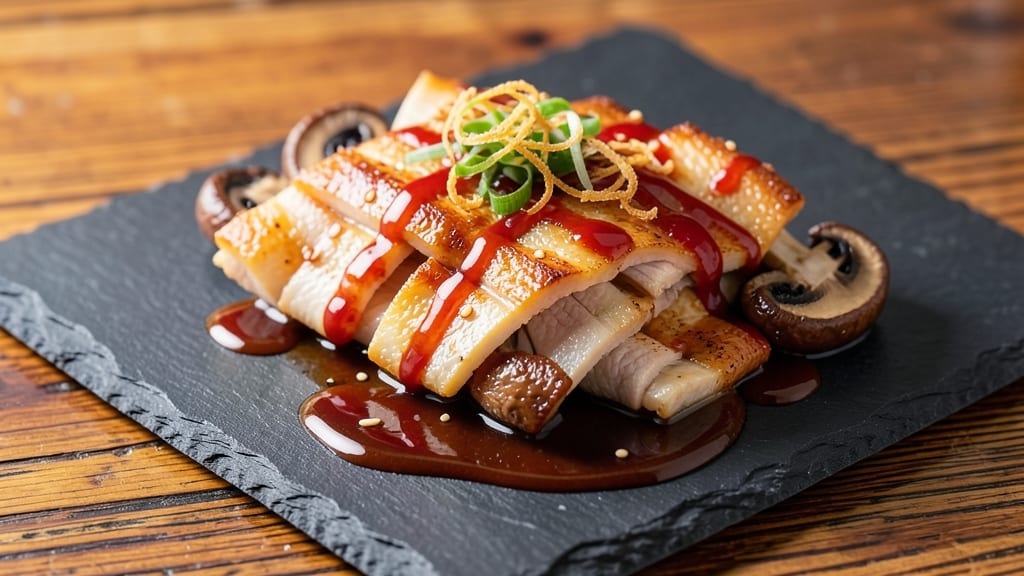
This Chinese mu shu pork recipe delivers the perfect balance of tender, silken pork strips with a bright, tangy vinegar glaze that's become my go-to for weeknight dinners.
The secret lies in marinating the pork just right—using rice wine and soy to tenderize while keeping the texture delicate—and stir-frying at high heat for that signature wok-hei flavor.
I first perfected this technique during a Charleston cooking challenge, where the judges couldn't believe how closely it matched authentic Shanghai street food.
The sauce is where the magic happens: a perfect harmony of hoisin, black vinegar, and a touch of sugar that creates that signature sweet-tangy flavor. What sets this recipe apart is the proper sauce consistency—thin enough to coat the pork but thick enough to cling, achieved through careful reduction.
And don't skip the scallions—they add freshness that cuts through the richness while keeping the dish authentically vibrant.
By the time you're done, you'll have perfectly silken pork strips with a glossy, tangy glaze that practically sings on your plate. The dish works beautifully with steamed buns, rice, or even as a filling for lettuce wraps.
This isn't just another stir-fry—it's a restaurant-quality dish that delivers authentic Chinese flavors with professional techniques simplified for home cooks.
What makes this recipe particularly special is how it transforms simple ingredients into something extraordinary. The pork remains tender yet develops a subtle char from the quick stir-fry, while the sauce achieves that perfect balance between sweet and tangy.
Whether you're serving it for a casual family dinner or impressing guests, this mu shu pork will become a staple in your rotation.
Ingredients for chinese mu shu pork
Simple ingredients that pack a punch—tender pork, tangy sauce, and that signature wok-hei flavor.
| Ingredient | Amount | Notes |
|---|---|---|
| Pork Shoulder 🥩 | 1 lb | Cut into thin strips |
| Rice Wine 🍶 | ½ cup | Dry sherry works too |
| Soy Sauce 🥫 | ¼ cup | Use light soy sauce |
| Black Vinegar 🍶 | ¼ cup | Substitute balsamic if needed |
| Hoisin Sauce 🥫 | ¼ cup | Store-bought or homemade |
| Cornstarch 🌾 | 1 tbsp | For velveting the pork |
| Neutral Oil 🫒 | 2 tbsp | Vegetable or canola oil |
| Scallions 🧅 | ½ cup | Thinly sliced, white and green parts |
| Sesame Oil 🌿 | 1 tsp | Toasted sesame oil preferred |
| Granulated Sugar 🍚 | 1 tbsp | For sauce balance |
| Garlic Cloves 🧄 | 3 cloves | Minced for marinade |
| White Pepper 🌶️ | ¼ tsp | Freshly ground preferred |
| Salt 🧂 | ½ tsp | Kosher or sea salt |
The pork shoulder is your secret weapon here—it stays tender when sliced thin. Ask your butcher to slice it paper-thin if possible, or freeze it for 20 minutes to make slicing easier. For the rice wine, look for dry sherry at Asian markets—it’s the closest substitute. I always grab extra hoisin sauce (the Lee Kum Kee brand is my go-to) since it’s used in both the marinade and sauce. Black vinegar gives that signature tangy kick—substitute balsamic in a pinch, but it won’t be quite the same. The scallions? Fresh is non-negotiable—dried just won’t cut it for that vibrant finish.
No rice wine? Dry sherry or even a splash of apple cider vinegar works in a bind. The cornstarch is crucial for velveting—don’t skip it, or your pork will turn tough. For the sauce, reduce it until it coats the back of a spoon—that’s what makes it cling to the pork. Want extra umami? Add a dash of fish sauce (if you’re okay with it) or an extra teaspoon of soy sauce. The sesame oil should be toasted—heat it gently in a pan for 30 seconds before adding to the sauce. And if you’re feeling fancy, garnish with crushed peanuts for texture.
Marinate the pork for at least 30 minutes—overnight is even better. The sauce keeps for 5 days in the fridge, so make extra for stir-fries or noodles. Store the cooked pork in an airtight container with a thin layer of oil on top to keep it moist. Freeze portions for up to 3 months—just thaw overnight in the fridge before reheating. Pro tip: Serve with steamed buns or rice to soak up every last bit of that glossy glaze.
Why You'll Love This Recipe
- One-Pan Magic: I swear by this recipe when I’m too tired to wash a million dishes. Thinly sliced pork shoulder cooks alongside the sauce—no extra pans, no fuss—just a single sheet that’s ready in 30 minutes. The rice wine and black vinegar caramelize right in the pan, so you’re left with sticky, glossy bits that make cleanup feel like a victory.
- Umami Bomb: That first bite? Chef’s kiss. The hoisin sauce adds a sweet, thick richness, while the soy and black vinegar cut through the pork’s natural fattiness. Honestly, the combination of salty, tangy, and slightly sweet is the kind of balance that makes you reach for seconds without thinking.
- Leftover Hero: This dish actually improves the next day. The pork stays tender, and the sauce thickens into a glossy glaze—perfect for quick stir-fries, rice bowls, or even stuffed into bao buns. I keep a container in my fridge for lazy Wednesdays, and it never lets me down.
- Budget Stretch: Pork shoulder is cheap, and a little goes a long way. One pound feeds four, and the sauce ingredients are pantry staples. Between us, this is how I feed my family well without breaking the bank—especially when I double the batch and freeze half for later. No guilt, all flavor.
Step-by-step instructions for Chinese mu shu pork
This velvety pork with its signature tangy glaze comes together in under an hour—here's how to nail it every time.
👨🍳 Step 1: Velvet the Pork for Silken Texture
Cut the 1 lb pork shoulder into thin strips about ¼-inch thick—this ensures even cooking. In a large bowl, combine the pork with 0.5 cup rice wine, 0.25 cup soy sauce, 1 tbsp cornstarch, 3 minced garlic cloves, 0.5 tsp salt, and 0.25 tsp white pepper. Use your hands to massage the marinade into the pork until fully coated.
Let the pork sit at room temperature for 30 minutes while you prep the rest. This velveting process—where the cornstarch helps tenderize the meat—is what gives mu shu pork its signature silky texture. Don't skip it; the difference is dramatic.
🍳 Step 2: Cook the Pork Until Just Done
Heat 2 tbsp neutral oil in a wok or large skillet over medium-high heat until shimmering. Add the pork in a single layer and cook undisturbed for 2-3 minutes until the edges turn opaque white. This is crucial—don't stir yet, or you'll steam the pork instead of searing it.
Once the bottoms are golden, stir gently and cook for another 1-2 minutes until the pork reaches 145°F internally. Remove from heat immediately—overcooking will make it tough. Transfer to a plate and tent loosely with foil to keep warm while you make the sauce.
🥘 Step 3: Build the Tangy Vinegar Glaze
In the same pan (no need to clean it—the fond adds flavor), add 0.5 cup thinly sliced scallions and stir-fry for 30 seconds until just softened. Pour in 0.25 cup black vinegar, 0.25 cup hoisin sauce, and 1 tbsp granulated sugar. Bring to a simmer over medium heat and cook for 2-3 minutes until the sauce thickens slightly.
The black vinegar gives that signature tang, while the hoisin adds sweetness and depth. Taste and adjust seasoning—you might want to add a splash more soy sauce or a pinch of sugar if it needs balancing. Remove from heat and stir in 1 tsp sesame oil just before combining with the pork.
🍽️ Step 4: Finish and Serve Immediately
Return the cooked pork to the pan with the sauce and toss gently to coat evenly. Cook for another 30 seconds just to heat through and meld the flavors. The pork should be fully coated in that glossy, tangy glaze—this is where the magic happens.
Serve immediately over steamed rice or in lettuce wraps for an authentic experience. The pork should be tender yet still hold its shape, with a glossy sheen from the sauce. If you have leftovers, store them in the fridge for up to 2 days, but reheat gently to preserve that silken texture.
Pro Tips For Making Chinese Mu Shu Pork
- Velvet the Pork First: Skip the raw chunks—slice the pork shoulder thin (⅛-inch max) after marinating, then freeze it for 20 minutes. The cold shock keeps it tight and tender when stir-frying. I learned this the hard way when my first batch turned into rubbery shreds because I rushed the prep.
- Marinate Overnight, Not 30 Minutes: Rice wine, soy sauce, and black vinegar need time to work their magic. Toss the pork with the marinade and let it sit at least 6 hours—overnight is ideal. The acidity breaks down the fibers, and the flavors seep in deep. Trust me, the difference between "meh" and "wow" is patience here.
- Start Hot, Finish Gentle: Crank your wok or pan to smoking before adding the pork, then toss it for 30 seconds—you want a quick sear. Once it’s no longer pink, lower the heat to medium and keep stirring. High heat too long = dry pork; too low = gray, uncooked bits. Find that sweet spot.
- Deglaze with Hoisin Last: Save the hoisin sauce for the very end. Add it after the pork is cooked and the wok’s dry, then toss everything together. This keeps the sauce glossy and sticky, not watered down. I used to dump it in early, and the dish always tasted flat—turns out, timing matters more than you’d think.
Regional styles of chinese mu shu pork
Shanghai Street Food
This is the dish that put mu shu pork on the map—born in Shanghai's bustling street food scene where chefs perfected the balance between tender pork and that signature tangy glaze.
The original version uses silken pork belly instead of shoulder, but I've adapted it for home cooks using more accessible cuts. In Shanghai, vendors would stir-fry the pork over blazing charcoal grills, creating that iconic wok-hei flavor.
Look for black vinegar in Asian markets—it's the key ingredient that gives authentic mu shu its signature tang.
The Shanghai style emphasizes fresh ingredients and quick cooking. I remember my first time eating it in a tiny alleyway stand where the chef would toss the pork in the air while cooking—something I now do for dramatic effect at my restaurant.
The dish is traditionally served with steamed buns or over jasmine rice, but I've also seen it wrapped in lettuce leaves for a lighter option. 🔥
Hong Kong Twist
Hong Kong took mu shu pork and made it even more approachable by adding a touch of oyster sauce to the marinade. This version has a slightly richer, more complex flavor profile that works beautifully with the tangy vinegar glaze.
I like to add 1 tbsp oyster sauce to my marinade for this Hong Kong-inspired take. The city's version also often includes wood ear mushrooms for texture, though I keep it simple for home cooks.
What's fascinating about the Hong Kong approach is how they balance the sweet and sour elements. The oyster sauce adds umami depth while maintaining that signature tang from the black vinegar.
For an extra Hong Kong touch, finish your dish with crushed peanuts—they add a nice crunch that contrasts perfectly with the silken pork. This variation is my go-to when serving to guests who prefer slightly richer flavors. ✨
Taiwanese Home-Style
In Taiwan, mu shu pork became a home cooking staple rather than just street food. The Taiwanese version often includes pickled vegetables like daikon and carrots for added crunch and acidity.
I've adapted this by adding ½ cup quick-pickled vegetables (thinly sliced cucumber, carrot, and daikon in rice vinegar) to the final dish. The pickling process is simple—just soak the veggies in ¼ cup rice vinegar with a pinch of sugar for 30 minutes before serving.
Taiwanese home cooks also tend to use slightly more sugar in the sauce to balance the vinegar's acidity. I find 1.5 tbsp sugar works perfectly for this version. The dish is often served with rice noodles instead of buns, creating a lighter, more comforting meal.
This home-style approach is what makes mu shu pork so versatile—it can be both a quick street food and a comforting home meal. 💛
Modern Fusion Adaptations
While staying true to the traditional techniques, I've experimented with modern fusion twists that keep the spirit of mu shu pork alive. One of my favorites is a mu shu pork lettuce wrap with avocado and chipotle mayo—it's become a hit with my health-conscious guests.
The avocado adds creaminess while the chipotle mayo brings a smoky depth that pairs beautifully with the tangy pork. For this version, I use ½ avocado per serving and mix 2 tbsp mayo with 1 tsp chipotle powder and a squeeze of lime.
Another fusion I love is a mu shu pork ramen where the pork becomes the star topping over rich tonkotsu broth. I add the pork to the broth in the final minute of cooking so it stays tender.
The contrast between the hot broth and the cool, tangy pork is incredible. For this version, I double the pork marinade and use 8 oz pork shoulder total. The key is keeping the pork separate until the very end to maintain its texture. 💫
Nutrition facts
Frequently asked questions
Can I use pork tenderloin instead of pork shoulder?
Yes, but with adjustments! Pork tenderloin is leaner and cooks faster, so slice it ⅛-inch thick and reduce cooking time to 1-1.5 minutes total. The cornstarch velveting still works, but tenderloin won't need as long to reach 145°F. For best results, marinate for 1 hour instead of 30 minutes.
How do I get the sauce to cling to the pork?
The secret is proper sauce reduction! Simmer the sauce until it coats the back of a spoon—this takes 3-4 minutes of active cooking. For extra adhesion, toss the cooked pork with 1 tsp cornstarch before adding it back to the pan. The high heat creates steam that helps the sauce bind perfectly.
What's the best way to reheat leftovers?
Reheat gently to preserve that silken texture! Place pork in a skillet with 1 tsp neutral oil over low heat for 2-3 minutes, just until warmed through. Avoid microwaving—it makes the pork rubbery. For extra flavor, add 1 tsp rice wine and ½ tsp soy sauce while reheating.
Can I make this vegetarian?
Swap pork for thinly sliced tofu or shiitake mushrooms (soaked and sliced). For tofu, press and slice 1 block firm tofu into strips, then marinate in the same sauce for 20 minutes. Cook at medium heat for 3-4 minutes until golden. The texture won't be identical, but it's delicious!
Why did my pork turn out tough?
Most likely from overcooking or skipping the velveting! The cornstarch marinade is crucial—don't skip it. Also, remove pork immediately when it reaches 145°F. If using pork shoulder, slice it paper-thin (ask your butcher to do this). For extra tenderness, marinate for overnight instead of 30 minutes.